Apple VS Breakfast Sausage
A detailed nutritional comparison
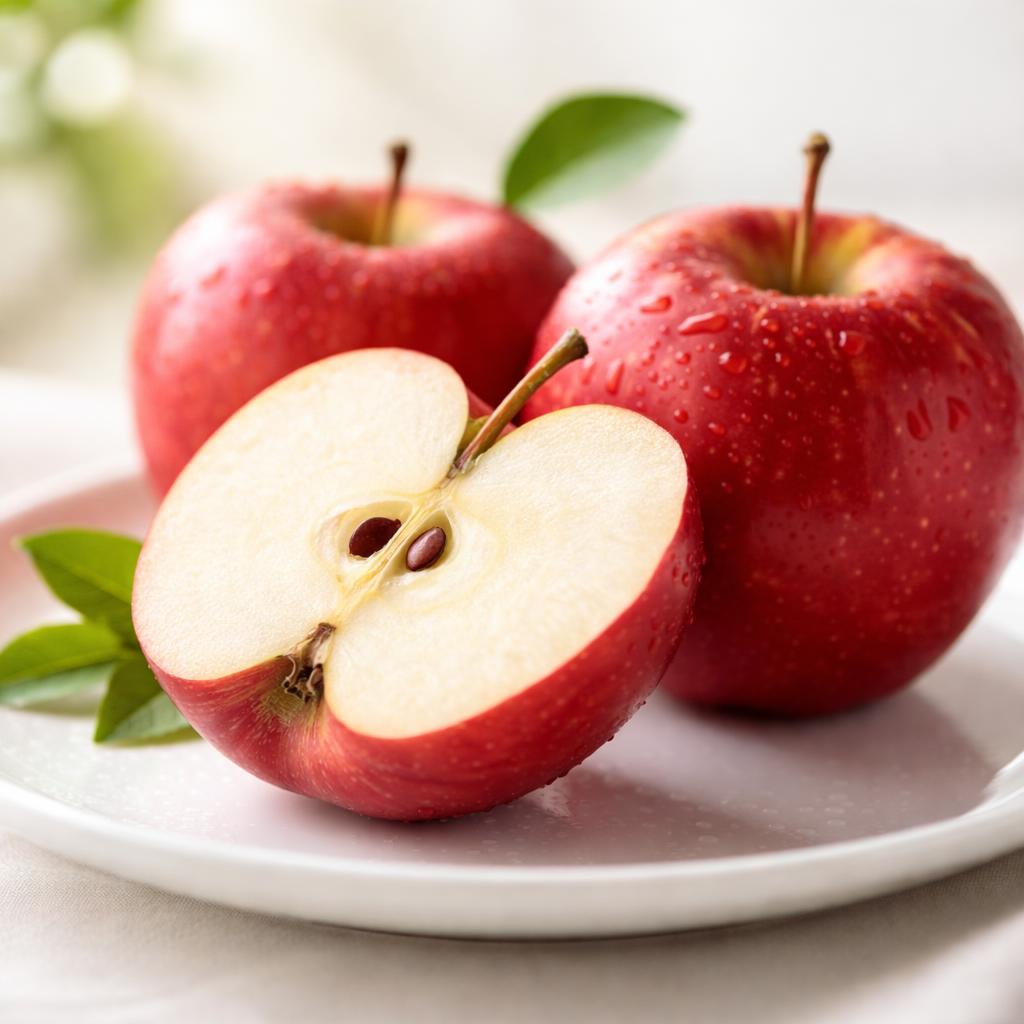
Apple

Breakfast Sausage
🎯 Quick Verdict
Apples and breakfast sausages serve drastically different roles in a diet. Apples are low-calorie, high-fiber fruits that are excellent for snacking and digestive health, while breakfast sausages are protein-rich but higher in calories, fat, and sodium, making them better suited for high-protein diets or as part of a hearty breakfast. Choose based on your dietary goals: light and nutrient-dense vs protein and energy-dense options.

Smart Nutrition Tracking with SnapCalorie

📊 Nutritional Comparison
Macronutrients
| Nutrient | Food 1 | Food 2 | Winner |
|---|---|---|---|
| Calories | 95 | 290 | ✓ |
| Protein | 0.5g | 12g | ✓ |
| Carbs | 25g | 1g | ✓ |
| Fat | 0.3g | 24g | ✓ |
| Fiber | 4.4g | 0g | ✓ |
Vitamins & Minerals
| Nutrient | Food 1 | Food 2 | Winner |
|---|---|---|---|
| Vitamin C | 8.4mg | 0mg | ✓ |
| Vitamin A | 1mcg | 10mcg | ✓ |
| Calcium | 11mg | 55mg | ✓ |
| Iron | 0.2mg | 0.8mg | ✓ |
🏆 Category Winners
Protein
Breakfast sausage has significantly higher protein content (12g vs 0.5g).
Fiber
Apples provide 4.4g of fiber, whereas breakfast sausage contains none.
Calories
Apples are far lower in calories (95 vs 290).
🥗 Diet Compatibility
Keto
Food 1: Not Compatible
Food 2: Compatible
Breakfast sausage is low-carb, while apples are high-carb due to natural sugars.
Vegan
Food 1: Compatible
Food 2: Not Compatible
Apples are plant-based, while breakfast sausage is derived from animal products.
Gluten Free
Food 1: Compatible
Food 2: Compatible
Neither food contains gluten inherently.
Paleo
Food 1: Compatible
Food 2: Compatible
Both are generally acceptable in paleo diets.
Low-Carb
Food 1: Not Compatible
Food 2: Compatible
Apples are high in carbohydrates, whereas breakfast sausage is carb-free.
💪 Health Benefits Comparison
Food 1 Benefits
- High in dietary fiber for improved digestion.
- Rich in vitamin C, supporting immune function.
- Low calorie and hydrating, perfect for weight management.
Food 2 Benefits
- Provides high-quality protein for muscle maintenance and repair.
- Source of iron for supporting red blood cell formation.
- Energy-dense, making it suitable for active individuals or high-calorie diets.
✅ The Bottom Line
Choose apples when looking for a light, healthy snack rich in fiber and nutrients. Opt for breakfast sausage if you need a protein boost or want a more substantial meal component. Be mindful of the calorie and fat content if you're watching weight or heart health.
Choose Food 1 for: Light snacking, digestion support, weight loss
Choose Food 2 for: Protein-rich diets, hearty breakfasts, energy needs


