Apple VS Beetroot
A detailed nutritional comparison
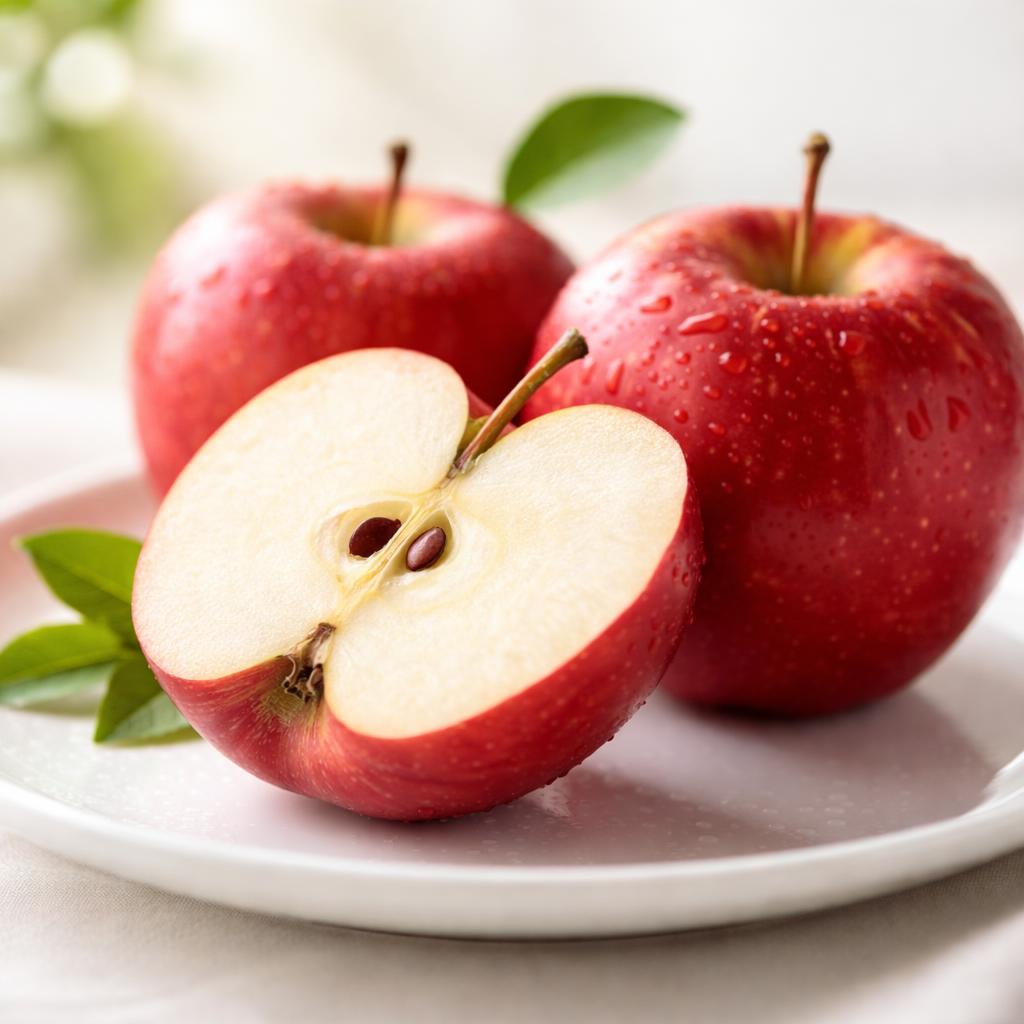
Apple
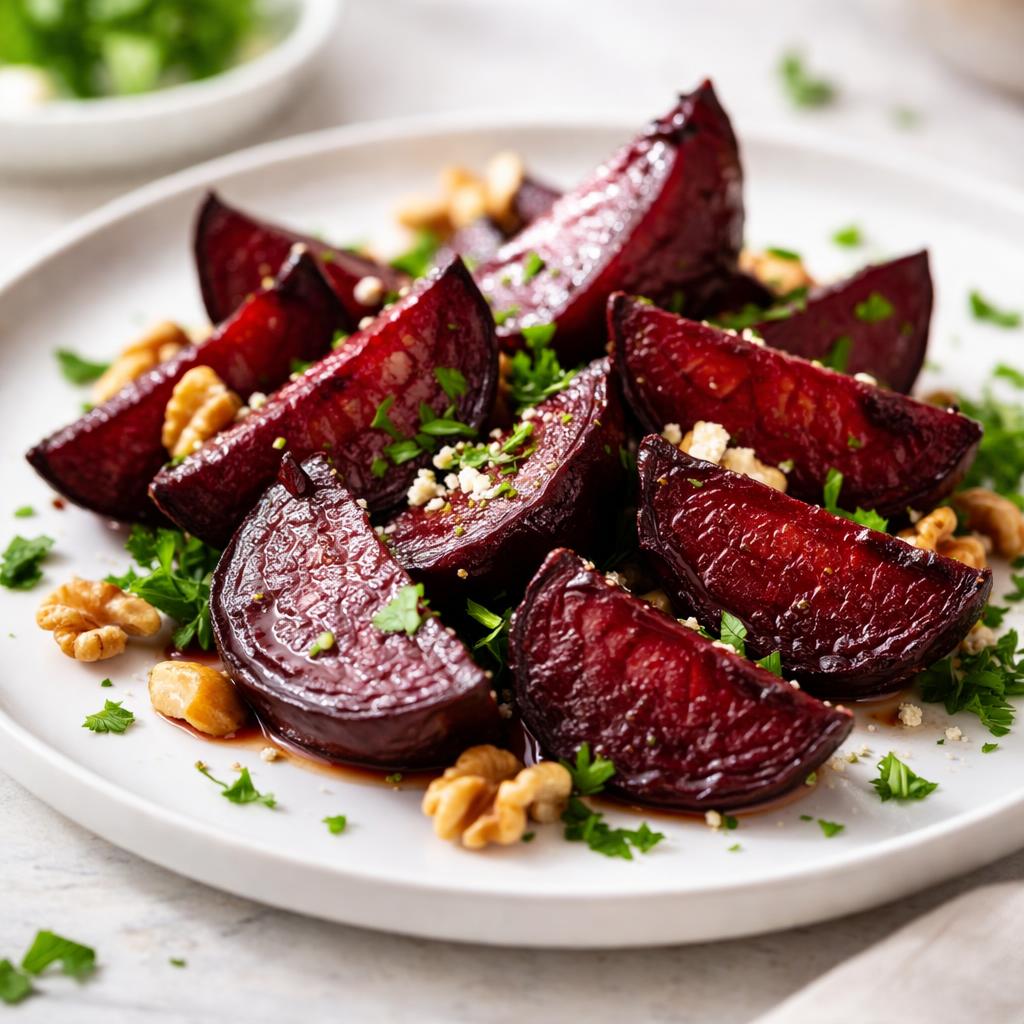
Beetroot
🎯 Quick Verdict
Apples and beetroots both offer unique nutritional benefits. Apples are lower in calories and provide a natural source of sugars for quick energy, while beetroots are higher in protein and fiber and are packed with antioxidants. Apples are ideal for snacking and quick energy boosts, while beetroots are excellent for digestion and heart health support.

Smart Nutrition Tracking with SnapCalorie

📊 Nutritional Comparison
Macronutrients
| Nutrient | Food 1 | Food 2 | Winner |
|---|---|---|---|
| Calories | 95 | 44 | − |
| Protein | 0.5g | 1.7g | − |
| Carbs | 25g | 10g | − |
| Fat | 0.3g | 0.2g | − |
| Fiber | 4.4g | 2.8g | − |
Vitamins & Minerals
| Nutrient | Food 1 | Food 2 | Winner |
|---|---|---|---|
| Vitamin C | 8.4mg | 4mg | − |
| Iron | 0.2mg | 0.8mg | − |
| Potassium | 195mg | 325mg | − |
| Folate | 3mcg | 148mcg | − |
🏆 Category Winners
Protein
Beetroot has over triple the protein content compared to apple.
Fiber
Apple contains 57% more fiber, aiding digestion.
Calories
Beetroot is lower in calories, making it more diet-friendly if calorie reduction is a priority.
Vitamins
Higher in folate, iron, and potassium, beetroot provides essential nutrients for overall health. Apple shines in vitamin C but doesn’t match other vitamin levels in beetroot.
🥗 Diet Compatibility
Keto
Food 1: Not Compatible
Food 2: Limited Compatibility
Both apple and beetroot are relatively high in carbs, but beetroot contains less total carbs.
Vegan
Food 1: Compatible
Food 2: Compatible
Both are plant-based options and suitable for vegan diets.
Gluten Free
Food 1: Compatible
Food 2: Compatible
Both are naturally gluten-free.
Paleo
Food 1: Compatible
Food 2: Compatible
Both foods align with the whole-food focus of the paleo diet.
Low-Carb
Food 1: Not Compatible
Food 2: Limited Compatibility
Neither are low-carb but beetroot has fewer carbs (10g versus apple's 25g).
💪 Health Benefits Comparison
Food 1 Benefits
- Supports digestion due to high fiber content
- Provides natural sugars for quick energy boosts
- High in Vitamin C for immune health
Food 2 Benefits
- Boosts heart health due to potassium content
- Rich in folate, critical for DNA synthesis and cell function
- Contains antioxidants (like betalains) for anti-inflammatory benefits
✅ The Bottom Line
Choose apples for a quick energy boost, digestive health, and snack convenience. Beetroots are better suited for supporting heart health, improving blood flow, and enhancing endurance. Both are nutritious options when incorporated thoughtfully into a balanced diet.
Choose Food 1 for: Quick snack, Vitamin C boost, digestion
Choose Food 2 for: Heart health, endurance support, nutrient density


