Apple VS Beer
A detailed nutritional comparison
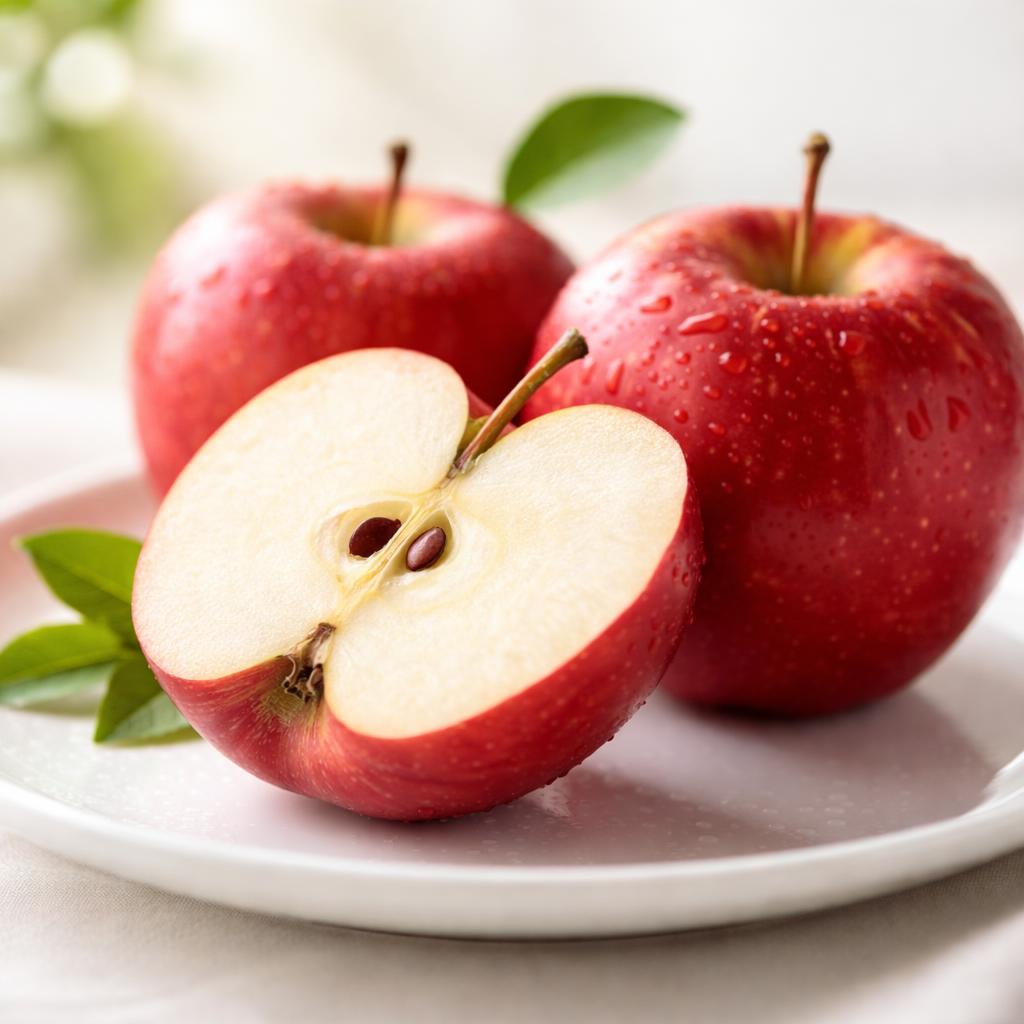
Apple

Beer
🎯 Quick Verdict
Apples and beer offer vastly different nutritional profiles. Apples are rich in fiber, lower in calories, and packed with vitamins, making them a healthier everyday choice. Beer is higher in calories and protein but contains no fiber, offering a more indulgent option for social occasions but less nutritional value overall.

Smart Nutrition Tracking with SnapCalorie

📊 Nutritional Comparison
Macronutrients
| Nutrient | Food 1 | Food 2 | Winner |
|---|---|---|---|
| Calories | 95 | 150 | ✓ |
| Protein | 0.5g | 2g | ✓ |
| Carbs | 25g | 12g | ✓ |
| Fat | 0.3g | 0g | ✓ |
| Fiber | 4.4g | 0g | ✓ |
Vitamins & Minerals
| Nutrient | Food 1 | Food 2 | Winner |
|---|---|---|---|
| Vitamin C | 8.4mg | 0mg | ✓ |
| Potassium | 195mg | 96mg | ✓ |
| Vitamin B6 | 0.041mg | 0.002mg | ✓ |
| Magnesium | 9mg | 14mg | ✓ |
🏆 Category Winners
Protein
Beer has 4x more protein per serving compared to an apple.
Fiber
Apples provide 4.4g of fiber while beer has none.
Calories
Apples have 37% fewer calories than beer.
Vitamins
Apples contain significantly more vitamins, especially vitamin C and potassium.
🥗 Diet Compatibility
Keto
Food 1: Not Compatible
Food 2: Not Compatible
Both are too high in carbs for a typical keto diet.
Vegan
Food 1: Compatible
Food 2: Compatible
Both are plant-based and free of animal products.
Gluten Free
Food 1: Compatible
Food 2: Not Compatible
Apples are naturally gluten-free, while beer often contains gluten.
Paleo
Food 1: Compatible
Food 2: Not Compatible
Apples are allowed on paleo diets, whereas beer is a processed product and prohibited.
Low-Carb
Food 1: Not Compatible
Food 2: Compatible
Beer is lower in carbs (12g vs 25g), but neither qualifies as truly low-carb.
💪 Health Benefits Comparison
Food 1 Benefits
- Rich in fiber, promoting healthy digestion
- Good source of vitamin C for immune health
- Contains antioxidants that support cellular health
- Naturally hydrating with a high water content
Food 2 Benefits
- Contains B vitamins that support energy metabolism
- Provides some magnesium for bone health and muscle function
- Offers small amounts of protein compared to other beverages
- May contribute to relaxation or social bonding in moderation
✅ The Bottom Line
Apples are the better choice for everyday nutrition, offering more vitamins, fiber, and lower calories. Beer, however, can be enjoyed in moderation as an occasional treat or social beverage, but it lacks the nutrient density of apples.
Choose Food 1 for: Healthy snacking, boosting fiber and vitamin intake, weight management
Choose Food 2 for: Social occasions, relaxation, moderate indulgence


