Apple VS Banana Bread
A detailed nutritional comparison
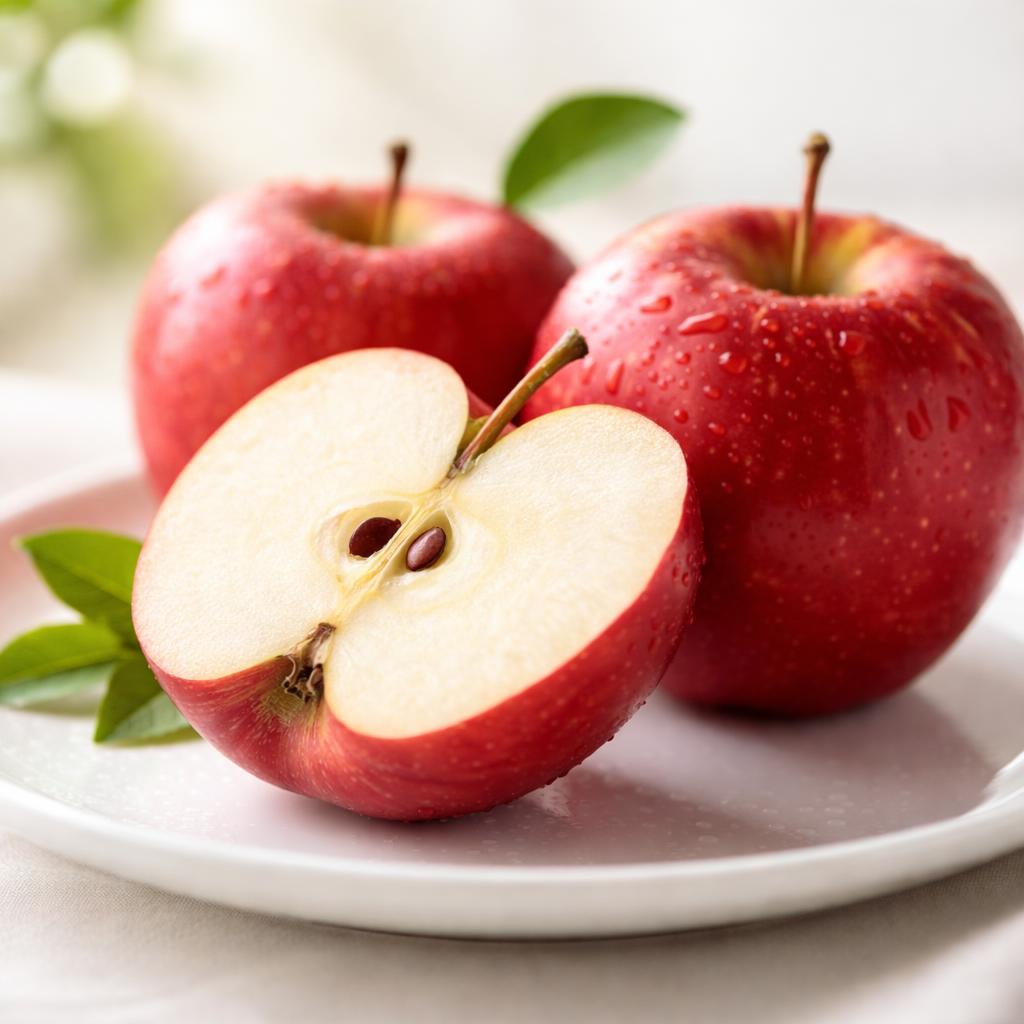
Apple
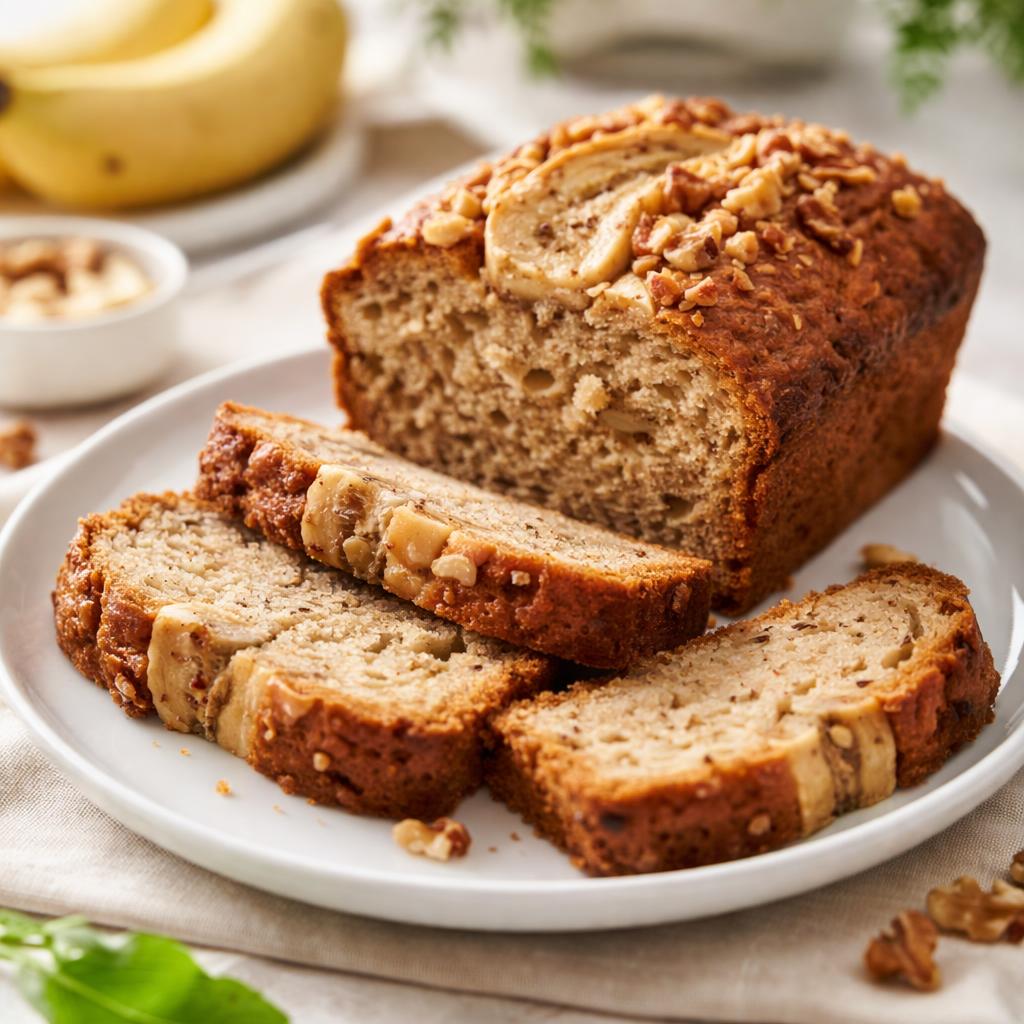
Banana Bread
🎯 Quick Verdict
Apples are a lower-calorie, high-fiber fruit that's great for snacking and hydration. Banana bread, on the other hand, is more calorie-dense and higher in protein and fat, making it a good energy-dense treat or post-workout snack. Each shines in different contexts depending on dietary goals.

Smart Nutrition Tracking with SnapCalorie

📊 Nutritional Comparison
Macronutrients
| Nutrient | Food 1 | Food 2 | Winner |
|---|---|---|---|
| Calories | 95 | 196 | ✓ |
| Protein | 0.5g | 2.5g | ✓ |
| Carbs | 25g | 28g | ✓ |
| Fat | 0.3g | 5.8g | ✓ |
| Fiber | 4.4g | 0.9g | ✓ |
Vitamins & Minerals
| Nutrient | Food 1 | Food 2 | Winner |
|---|---|---|---|
| Vitamin C | 8.4mg | 0.6mg | ✓ |
| Potassium | 195mg | 110mg | ✓ |
| Iron | 0.1mg | 1.1mg | ✓ |
🏆 Category Winners
Protein
Banana bread contains 5 times more protein per serving than an apple.
Fiber
An apple provides 4.4g of fiber compared to 0.9g in banana bread.
Calories
Apples have less than half the calories of banana bread, making them optimal for weight-conscious choices.
Vitamins
Apples are richer in vitamin C and potassium compared to banana bread.
🥗 Diet Compatibility
Keto
Food 1: Not Compatible
Food 2: Not Compatible
Both are high in carbs and not ideal for keto diets.
Vegan
Food 1: Compatible
Food 2: Depends on recipe
Apples are naturally vegan, while banana bread depends on whether eggs, butter, or milk are included.
Gluten Free
Food 1: Compatible
Food 2: Not Compatible
Apples are naturally gluten-free, while banana bread typically uses wheat flour.
Paleo
Food 1: Compatible
Food 2: Not Compatible
Apples fit the paleo guidelines, but banana bread does not due to processed flour and sugar.
Low-Carb
Food 1: Not Compatible
Food 2: Not Compatible
Both foods are carb-heavy and unsuitable for low-carb diets.
💪 Health Benefits Comparison
Food 1 Benefits
- High in fiber for digestive health
- Rich in vitamin C to boost immunity
- Contains water for hydration
- Low-calorie choice for weight management
Food 2 Benefits
- Provides quick energy due to higher carb content
- Contains iron for oxygen transport in the body
- Higher protein content for muscle repair
- Decent source of healthy fats for satiety
✅ The Bottom Line
Choose an apple for a light, nutritious snack that supports hydration, digestion, and immunity with fewer calories. Opt for banana bread if you need a higher-calorie, protein-rich option for sustained energy or muscle recovery post-workout.
Choose Food 1 for: Low-calorie diets, healthy snacking, hydration, high-fiber needs
Choose Food 2 for: Energy boost, post-workout recovery, indulgent treat


