Apple VS Bacon
A detailed nutritional comparison
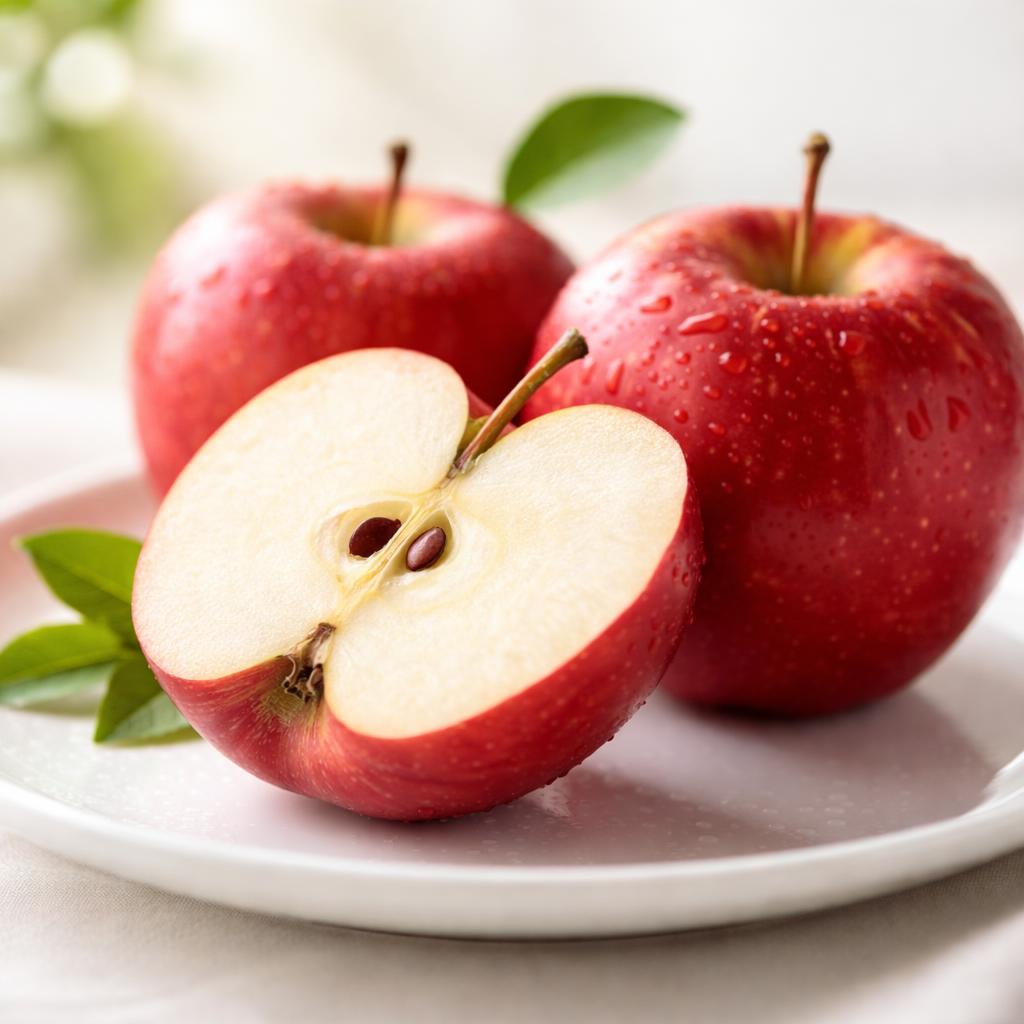
Apple

Bacon
🎯 Quick Verdict
Apples and bacon serve very different purposes nutritionally. Apples are high in fiber, low in calories, and provide vitamins like vitamin C, while bacon is protein-rich but high in fat and calories. Apples are better for general health and weight management, while bacon fits high-fat, low-carb diets like keto and is ideal for a protein boost.

Smart Nutrition Tracking with SnapCalorie

📊 Nutritional Comparison
Macronutrients
| Nutrient | Food 1 | Food 2 | Winner |
|---|---|---|---|
| Calories | 95 | 150 | ✓ |
| Protein | 0.5g | 12g | ✓ |
| Carbs | 25g | 0g | ✓ |
| Fat | 0.3g | 11g | ✓ |
| Fiber | 4.4g | 0g | ✓ |
Vitamins & Minerals
| Nutrient | Food 1 | Food 2 | Winner |
|---|---|---|---|
| Vitamin C | 8.4mg | 0mg | ✓ |
| Vitamin D | 0mcg | 0.4mcg | ✓ |
| Iron | 0.2mg | 0.4mg | ✓ |
| Potassium | 195mg | 180mg | ✓ |
🏆 Category Winners
Protein
Bacon has significantly higher protein at 12g per serving compared to apple's 0.5g.
Fiber
An apple contains 4.4g of fiber, while bacon provides none.
Calories
An apple has fewer calories, making it better for calorie-controlled diets.
Vitamins
Apples are richer in vitamin C and potassium, helpful for immune and heart health.
🥗 Diet Compatibility
Keto
Food 1: Not Compatible
Food 2: Compatible
Bacon fits keto as it is low-carb and high-fat.
Vegan
Food 1: Compatible
Food 2: Not Compatible
Apples are plant-based, while bacon is animal-derived.
Gluten Free
Food 1: Compatible
Food 2: Compatible
Neither food contains gluten.
Paleo
Food 1: Compatible
Food 2: Compatible
Both are whole foods but bacon must be minimally processed to fit Paleo.
Low-Carb
Food 1: Not Compatible
Food 2: Compatible
Apples are high in carbs; bacon is carb-free.
💪 Health Benefits Comparison
Food 1 Benefits
- Rich source of dietary fiber for gut health.
- Provides vitamin C for immune support.
- Low in calories, great for weight management.
- Contains potassium, beneficial for heart function.
Food 2 Benefits
- Lean source of protein, helpful for muscle repair.
- Fits well into high-fat, low-carb diets like keto.
- Provides iron to support red blood cell production.
- Contains vitamin D, aiding in bone health.
✅ The Bottom Line
Apples are excellent for fiber, weight loss, and overall health due to their low calorie and nutrient-dense profile. Bacon is better for protein needs, keto diets, and those needing a calorie-dense option. Choose apples for snacking and general good health, and bacon for protein-rich meals or low-carb lifestyles.
Choose Food 1 for: Weight management, vegan diets, snack for immune support
Choose Food 2 for: High-protein, keto diets, savory breakfast or energy boost


