Apple VS Arugula
A detailed nutritional comparison
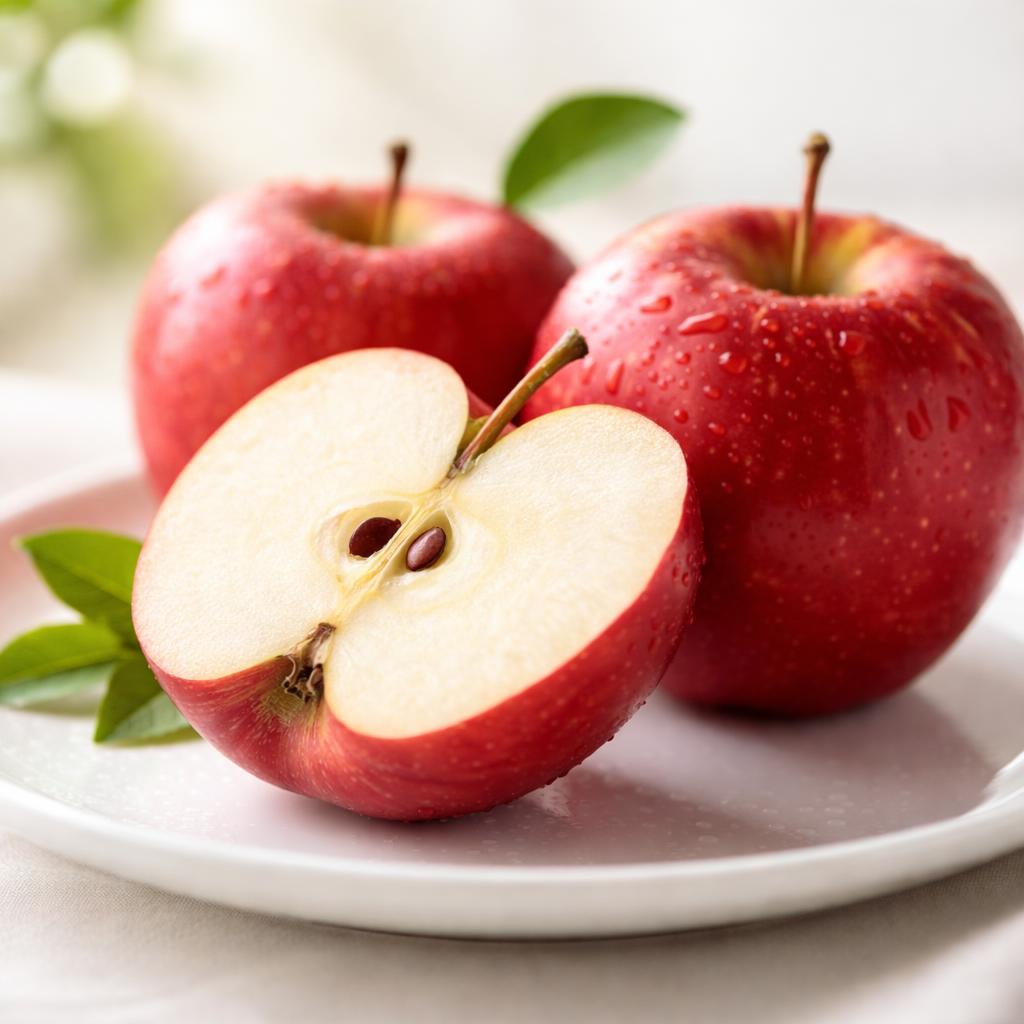
Apple
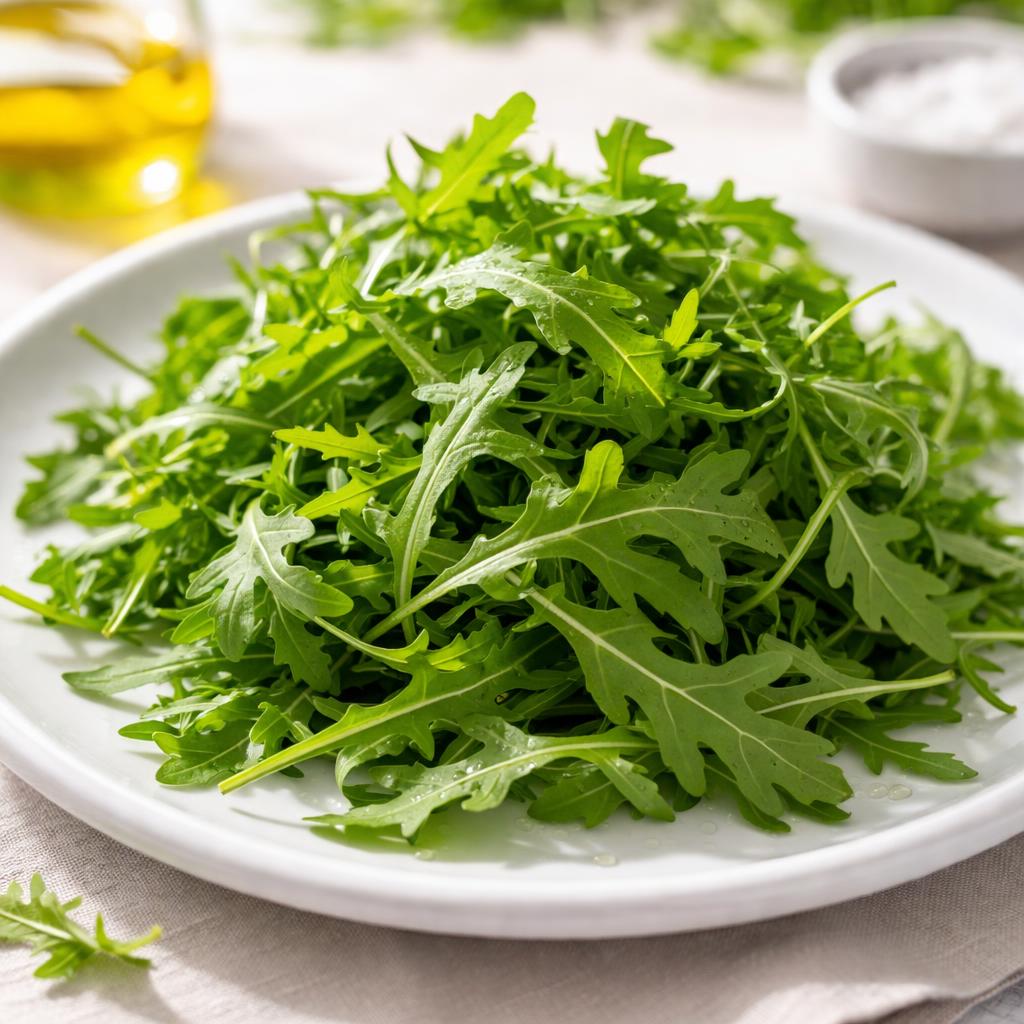
Arugula
🎯 Quick Verdict
Arugula is a low-calorie, nutrient-dense leafy green that excels in protein and vitamin content, making it more beneficial overall. Apples, however, shine in dietary fiber and provide natural sugars for quick energy. Both foods are healthy options depending on dietary goals and preferences.

Smart Nutrition Tracking with SnapCalorie

📊 Nutritional Comparison
Macronutrients
| Nutrient | Food 1 | Food 2 | Winner |
|---|---|---|---|
| Calories | 95 | 25 | ✓ |
| Protein | 0.5g | 2.5g | ✓ |
| Carbs | 25g | 4g | ✓ |
| Fat | 0.3g | 0.7g | ✓ |
| Fiber | 4.4g | 1.6g | ✓ |
Vitamins & Minerals
| Nutrient | Food 1 | Food 2 | Winner |
|---|---|---|---|
| Vitamin A | 3mcg | 142mcg | ✓ |
| Vitamin C | 8.4mg | 15mg | ✓ |
| Calcium | 6mg | 32mg | ✓ |
| Iron | 0.2mg | 0.7mg | ✓ |
🏆 Category Winners
Protein
Arugula contains 400% more protein per serving than apple.
Fiber
Apple provides nearly three times more fiber for better digestion.
Calories
Arugula contains only 25 calories per serving, compared to 95 in an apple.
Vitamins
Arugula is richer in Vitamins A, C, Calcium, and Iron, boosting overall micronutrient intake.
🥗 Diet Compatibility
Keto
Food 1: Not Compatible
Food 2: Compatible
Arugula is low-carb and ideal for keto, while apples are high-carb due to natural sugars.
Vegan
Food 1: Compatible
Food 2: Compatible
Both foods are plant-based and vegan-friendly.
Gluten Free
Food 1: Compatible
Food 2: Compatible
Neither food contains gluten.
Paleo
Food 1: Compatible
Food 2: Compatible
Both align with paleo principles as whole, natural foods.
Low Carb
Food 1: Not Compatible
Food 2: Compatible
Arugula is low in total carbs, while apples are relatively high.
💪 Health Benefits Comparison
Food 1 Benefits
- High in fiber for digestive health
- Rich in natural sugars for quick energy
- Contains antioxidants that promote heart health
- Provides Vitamin C to support immune function
Food 2 Benefits
- Low in calories and nutrient-dense for healthy weight management
- Rich in Vitamin A for vision and skin health
- Good source of Vitamin C to boost immunity
- Contains calcium and iron for bone and blood health
✅ The Bottom Line
Choose arugula for a nutrient-dense, low-calorie option ideal for weight management, keto diets, and boosting vitamin intake. Opt for apples when you need fiber, energy from natural sugars, or a portable snack perfect for on-the-go. Both are excellent choices depending on specific dietary needs.
Choose Food 1 for: Fiber-focused diets, quick energy boosts, portable snacks
Choose Food 2 for: Low-calorie diets, nutrient density, keto and paleo meals


