Apple VS Almond
A detailed nutritional comparison
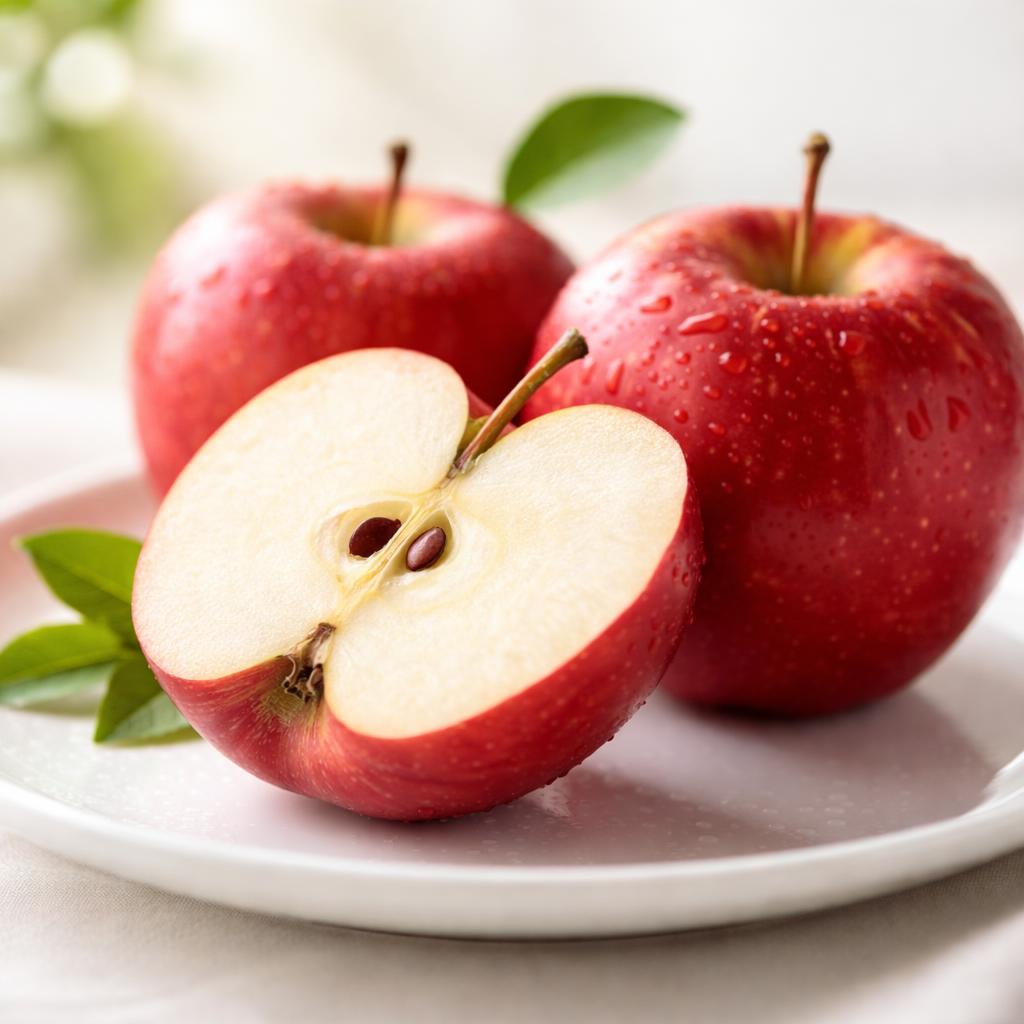
Apple
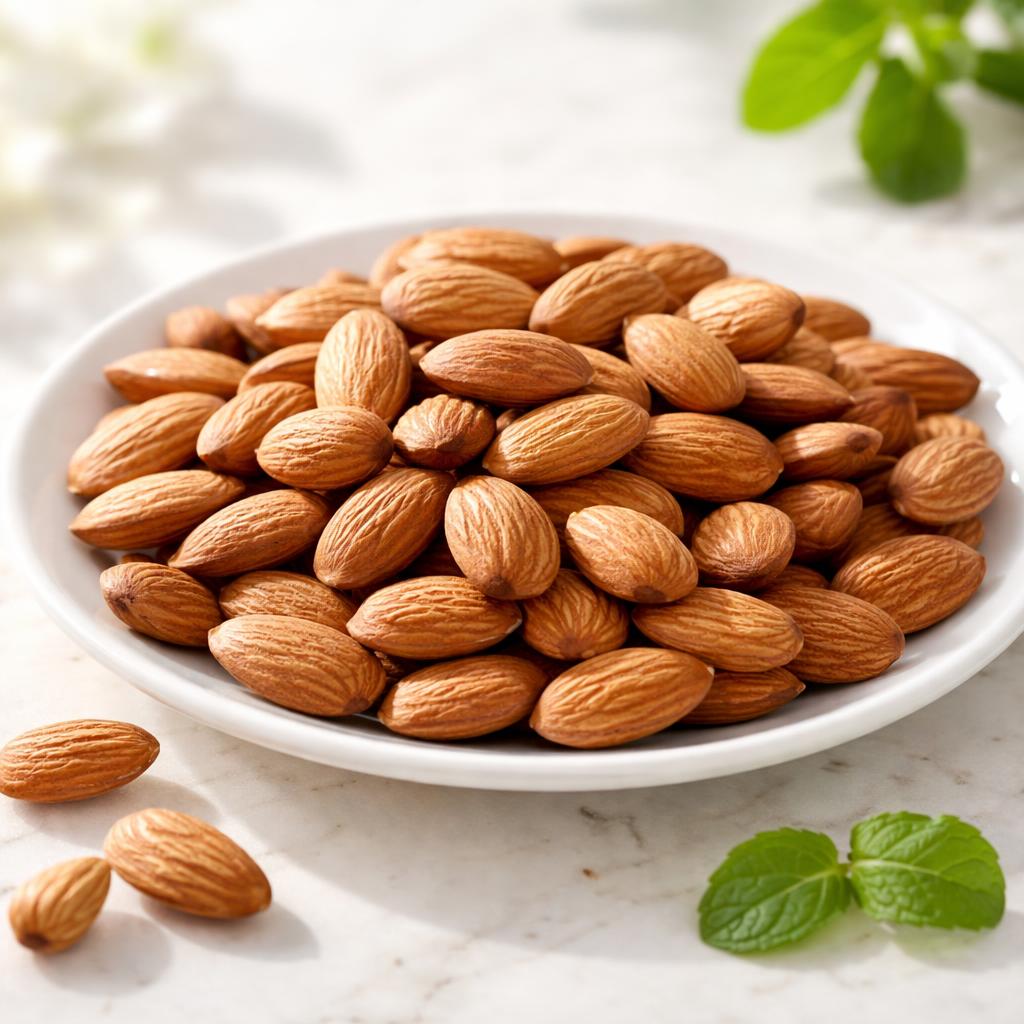
Almond
🎯 Quick Verdict
Apples and almonds serve different dietary purposes. Apples are lower in calories and better for weight loss, while almonds provide much more protein and fiber, making them a great option for satiety and a nutrient-dense snack. Apples are ideal as a refreshing, hydrating snack, while almonds excel for those needing sustained energy and healthy fats.

Smart Nutrition Tracking with SnapCalorie

📊 Nutritional Comparison
Macronutrients
| Nutrient | Food 1 | Food 2 | Winner |
|---|---|---|---|
| Calories | 95 | 164 | ✓ |
| Protein | 0.5g | 6g | ✓ |
| Carbs | 25g | 6g | ✓ |
| Fat | 0.3g | 14g | ✓ |
| Fiber | 4g | 3.5g | ✓ |
Vitamins & Minerals
| Nutrient | Food 1 | Food 2 | Winner |
|---|---|---|---|
| Vitamin E | 0.18mg | 7.3mg | ✓ |
| Vitamin C | 8.4mg | 0mg | ✓ |
| Calcium | 6mg | 76mg | ✓ |
| Iron | 0.12mg | 1.05mg | ✓ |
🏆 Category Winners
Protein
Almonds provide 6g of protein, compared to apples' negligible 0.5g per serving.
Fiber
Apples provide a slightly higher fiber content (4g vs 3.5g).
Calories
Apples contain significantly fewer calories compared to almonds (95 vs 164).
Vitamins
Almonds excel in Vitamin E and calcium, while apples shine in Vitamin C.
🥗 Diet Compatibility
Keto
Food 1: Not Compatible
Food 2: Compatible
Almonds are low-carb and high-fat, suitable for keto diets. Apples are high-carb.
Vegan
Food 1: Compatible
Food 2: Compatible
Both foods are plant-based and vegan-friendly.
Gluten Free
Food 1: Compatible
Food 2: Compatible
Neither apples nor almonds contain gluten.
Paleo
Food 1: Compatible
Food 2: Compatible
Both are whole, unprocessed foods suitable for paleo diets.
Low-Carb
Food 1: Not Compatible
Food 2: Compatible
Apples are high in carbs, while almonds are low-carb, making them ideal for a low-carb diet.
💪 Health Benefits Comparison
Food 1 Benefits
- Rich in Vitamin C for immune support.
- Provides natural hydration due to high water content.
- Low calorie content aids in weight management.
- Source of antioxidants that promote overall health.
Food 2 Benefits
- High protein content supports muscle repair and satiety.
- Rich in healthy fats for heart health and brain function.
- Excellent source of Vitamin E and calcium for skin and bone health.
- Good source of magnesium, beneficial for energy and nerve function.
✅ The Bottom Line
Choose apples if you need a low-calorie, hydrating snack or a source of quick energy. Opt for almonds if you want a nutrient-dense, high-protein snack for sustained energy and heart health support.
Choose Food 1 for: Weight loss, hydration, immunity boosts
Choose Food 2 for: Sustained energy, muscle repair, heart health


