Ziploc Bag Omelet Eggs in a Hurry

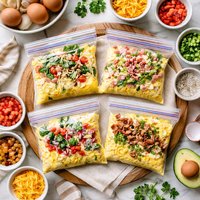
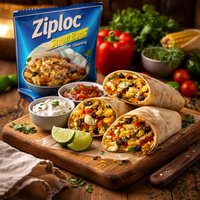
Whip up a delicious breakfast in record time with this ingenious Ziploc Bag Omelet recipe! Perfect for busy mornings or meal prep, this no-mess method lets you prepare a custom, fluffy omelet using just a BPA-free freezer bag and boiling water. Simply mix large eggs with your favorite fillings—like shredded cheese, diced bell peppers, onions, and savory ham or bacon—directly in the bag, then let it cook to perfection. With just 5 minutes of prep and 12 minutes of cooking, you’ll have a hot, flavorful omelet with minimal cleanup. Ideal for camping trips or hectic weekdays, this quick and easy recipe is the ultimate hack for breakfast lovers.

Smart Nutrition Tracking with SnapCalorie

Explore More

Recipe Information
Ingredients
- 2 pcs Large eggs
- 0.25 cup Shredded cheese
- 2 tbsp Diced bell peppers
- 2 tbsp Diced onions
- 2 tbsp Diced cooked ham or bacon
- 0.25 tsp Salt
- 0.125 tsp Black pepper
- 1 bag Ziploc-style freezer bag (quart-size, BPA-free)
- (as needed for cooking) Boiling water
Instructions
Fill a medium-sized pot about halfway with water and bring it to a rolling boil.
Crack the eggs into a BPA-free quart-sized Ziploc freezer bag. Seal the bag and knead the eggs with your hands to mix them.
Open the bag and add shredded cheese, diced bell peppers, onions, ham or bacon, salt, and black pepper. Seal the bag again, pressing out as much air as possible, and knead the mixture to evenly combine the ingredients.
Carefully place the sealed bag into the pot of boiling water, making sure it's fully submerged. Use a pair of tongs to adjust the position if needed.
Allow the omelet to cook for approximately 12 minutes, or until the eggs are fully set and cooked through.
Using tongs, carefully remove the bag from the boiling water. Let it cool for a minute or two before opening.
Open the bag, and slide the cooked omelet onto a plate. Serve immediately and enjoy!
Nutrition Facts
Calories |
333 | ||
|---|---|---|---|
% Daily Value* |
|||
| Total Fat | 24.1 g | 31% | |
| Saturated Fat | 10.1 g | 50% | |
| Polyunsaturated Fat | 0.0 g | ||
| Cholesterol | 411 mg | 137% | |
| Sodium | 1128 mg | 49% | |
| Total Carbohydrate | 5.3 g | 2% | |
| Dietary Fiber | 0.9 g | 3% | |
| Total Sugars | 3.1 g | ||
| Protein | 24.1 g | 48% | |
| Vitamin D | 2.2 mcg | 11% | |
| Calcium | 258 mg | 20% | |
| Iron | 2.2 mg | 12% | |
| Potassium | 296 mg | 6% | |
*The % Daily Value tells you how much a nutrient in a serving of food contributes to a daily diet. 2,000 calories a day is used for general nutrition advice.


