Wonton Salad Cups
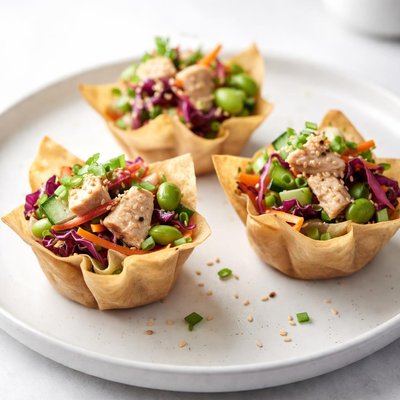
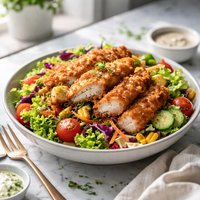
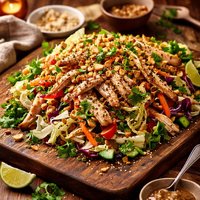
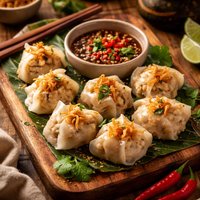
Crisp, colorful, and bursting with flavor, Wonton Salad Cups are the perfect blend of freshness and crunch, making them a standout appetizer or party snack. These edible salad cups are crafted from golden, baked wonton wrappers molded into mini bowls that hold a vibrant mix of shredded chicken, crunchy carrots, and red cabbage. Tossed in a zesty soy-sesame dressing with a hint of honey, this dish offers a delightful balance of savory, tangy, and slightly sweet flavors. Garnished with chopped cilantro and sesame seeds, these bite-sized delights are as visually appealing as they are delicious. Ready in just 25 minutes, these quick and easy wonton salad cups are perfect for entertaining or enjoying as a light, refreshing treat.
Train Anywhere. No Excuses.
Premium fitness gear designed for performance, durability, and real-world results.
From home to gym to on-the-go
Recipe Information
Ingredients
- 12 pieces Wonton wrappers
- 1 tablespoon Olive oil
- 1 cup Cooked chicken breast, shredded
- 1 cup Shredded carrot
- 1 cup Shredded red cabbage
- 2 tablespoons Chopped green onions
- 2 tablespoons Cilantro, chopped
- 2 tablespoons Soy sauce
- 1.5 tablespoons Rice vinegar
- 1 tablespoon Honey
- 1 teaspoon Sesame oil
- 1 teaspoon Sesame seeds
- 0.25 teaspoon Salt
- 0.25 teaspoon Pepper
Instructions
Preheat the oven to 350°F (175°C).
Lightly brush both sides of the wonton wrappers with olive oil.
Press each wonton wrapper into the cups of a standard muffin tin to form a small cup shape.
Bake the wonton wrappers for 8-10 minutes, or until golden brown and crisp. Remove from the oven and let cool in the muffin tin.
In a large mixing bowl, combine the shredded chicken breast, shredded carrot, shredded red cabbage, chopped green onions, and chopped cilantro.
In a small bowl, whisk together soy sauce, rice vinegar, honey, sesame oil, sesame seeds, salt, and pepper to make the dressing.
Pour the dressing over the salad mixture and toss gently to coat evenly.
Spoon the salad mixture into the baked wonton cups, filling each one generously.
Serve immediately and enjoy your crisp, flavorful wonton salad cups!
Nutrition Facts
Calories |
88 | ||
|---|---|---|---|
% Daily Value* |
|||
| Total Fat | 3.3 g | 4% | |
| Saturated Fat | 0.6 g | 3% | |
| Polyunsaturated Fat | 0.6 g | ||
| Cholesterol | 17 mg | 6% | |
| Sodium | 189 mg | 8% | |
| Total Carbohydrate | 7.4 g | 3% | |
| Dietary Fiber | 0.7 g | 3% | |
| Total Sugars | 2.4 g | ||
| Protein | 7.3 g | 15% | |
| Vitamin D | 0.0 mcg | 0% | |
| Calcium | 13 mg | 1% | |
| Iron | 0.6 mg | 3% | |
| Potassium | 121 mg | 3% | |
*The % Daily Value tells you how much a nutrient in a serving of food contributes to a daily diet. 2,000 calories a day is used for general nutrition advice.



