Whole30 Simple Baked Acorn Squash
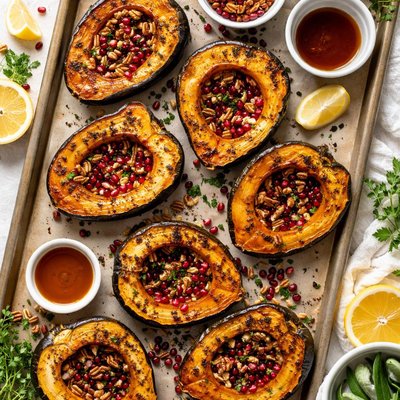
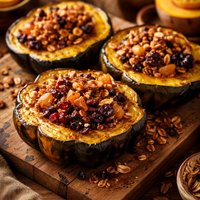
Elevate your side dish game with this Whole30 Simple Baked Acorn Squash recipe, a perfect combination of wholesome ingredients and bold, comforting flavors. Featuring tender, caramelized acorn squash seasoned with olive oil, sea salt, black pepper, garlic powder, and a hint of cinnamon, this dish is further enhanced with the fresh, aromatic touch of thyme. Ready in just 50 minutes with minimal prep, it’s the ideal addition to any Whole30 menu or seasonal meal plan. Serve these golden squash halves as a warm, nutrient-packed side dish or as a standalone plant-based delight. Perfectly simple yet full of flavor, this recipe will become a go-to for anyone looking for a paleo, gluten-free, and Whole30-approved option.
Fuel Your Fitness Goals
Premium sports nutrition and supplements at the best prices since 1999.
Over 25 years of sports nutrition excellence
Recipe Information
Ingredients
- 2 acorn squashes
- 2 tablespoons olive oil
- 1 teaspoon sea salt
- 0.5 teaspoon black pepper
- 0.5 teaspoon ground cinnamon
- 0.5 teaspoon garlic powder
- 1 tablespoon fresh thyme
Instructions
Preheat your oven to 400°F (200°C).
Wash and dry the acorn squashes. Carefully cut each squash in half lengthwise and scoop out the seeds with a spoon.
Place the squash halves, cut side up, onto a baking sheet lined with parchment paper.
Brush the inside of each squash half with olive oil using a pastry brush, ensuring even coverage.
Sprinkle each half with sea salt, black pepper, ground cinnamon, and garlic powder for added flavor.
Strip the fresh thyme leaves from their stems and scatter them evenly over the squash halves.
Bake the squash in the preheated oven for 35 to 40 minutes, or until the flesh is tender when pierced with a fork and edges are caramelized.
Once done, remove from the oven and let them cool for a few minutes before serving.
Serve warm, as is, or alongside your favorite Whole30 compliant main course.
Nutrition Facts
Calories |
91 | ||
|---|---|---|---|
% Daily Value* |
|||
| Total Fat | 6.8 g | 9% | |
| Saturated Fat | 1.0 g | 5% | |
| Polyunsaturated Fat | 0.0 g | ||
| Cholesterol | 0 mg | 0% | |
| Sodium | 487 mg | 21% | |
| Total Carbohydrate | 8.3 g | 3% | |
| Dietary Fiber | 1.5 g | 5% | |
| Total Sugars | 0.0 g | ||
| Protein | 0.7 g | 1% | |
| Vitamin D | 0.0 mcg | 0% | |
| Calcium | 31 mg | 2% | |
| Iron | 0.6 mg | 3% | |
| Potassium | 255 mg | 5% | |
*The % Daily Value tells you how much a nutrient in a serving of food contributes to a daily diet. 2,000 calories a day is used for general nutrition advice.



