Whole30 Microwave Bacon Perfection
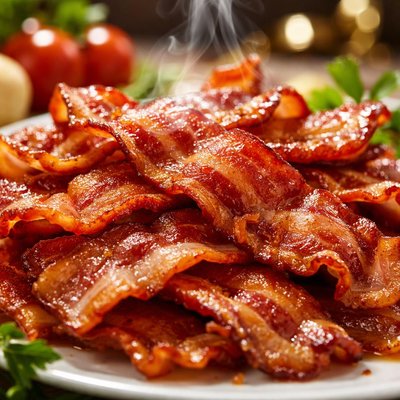
Craving crispy, delicious bacon that’s Whole30-compliant and ready in no time? Enter *Whole30 Microwave Bacon Perfection*—the ultimate fast and easy solution for busy mornings or a quick protein-packed snack. In just under 7 minutes, using only Whole30-compliant bacon, a microwave, and paper towels, you can achieve perfectly crisp bacon with minimal effort and cleanup. The magic lies in layering paper towels to absorb excess grease and prevent splatters, ensuring a mess-free process and irresistibly crunchy results. Ideal for Whole30 participants and bacon lovers alike, this recipe delivers all the indulgence with none of the hassle. Serve it alongside eggs, veggies, or simply enjoy it straight from the plate for a guilt-free treat!
Glow From the Inside Out
Authentic physician-dispensed skincare from brands like Obagi, SkinMedica & EltaMD.
Trusted by dermatologists, loved by your skin

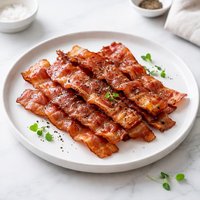

Recipe Information
Ingredients
- 4 slices Whole30-compliant bacon
- 3 sheets Paper towels
Instructions
Place a microwave-safe plate on a flat surface.
Layer 2 sheets of paper towels on the microwave-safe plate to absorb excess grease.
Place 4 slices of Whole30-compliant bacon in a single layer on top of the paper towels, ensuring that the slices do not overlap.
Cover the bacon with 1 more sheet of paper towel to prevent splattering and to aid in crisping.
Place the plate in the microwave.
Set the microwave to high power.
Cook the bacon for 4-5 minutes. Start checking for desired doneness at around 4 minutes, as microwave cooking times can vary based on the wattage of your microwave.
Using oven mitts or a towel, carefully remove the plate from the microwave—it will be hot.
Allow the bacon to cool for 1 minute, as it will continue to crisp.
Transfer the bacon to a clean serving plate and enjoy immediately.
Nutrition Facts
Calories |
69 | ||
|---|---|---|---|
% Daily Value* |
|||
| Total Fat | 6.0 g | 8% | |
| Saturated Fat | 2.1 g | 11% | |
| Polyunsaturated Fat | 0.0 g | ||
| Cholesterol | 13 mg | 4% | |
| Sodium | 274 mg | 12% | |
| Total Carbohydrate | 0.0 g | 0% | |
| Dietary Fiber | 0.0 g | 0% | |
| Total Sugars | 0.0 g | ||
| Protein | 4.3 g | 9% | |
| Vitamin D | 0.0 mcg | 0% | |
| Calcium | 0 mg | 0% | |
| Iron | 0.2 mg | 1% | |
| Potassium | 86 mg | 2% | |
*The % Daily Value tells you how much a nutrient in a serving of food contributes to a daily diet. 2,000 calories a day is used for general nutrition advice.



