Whole30 Crispy Roasted Chickpeas
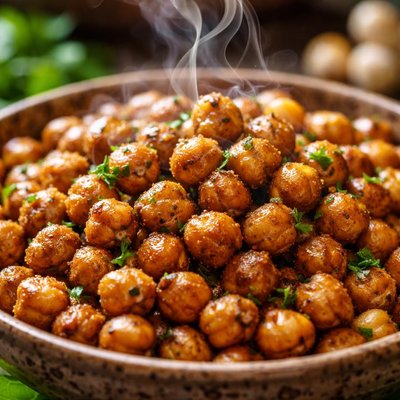
Add a satisfying crunch to your snack lineup with these Whole30 Crispy Roasted Chickpeas! Packed with plant-based protein and seasoned to perfection with garlic powder, smoked paprika, and a hint of sea salt, this simple yet addictive recipe is a healthy alternative to traditional chips and crackers. In just under an hour, you can transform humble canned chickpeas into a golden, crispy treat that's perfect for mindful snacking or adding texture to salads and grain bowls. With minimal prep and pantry-staple ingredients, these oven-baked chickpeas are Whole30-compliant, vegan, and gluten-free, making them a versatile and guilt-free snack for anyone following a clean-eating lifestyle.
Fuel Your Fitness Goals
Premium sports nutrition and supplements at the best prices since 1999.
Over 25 years of sports nutrition excellence
Recipe Information
Ingredients
- 15 oz canned chickpeas
- 1 tablespoon olive oil
- 1 teaspoon garlic powder
- 0.5 teaspoon smoked paprika
- 0.5 teaspoon sea salt
- 0.25 teaspoon black pepper
Instructions
Preheat your oven to 400°F (200°C).
Drain and rinse the canned chickpeas under cold water to remove excess sodium and preservatives.
Spread the chickpeas out on a clean kitchen towel and pat them dry thoroughly to ensure they crisp up well in the oven.
Transfer the chickpeas to a mixing bowl, and add olive oil, garlic powder, smoked paprika, sea salt, and black pepper.
Toss the chickpeas until they are evenly coated with the oil and spices.
Spread the chickpeas in a single layer on a baking sheet lined with parchment paper.
Roast the chickpeas in the preheated oven for 35-40 minutes, shaking the baking sheet halfway through the cooking time to ensure even crisping.
Check for crispness; they should be golden brown and crunchy. If needed, roast for an additional 5-10 minutes.
Let the roasted chickpeas cool completely before serving to maintain their texture.
Nutrition Facts
Calories |
160 | ||
|---|---|---|---|
% Daily Value* |
|||
| Total Fat | 5.2 g | 7% | |
| Saturated Fat | 0.7 g | 3% | |
| Polyunsaturated Fat | 0.0 g | ||
| Cholesterol | 0 mg | 0% | |
| Sodium | 552 mg | 24% | |
| Total Carbohydrate | 20.7 g | 8% | |
| Dietary Fiber | 5.8 g | 21% | |
| Total Sugars | 3.6 g | ||
| Protein | 6.8 g | 14% | |
| Vitamin D | 0.0 mcg | 0% | |
| Calcium | 41 mg | 3% | |
| Iron | 2.2 mg | 12% | |
| Potassium | 193 mg | 4% | |
*The % Daily Value tells you how much a nutrient in a serving of food contributes to a daily diet. 2,000 calories a day is used for general nutrition advice.



