Whipped Cauliflower Dijon
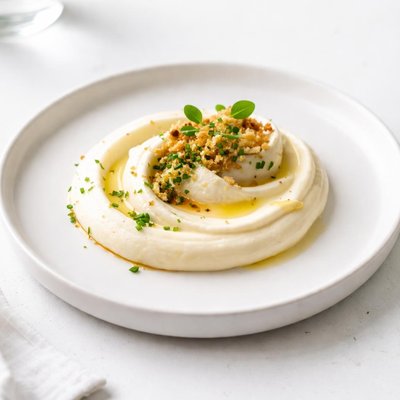
Transform ordinary cauliflower into a velvety, flavor-packed side dish with this Whipped Cauliflower Dijon recipe. Perfectly tender cauliflower florets and garlic are blended with creamy butter, rich heavy cream, and tangy Dijon mustard to create a luxurious purée that’s as comforting as mashed potatoes but lighter and more nutritious. Finished with a hint of black pepper and optional fresh parsley, this dish is ideal for complementing roasted meats, grilled vegetables, or serving as a sophisticated alternative to traditional sides. Ready in just 30 minutes and perfect for weeknight meals or elegant entertaining, this low-carb and gluten-free recipe is sure to become a table favorite.

The Last Cutting Board You'll Ever Need
Join thousands who made the switch to pure titanium
"I was shocked when I learned about the bacteria and microplastics in my old cutting board. Switching to Titan Haus was the best decision—I'll never go back!"




Recipe Information
Ingredients
- 1 medium head Cauliflower
- 2 cloves Garlic
- 2 tablespoons Unsalted butter
- 1 tablespoon Dijon mustard
- 2 tablespoons Heavy cream
- 0.5 teaspoons Salt
- 0.25 teaspoons Black pepper
- 1 tablespoon Fresh parsley (optional, for garnish)
Instructions
Remove the leaves and stem from the cauliflower and cut it into florets.
Peel the garlic cloves and set aside.
Bring a large pot of water to a boil and add a pinch of salt.
Add the cauliflower florets and garlic cloves to the boiling water and cook for 10-12 minutes, or until the cauliflower is very tender.
Drain the cauliflower and garlic thoroughly and let them sit in the colander for 1-2 minutes to release excess moisture.
Transfer the cooked cauliflower and garlic to a food processor or blender.
Add the unsalted butter, Dijon mustard, heavy cream, salt, and black pepper to the food processor.
Blend the mixture until smooth and creamy, scraping down the sides as needed. Adjust seasoning with additional salt and pepper if desired.
Spoon the whipped cauliflower into a serving dish.
Garnish with freshly chopped parsley, if using, and serve warm.
Nutrition Facts
Calories |
145 | ||
|---|---|---|---|
% Daily Value* |
|||
| Total Fat | 9.6 g | 12% | |
| Saturated Fat | 5.4 g | 27% | |
| Polyunsaturated Fat | 0.0 g | ||
| Cholesterol | 23 mg | 8% | |
| Sodium | 675 mg | 29% | |
| Total Carbohydrate | 12.3 g | 4% | |
| Dietary Fiber | 4.9 g | 18% | |
| Total Sugars | 4.4 g | ||
| Protein | 4.7 g | 9% | |
| Vitamin D | 0.1 mcg | 0% | |
| Calcium | 58 mg | 4% | |
| Iron | 1.2 mg | 7% | |
| Potassium | 717 mg | 15% | |
*The % Daily Value tells you how much a nutrient in a serving of food contributes to a daily diet. 2,000 calories a day is used for general nutrition advice.



