Wasabi Three Bean Salad
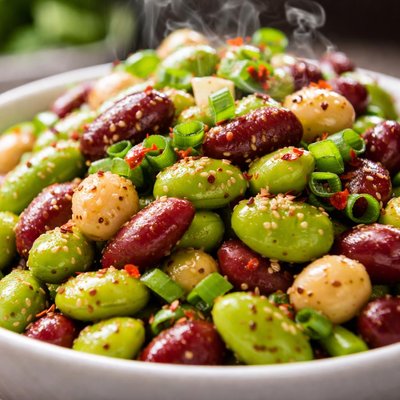
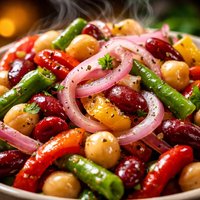
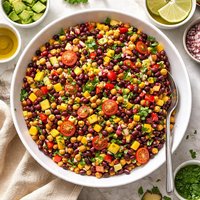
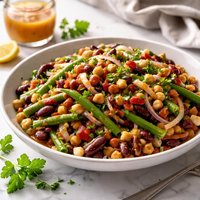
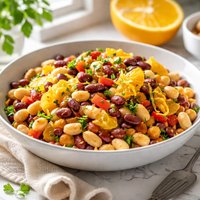
Meet your new favorite summer side dish: Wasabi Three Bean Salad! This vibrant recipe combines tender-crisp green beans, protein-packed chickpeas, and hearty kidney beans in a bold, flavor-forward dressing infused with zesty wasabi paste, tangy rice vinegar, and a hint of sweetness from honey. Enhanced by crunchy red onions, fresh parsley, and a drizzle of nutty sesame oil, this salad has just the right balance of heat, umami, and freshness. Ready in just 20 minutes, it’s the perfect quick and healthy option for picnics, potlucks, or as a satisfying snack. Garnished with toasted sesame seeds, this Asian-inspired twist on a three bean salad is as visually appealing as it is delicious. Enjoy it chilled for maximum freshness and flavor!
Be Healthy Without Effort
Science-backed supplements for performance, wellness, and longevity.
Optimize your body chemistry naturally


Recipe Information
Ingredients
- 200 grams green beans
- 1 cup canned chickpeas, rinsed and drained
- 1 cup canned kidney beans, rinsed and drained
- 0.5 red onion, thinly sliced
- 2 tablespoons fresh parsley, chopped
- 1 teaspoon wasabi paste
- 2 tablespoons soy sauce
- 1 tablespoon rice vinegar
- 1 teaspoon honey
- 1 tablespoon sesame oil
- 0.5 teaspoon salt
- 0.25 teaspoon black pepper
- 1 teaspoon sesame seeds (optional, for garnish)
Instructions
Trim the ends of the green beans and cut them into bite-sized pieces.
Bring a pot of water to a boil and blanch the green beans for 3 minutes until they are tender-crisp. Drain and place them in an ice bath to stop the cooking process. Once cold, drain again and set aside.
In a large mixing bowl, combine the blanched green beans, chickpeas, kidney beans, red onion, and parsley.
In a small bowl, whisk together the wasabi paste, soy sauce, rice vinegar, honey, sesame oil, salt, and black pepper to create the dressing.
Pour the dressing over the bean mixture and toss until everything is evenly coated.
Taste and adjust seasoning if necessary.
Transfer the salad to a serving dish and garnish with sesame seeds, if desired.
Serve immediately or refrigerate for up to 2 hours to allow the flavors to meld.
Nutrition Facts
Calories |
196 | ||
|---|---|---|---|
% Daily Value* |
|||
| Total Fat | 5.7 g | 7% | |
| Saturated Fat | 0.8 g | 4% | |
| Polyunsaturated Fat | 1.6 g | ||
| Cholesterol | 0 mg | 0% | |
| Sodium | 758 mg | 33% | |
| Total Carbohydrate | 29.3 g | 11% | |
| Dietary Fiber | 8.1 g | 29% | |
| Total Sugars | 6.1 g | ||
| Protein | 9.1 g | 18% | |
| Vitamin D | 0.0 mcg | 0% | |
| Calcium | 83 mg | 6% | |
| Iron | 2.8 mg | 16% | |
| Potassium | 536 mg | 11% | |
*The % Daily Value tells you how much a nutrient in a serving of food contributes to a daily diet. 2,000 calories a day is used for general nutrition advice.



