Vermont Maple Float
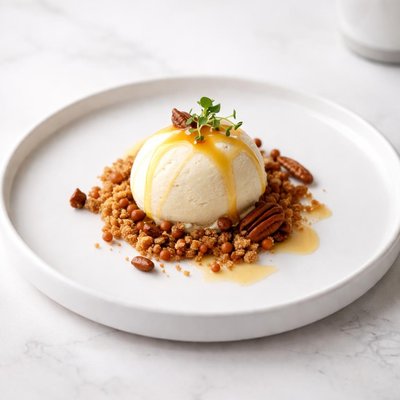
Indulge in the sweet and bubbly charm of a Vermont Maple Float, a refreshing yet decadent treat that showcases the rich flavors of pure maple syrup paired with creamy vanilla ice cream. This easy-to-make dessert drink blends sparkling water or club soda for a fizzy twist, topped with a dollop of whipped cream and a dusting of warm cinnamon. Optional garnishes like maple sugar or brown sugar add an extra touch of rustic sweetness. Ready in just five minutes, this frosty, New England-inspired masterpiece is perfect for any occasion—whether you're entertaining guests or simply treating yourself. Serve it in a chilled glass for a picture-perfect presentation that’s as delightful to look at as it is to savor!

Smart Nutrition Tracking with SnapCalorie

Explore More



Recipe Information
Ingredients
- 2 tablespoons Pure maple syrup
- 2 scoops Vanilla ice cream
- 1 cup Sparkling water or club soda
- 2 tablespoons Whipped cream
- 0.25 teaspoons Ground cinnamon
- 1 teaspoon Maple sugar or brown sugar (optional)
Instructions
Chill a tall glass or mug in the freezer for 5–10 minutes prior to assembling the float, if desired, for a frosty presentation.
Pour 2 tablespoons of pure maple syrup into the bottom of the glass.
Add two generous scoops of vanilla ice cream on top of the maple syrup, ensuring the scoops sit neatly in the glass.
Carefully pour 1 cup of sparkling water or club soda over the ice cream. Pour slowly to prevent overflow and fizzing over the edges.
Top with 2 tablespoons of whipped cream for an indulgent finish.
Lightly dust the whipped cream with 1/4 teaspoon of ground cinnamon for added warmth and flavor.
If desired, sprinkle 1 teaspoon of maple sugar or brown sugar over the top as a decorative finishing touch.
Serve immediately with a straw and a spoon and enjoy this delightful Vermont-inspired treat!
Nutrition Facts
Calories |
385 | ||
|---|---|---|---|
% Daily Value* |
|||
| Total Fat | 15.7 g | 20% | |
| Saturated Fat | 10.3 g | 52% | |
| Polyunsaturated Fat | 0.0 g | ||
| Cholesterol | 66 mg | 22% | |
| Sodium | 103 mg | 4% | |
| Total Carbohydrate | 55.4 g | 20% | |
| Dietary Fiber | 0.4 g | 1% | |
| Total Sugars | 48.0 g | ||
| Protein | 4.5 g | 9% | |
| Vitamin D | 0.2 mcg | 1% | |
| Calcium | 183 mg | 14% | |
| Iron | 0.0 mg | 0% | |
| Potassium | 318 mg | 7% | |
*The % Daily Value tells you how much a nutrient in a serving of food contributes to a daily diet. 2,000 calories a day is used for general nutrition advice.


