Tuna Tarragon Salad Sweet Tomatoes
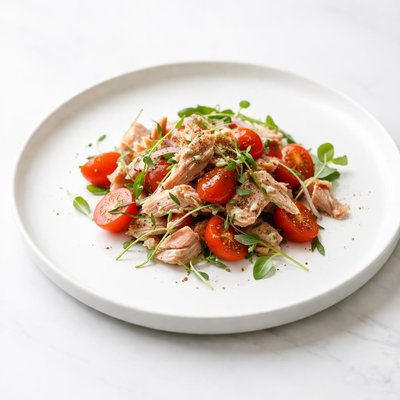
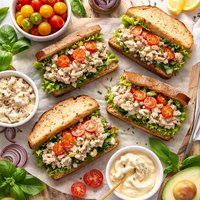
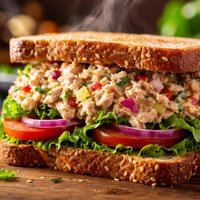
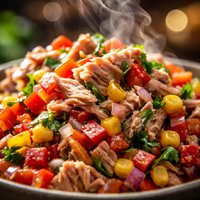
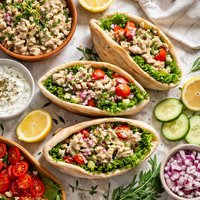
Elevate your salad game with this vibrant Tuna Tarragon Salad with Sweet Tomatoes, a perfect balance of fresh, creamy, and tangy flavors. This quick and easy recipe combines flaky canned tuna with juicy cherry tomatoes, crisp celery, and aromatic fresh tarragon, all brought together by a zesty dressing of Dijon mustard, mayonnaise, and a splash of lemon juice. With finely chopped red onion adding a mild kick and a bed of mixed greens providing a refreshing crunch, this salad is as nutritious as it is delicious. Ideal for a light lunch or a satisfying dinner, you can serve it chilled for maximum flavor or use it as a filling for wraps and sandwiches. Ready in just 15 minutes, this gluten-free, protein-packed dish is the ultimate healthy and versatile meal idea!

Smart Nutrition Tracking with SnapCalorie

Recipe Information
Ingredients
- 2 5-ounce cans Canned tuna in water
- 1.5 cups Cherry tomatoes
- 1 tablespoon Fresh tarragon leaves
- 3 tablespoons Mayonnaise
- 1 teaspoon Dijon mustard
- 1 tablespoon Lemon juice
- 1 whole (diced) Celery stalk
- 2 tablespoons (finely chopped) Red onion
- 0.5 teaspoon Salt
- 0.25 teaspoon Black pepper
- 3 cups Mixed greens or lettuce
Instructions
Drain the canned tuna and transfer it to a medium-sized mixing bowl. Use a fork to break the tuna into small flakes.
Wash and halve the cherry tomatoes. Add them to the bowl with the tuna.
Finely chop the tarragon leaves and add them to the mixture.
In a separate small bowl, combine mayonnaise, Dijon mustard, and lemon juice. Mix well until smooth and creamy.
Add the diced celery and finely chopped red onion to the tuna mixture. Pour the dressing over it.
Sprinkle in the salt and black pepper. Gently toss all ingredients together until evenly coated.
Serve the salad over a bed of mixed greens or lettuce for a light meal, or scoop it into a wrap or sandwich for a heartier option.
For best results, refrigerate for 30 minutes before serving to let the flavors meld together.
Nutrition Facts
Calories |
185 | ||
|---|---|---|---|
% Daily Value* |
|||
| Total Fat | 8.9 g | 11% | |
| Saturated Fat | 1.3 g | 7% | |
| Polyunsaturated Fat | 0.0 g | ||
| Cholesterol | 29 mg | 10% | |
| Sodium | 580 mg | 25% | |
| Total Carbohydrate | 6.0 g | 2% | |
| Dietary Fiber | 2.4 g | 9% | |
| Total Sugars | 2.2 g | ||
| Protein | 20.6 g | 41% | |
| Vitamin D | 1.4 mcg | 7% | |
| Calcium | 79 mg | 6% | |
| Iron | 2.2 mg | 12% | |
| Potassium | 549 mg | 12% | |
*The % Daily Value tells you how much a nutrient in a serving of food contributes to a daily diet. 2,000 calories a day is used for general nutrition advice.


