Tuna Fish Salad on a Bed of Lettuce

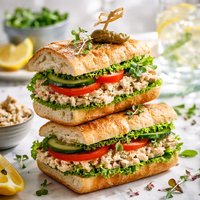
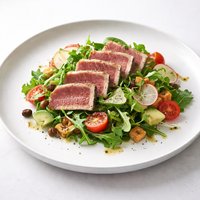
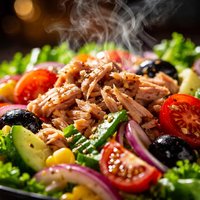
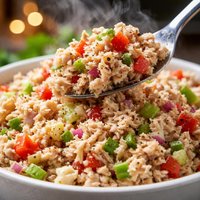
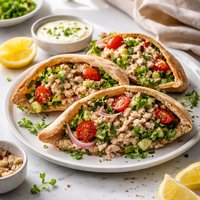
Brighten up your lunchtime routine with this refreshing Tuna Fish Salad on a Bed of Lettuce! Bursting with flavor, this quick and easy recipe combines protein-packed canned tuna with the creamy richness of mayonnaise, a zesty kick from Dijon mustard, and the satisfying crunch of finely chopped celery and dill pickles. Fresh parsley, red onion, and a splash of lemon juice elevate the dish with vibrant, herbaceous notes, all perfectly balanced with just the right touch of salt and pepper. Served atop crisp butter lettuce leaves, this no-cook meal is as light as it is satisfying—ideal for a healthy lunch or effortless dinner in just 15 minutes. Low-carb, gluten-free, and brimming with fresh ingredients, this salad is sure to become your go-to for a quick, flavorful, and nutritious meal!

Smart Nutrition Tracking with SnapCalorie

Recipe Information
Ingredients
- 2 5-ounce cans canned tuna (in water)
- 4 tablespoons mayonnaise
- 1 teaspoon dijon mustard
- 1 stalk celery (finely chopped)
- 2 tablespoons red onion (finely diced)
- 2 tablespoons dill pickles (finely diced)
- 2 tablespoons fresh parsley (chopped)
- 1 teaspoon lemon juice
- 0.25 teaspoons salt
- 0.25 teaspoons black pepper
- 6 leaves butter lettuce leaves (washed and dried)
Instructions
Open the canned tuna and drain the water thoroughly.
In a medium-sized mixing bowl, combine the drained tuna, mayonnaise, and dijon mustard. Mix well until the tuna is fully coated.
Add the finely chopped celery, diced red onion, diced dill pickles, and chopped fresh parsley to the bowl. Stir to combine evenly.
Squeeze in the lemon juice and season with salt and black pepper. Mix everything thoroughly to ensure the ingredients are well incorporated.
Take the butter lettuce leaves and arrange them on two plates to create a bed of lettuce for each serving.
Scoop the tuna fish salad onto the lettuce beds, dividing it evenly between the two plates.
Serve immediately and enjoy your fresh and flavorful meal!
Nutrition Facts
Calories |
347 | ||
|---|---|---|---|
% Daily Value* |
|||
| Total Fat | 22.6 g | 29% | |
| Saturated Fat | 3.5 g | 17% | |
| Polyunsaturated Fat | 0.0 g | ||
| Cholesterol | 68 mg | 23% | |
| Sodium | 1138 mg | 49% | |
| Total Carbohydrate | 3.8 g | 1% | |
| Dietary Fiber | 1.4 g | 5% | |
| Total Sugars | 1.7 g | ||
| Protein | 32.5 g | 65% | |
| Vitamin D | 3.3 mcg | 16% | |
| Calcium | 57 mg | 4% | |
| Iron | 2.6 mg | 14% | |
| Potassium | 596 mg | 13% | |
*The % Daily Value tells you how much a nutrient in a serving of food contributes to a daily diet. 2,000 calories a day is used for general nutrition advice.


