Tuna and Chickpea Sandwich on Rye
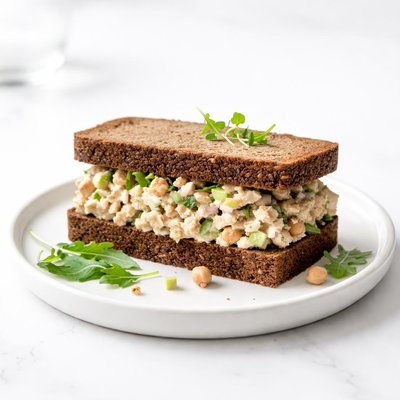
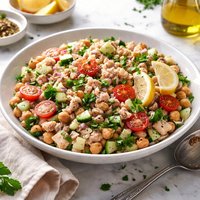
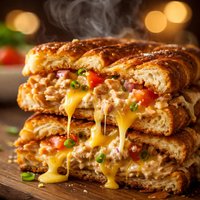
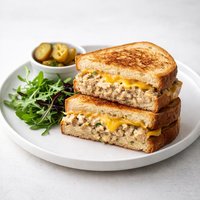
Elevate your lunchtime routine with this hearty and wholesome Tuna and Chickpea Sandwich on Rye. Combining the protein-packed goodness of canned tuna and creamy chickpeas, this savory filling is perfectly seasoned with Dijon mustard, a splash of lemon juice, and fresh parsley for a bright, zesty kick. Finely chopped celery and red onion add delightful crunch, while a touch of mayonnaise keeps it creamy and satisfying. Layered on nutty rye bread with crisp lettuce and juicy tomato slices, this sandwich offers a nutritious, flavorful bite in every mouthful. Ready in just 15 minutes and ideal for a quick, healthy lunch, this recipe is sure to become a go-to favorite. Perfect for tuna sandwich lovers looking for a protein-rich twist with pantry-friendly ingredients!

Smart Nutrition Tracking with SnapCalorie

Recipe Information
Ingredients
- 1 can (5 ounces) Canned tuna in water (drained)
- 0.5 cup Canned chickpeas (drained and rinsed)
- 2 tablespoons Mayonnaise
- 1 teaspoon Dijon mustard
- 1 teaspoon Lemon juice
- 2 tablespoons Celery (finely chopped)
- 1 tablespoon Red onion (finely chopped)
- 1 tablespoon Fresh parsley (chopped)
- 0.25 teaspoon Salt
- 0.25 teaspoon Black pepper
- 4 slices Rye bread slices
- 2 leaves Lettuce leaves
- 1 small Tomato (sliced)
Instructions
In a medium mixing bowl, combine the canned tuna and chickpeas.
Using a fork or potato masher, lightly mash the chickpeas until they are broken down but still chunky, and mix with the tuna.
Add the mayonnaise, Dijon mustard, lemon juice, celery, red onion, parsley, salt, and black pepper to the tuna and chickpea mixture.
Stir everything together until well combined and the mixture is creamy.
Lay out the rye bread slices. Spread the tuna and chickpea mixture evenly over two of the slices.
Top each prepared slice with a lettuce leaf and a few tomato slices for added freshness and crunch.
Place the remaining rye bread slices on top to complete the sandwiches.
Serve immediately and enjoy your delicious Tuna and Chickpea Sandwich on Rye!
Nutrition Facts
Calories |
433 | ||
|---|---|---|---|
% Daily Value* |
|||
| Total Fat | 14.6 g | 19% | |
| Saturated Fat | 2.0 g | 10% | |
| Polyunsaturated Fat | 0.0 g | ||
| Cholesterol | 30 mg | 10% | |
| Sodium | 1014 mg | 44% | |
| Total Carbohydrate | 46.1 g | 17% | |
| Dietary Fiber | 8.2 g | 29% | |
| Total Sugars | 6.2 g | ||
| Protein | 28.1 g | 56% | |
| Vitamin D | 1.4 mcg | 7% | |
| Calcium | 91 mg | 7% | |
| Iron | 3.4 mg | 19% | |
| Potassium | 664 mg | 14% | |
*The % Daily Value tells you how much a nutrient in a serving of food contributes to a daily diet. 2,000 calories a day is used for general nutrition advice.


