Tsr Version of Dairy Queen Blizzard by Todd Wilbur
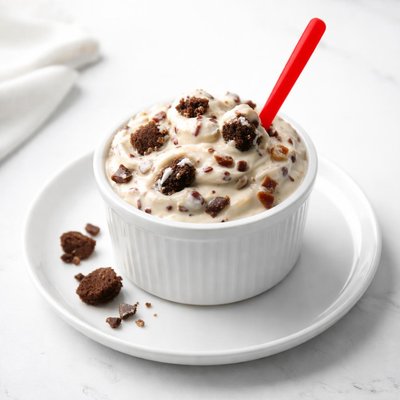
Recreate the magic of your favorite frozen treat at home with the "TSR Version of Dairy Queen Blizzard" by Todd Wilbur! In just 5 minutes, you can whip up this iconic dessert using simple ingredients like rich, full-fat vanilla ice cream, a splash of whole milk, and your favorite mix-ins, such as crushed Oreos, M&Ms, or Reese's cups. The key to this recipe is achieving that signature thick and creamy texture—just blend until smooth but still dense enough to hold a spoon upright. Customize your Blizzard with endless flavor combinations, and for an authentic finishing touch, flip the cup over before serving to show off its delightful thickness. Perfect for a quick treat or dessert night, this DIY Blizzard recipe is a must-try for fans of Dairy Queen's signature dessert!

Smart Nutrition Tracking with SnapCalorie

Explore More
Recipe Information
Ingredients
- 2 cups Vanilla ice cream (full-fat, preferably softened slightly)
- 0.33 cup Whole milk
- 0.5 cup Mix-in of choice (e.g., crushed Oreos, M&Ms, Reese's cups, brownie pieces, etc.)
Instructions
Place the softened vanilla ice cream into a blender or food processor.
Pour in the whole milk to help create a creamy, smooth texture.
Blend the ice cream and milk together on a low setting, pulsing if necessary, until just combined. The mixture should be thick but well-incorporated. Avoid over-blending to keep it from becoming too liquidy.
Add your chosen mix-in (such as crushed Oreos, M&Ms, or Reese's cups) to the blender.
Pulse the blender 2-3 times or mix by hand with a spoon to evenly distribute the mix-ins without breaking them down too much.
Pour or scoop the Blizzard into a serving cup. Use a thick straw or a spoon to enjoy!
Optional: To mimic the Dairy Queen serving style, invert the cup briefly before serving to show its thickness (just be careful!).
Nutrition Facts
Calories |
1267 | ||
|---|---|---|---|
% Daily Value* |
|||
| Total Fat | 66.2 g | 85% | |
| Saturated Fat | 38.5 g | 193% | |
| Polyunsaturated Fat | 0.0 g | ||
| Cholesterol | 215 mg | 72% | |
| Sodium | 612 mg | 27% | |
| Total Carbohydrate | 152.3 g | 55% | |
| Dietary Fiber | 1.8 g | 6% | |
| Total Sugars | 122.8 g | ||
| Protein | 22.3 g | 45% | |
| Vitamin D | 2.2 mcg | 11% | |
| Calcium | 728 mg | 56% | |
| Iron | 3.6 mg | 20% | |
| Potassium | 1169 mg | 25% | |
*The % Daily Value tells you how much a nutrient in a serving of food contributes to a daily diet. 2,000 calories a day is used for general nutrition advice.


