South Beach Ketchup
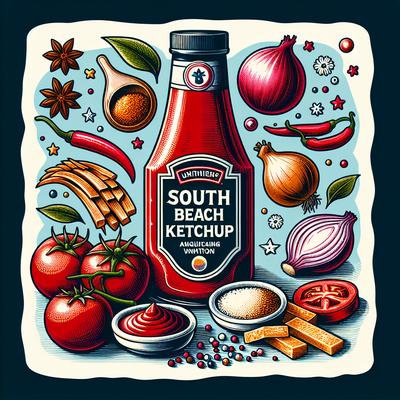
Transform your condiment game with homemade South Beach Ketchup—a flavorful, low-carb alternative to store-bought varieties! This quick and easy recipe combines the rich base of tomato paste with tangy apple cider vinegar, natural sweetness from granulated erythritol, and a perfectly balanced blend of warm spices like paprika, cinnamon, and cloves. Ready in just 10 minutes, this keto-friendly ketchup is a versatile kitchen staple, perfect for topping burgers, pairing with fries, or incorporating into marinades and sauces. With no added sugar and a vibrant, fresh taste, this healthier ketchup keeps in the fridge for up to two weeks, making it as convenient as it is delicious.

Get More Healthy Recipes with SnapCalorie




Recipe Information
Ingredients
- 6 oz tomato paste
- 2 tbsp apple cider vinegar
- 1 cup water
- 2 tbsp granulated erythritol
- 1 tsp onion powder
- 1 tsp garlic powder
- 1 tsp paprika
- 0.25 tsp ground cinnamon
- 0.125 tsp ground cloves
- 0.5 tsp salt
- 0.25 tsp black pepper
Instructions
In a medium-sized saucepan, combine the tomato paste, apple cider vinegar, and water. Whisk until the mixture is smooth.
Add the granulated erythritol, onion powder, garlic powder, paprika, ground cinnamon, ground cloves, salt, and black pepper to the saucepan. Stir well to combine.
Place the saucepan over medium heat and bring the mixture to a simmer, stirring occasionally to avoid burning.
Reduce the heat to low and let it cook for 4–5 minutes, stirring frequently, until the ketchup thickens slightly.
Remove from heat and let the ketchup cool to room temperature.
Pour the ketchup into an airtight container or jar and refrigerate for at least 1 hour to allow the flavors to meld together.
Serve with your favorite dishes or use as a base for marinades and sauces. The ketchup will keep in the refrigerator for up to 2 weeks.
Nutrition Facts
Calories |
194 | ||
|---|---|---|---|
% Daily Value* |
|||
| Total Fat | 0.9 g | 1% | |
| Saturated Fat | 0.1 g | 0% | |
| Polyunsaturated Fat | 0.0 g | ||
| Cholesterol | 0 mg | 0% | |
| Sodium | 1038 mg | 45% | |
| Total Carbohydrate | 64.7 g | 24% | |
| Dietary Fiber | 8.2 g | 29% | |
| Total Sugars | 26.1 g | ||
| Protein | 8.9 g | 18% | |
| Vitamin D | 0.0 mcg | 0% | |
| Calcium | 139 mg | 11% | |
| Iron | 3.5 mg | 19% | |
| Potassium | 1410 mg | 30% | |
*The % Daily Value tells you how much a nutrient in a serving of food contributes to a daily diet. 2,000 calories a day is used for general nutrition advice.


