Reduced Fat Bisquick Mix Whole Wheat
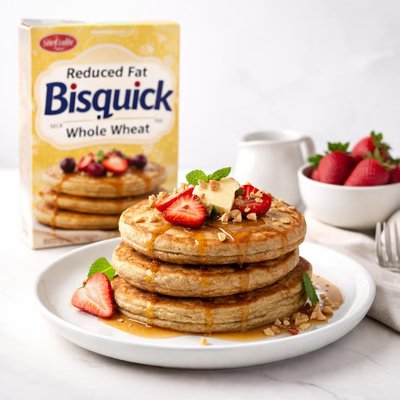
Say goodbye to store-bought mixes and hello to wholesome homemade versatility with this Reduced Fat Bisquick Mix Whole Wheat recipe! Perfectly blended with hearty whole wheat flour and a touch of all-purpose flour, this DIY mix offers a healthier twist without sacrificing flavor or texture. Cold, unsalted butter is worked into the dough, creating light, fluffy results in everything from pancakes to biscuits, while optional milk powder enhances richness. Ready in just 15 minutes, this reduced-fat mix can be stored in your fridge or freezer, making it a convenient, healthier 1:1 replacement for commercial mixes. Perfect for health-conscious bakers looking to elevate breakfast or baking staples with a nutty, whole grain flavor!

Smart Nutrition Tracking with SnapCalorie

Explore More

Recipe Information
Ingredients
- 3 cups Whole wheat flour
- 1 cup All-purpose flour
- 5 teaspoons Baking powder
- 1 teaspoon Salt
- 4 tablespoons Cold unsalted butter (cut into small cubes)
- 4 tablespoons Milk powder (optional for enhanced flavor and texture)
Instructions
In a large mixing bowl, combine the whole wheat flour, all-purpose flour, baking powder, salt, and milk powder (if using). Whisk until all dry ingredients are evenly incorporated.
Add the cold unsalted butter cubes to the dry mixture.
Using a pastry blender, fork, or your fingertips, cut the butter into the dry ingredients until the mixture resembles coarse crumbs. Be sure not to overblend; small chunks of butter should remain to ensure a light and fluffy texture when used in recipes.
Transfer the mix into an airtight container and store in the refrigerator for up to 2 weeks, or freeze for longer storage (up to 3 months).
Use this reduced-fat Bisquick mix as a 1:1 replacement for commercial Bisquick mix in your favorite recipes, such as pancakes, waffles, or biscuits.
Nutrition Facts
Calories |
144 | ||
|---|---|---|---|
% Daily Value* |
|||
| Total Fat | 3.9 g | 5% | |
| Saturated Fat | 2.2 g | 11% | |
| Polyunsaturated Fat | 0.0 g | ||
| Cholesterol | 10 mg | 3% | |
| Sodium | 296 mg | 13% | |
| Total Carbohydrate | 23.6 g | 9% | |
| Dietary Fiber | 2.6 g | 9% | |
| Total Sugars | 0.8 g | ||
| Protein | 4.5 g | 9% | |
| Vitamin D | 0.1 mcg | 0% | |
| Calcium | 25 mg | 2% | |
| Iron | 1.0 mg | 6% | |
| Potassium | 111 mg | 2% | |
*The % Daily Value tells you how much a nutrient in a serving of food contributes to a daily diet. 2,000 calories a day is used for general nutrition advice.


