Pumpkin Peanut Butter Dip
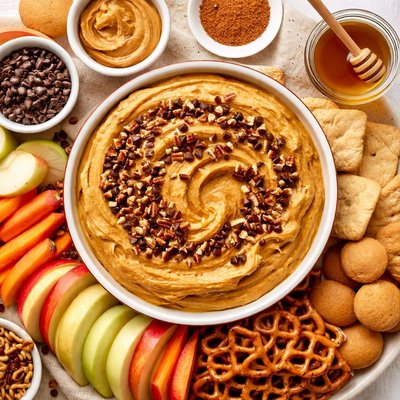
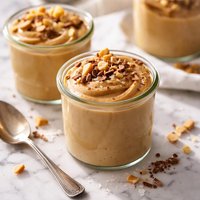
Elevate your fall snack game with this creamy and flavorful Pumpkin Peanut Butter Dip! Combining the warm, earthy sweetness of pumpkin puree with the nutty richness of unsweetened peanut butter, this easy no-cook recipe is perfectly balanced with tangy Greek yogurt, a drizzle of maple syrup, and a medley of cozy autumn spices like cinnamon, nutmeg, and ginger. Ready in just 5 minutes and packed with protein, this dip is ideal for dipping apple slices, pretzels, or even spiced cookies, making it a versatile and healthy treat for holiday gatherings or a midday indulgence. Whether you're hosting friends or curling up with a seasonal snack, this pumpkin peanut butter dip is the ultimate crowd-pleaser that will have everyone asking for the recipe!

Smart Nutrition Tracking with SnapCalorie



Recipe Information
Ingredients
- 1 cup Pumpkin puree
- 0.5 cup Creamy peanut butter (unsweetened)
- 0.5 cup Greek yogurt (plain, full-fat or 2%)
- 3 tablespoons Maple syrup
- 1 teaspoon Vanilla extract
- 0.5 teaspoon Ground cinnamon
- 0.25 teaspoon Ground nutmeg
- 0.25 teaspoon Ground ginger
- 0.125 teaspoon Salt
Instructions
In a medium-sized mixing bowl, combine the pumpkin puree, creamy peanut butter, and Greek yogurt. Stir until smooth and well blended.
Add the maple syrup, vanilla extract, cinnamon, nutmeg, ginger, and salt. Mix thoroughly to incorporate all the flavors.
Taste the dip and adjust sweetness or spices if desired. Add an additional tablespoon of maple syrup for more sweetness or a pinch of spices for a stronger flavor profile.
Cover the bowl with plastic wrap or transfer the dip to an airtight container. Refrigerate for at least 30 minutes to allow the flavors to meld.
Before serving, stir the dip and transfer it to a serving bowl. Garnish with a sprinkle of cinnamon if desired.
Serve with apple slices, pretzels, ginger cookies, or your favorite dippers. Enjoy!
Nutrition Facts
Calories |
187 | ||
|---|---|---|---|
% Daily Value* |
|||
| Total Fat | 11.9 g | 15% | |
| Saturated Fat | 2.6 g | 13% | |
| Polyunsaturated Fat | 0.4 g | ||
| Cholesterol | 3 mg | 1% | |
| Sodium | 141 mg | 6% | |
| Total Carbohydrate | 15.4 g | 6% | |
| Dietary Fiber | 2.5 g | 9% | |
| Total Sugars | 9.9 g | ||
| Protein | 6.8 g | 14% | |
| Vitamin D | 0.0 mcg | 0% | |
| Calcium | 46 mg | 4% | |
| Iron | 1.0 mg | 5% | |
| Potassium | 229 mg | 5% | |
*The % Daily Value tells you how much a nutrient in a serving of food contributes to a daily diet. 2,000 calories a day is used for general nutrition advice.


