Passionfruit Cordial
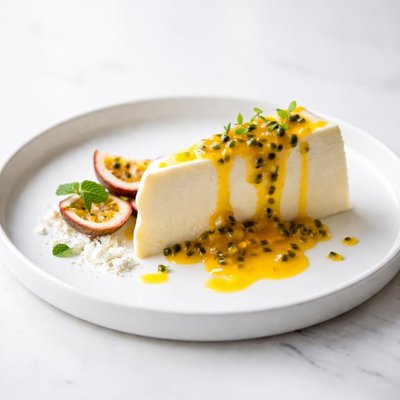
Brighten up your beverage game with homemade passionfruit cordial, a vibrant and versatile recipe that's bursting with tropical flavor. Made from fresh or canned passionfruit pulp, this cordial perfectly balances tart and sweet with the addition of freshly squeezed lemon juice and sugar. In just 25 minutes, you'll have a golden, syrupy concentrate that can be mixed with sparkling water for a zesty refresher or used as a delicious cocktail mixer. With its rich aroma and natural fruitiness, this passionfruit cordial is sure to be the star of your summer drinks menu—and it keeps beautifully in the fridge for up to two weeks. Whether you’re hosting guests or treating yourself, this recipe is your ticket to a sip of paradise.

Smart Nutrition Tracking with SnapCalorie

Explore More




Recipe Information
Ingredients
- 250 ml Passionfruit pulp (fresh or canned)
- 200 grams Sugar
- 250 ml Water
- 50 ml Lemon juice (freshly squeezed)
Instructions
In a medium-sized saucepan, combine the passionfruit pulp, sugar, and water.
Place the saucepan over medium heat and stir gently until the sugar dissolves completely. Avoid boiling at this stage.
Bring the mixture to a gentle simmer and cook for about 10 minutes, stirring occasionally, until it thickens slightly.
Remove the saucepan from the heat and stir in the freshly squeezed lemon juice.
Let the cordial cool to room temperature, then strain it through a fine mesh sieve to remove seeds and any pulp, if desired.
Pour the strained cordial into a clean, sterilized glass bottle or jar and seal tightly.
Store the passionfruit cordial in the refrigerator for up to 2 weeks.
To serve, mix 2-3 tablespoons of cordial with sparkling water or still water, adjusting to taste. Enjoy as a refreshing beverage or use it as a cocktail mixer!
Nutrition Facts
Calories |
53 | ||
|---|---|---|---|
% Daily Value* |
|||
| Total Fat | 0.0 g | 0% | |
| Saturated Fat | 0.0 g | 0% | |
| Polyunsaturated Fat | 0.0 g | ||
| Cholesterol | 0 mg | 0% | |
| Sodium | 4 mg | 0% | |
| Total Carbohydrate | 13.1 g | 5% | |
| Dietary Fiber | 1.3 g | 5% | |
| Total Sugars | 11.5 g | ||
| Protein | 0.3 g | 1% | |
| Vitamin D | 0.0 mcg | 0% | |
| Calcium | 3 mg | 0% | |
| Iron | 0.2 mg | 1% | |
| Potassium | 46 mg | 1% | |
*The % Daily Value tells you how much a nutrient in a serving of food contributes to a daily diet. 2,000 calories a day is used for general nutrition advice.


