One Minute Chocolate Cake in a Mug
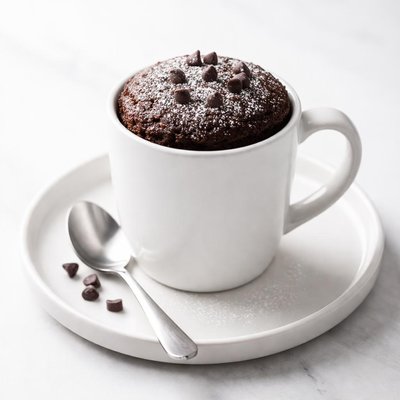
Satisfy your chocolate cravings in an instant with this irresistibly moist and fluffy One Minute Chocolate Cake in a Mug! Perfectly portioned for one, this quick and easy dessert comes together in just three minutes using pantry staples like flour, sugar, cocoa powder, and a splash of vanilla extract. Microwave magic transforms the simple batter into a decadent single-serve cake, and optional chocolate chips provide an extra gooey surprise. Ideal for weeknight indulging or last-minute sweet tooth fixes, this microwave mug cake is a hassle-free treat that’s just as delicious plain as it is topped with whipped cream or a scoop of ice cream. Whether you’re short on time or just want a no-fuss dessert, this one-minute chocolate mug cake is about to become your favorite go-to recipe!

Smart Nutrition Tracking with SnapCalorie



Recipe Information
Ingredients
- 4 tablespoons All-purpose flour
- 2 tablespoons Granulated sugar
- 2 tablespoons Unsweetened cocoa powder
- 0.25 teaspoons Baking powder
- 3 tablespoons Milk (any type)
- 2 tablespoons Vegetable oil
- 0.25 teaspoons Vanilla extract
- 1 tablespoons Chocolate chips (optional)
Instructions
In a standard-sized microwave-safe mug, add the all-purpose flour, granulated sugar, unsweetened cocoa powder, and baking powder. Mix thoroughly to combine all the dry ingredients.
Add the milk, vegetable oil, and vanilla extract to the dry mixture. Stir until the batter is smooth and no lumps remain.
If using, fold in the chocolate chips for an extra melty chocolate experience.
Microwave the mug on high power for 60 seconds. Depending on the microwave's wattage, you may need an extra 15 seconds, but avoid overcooking as the cake will set further as it cools.
Allow the mug cake to cool for 1-2 minutes before enjoying. Serve as is or top with whipped cream, ice cream, or a drizzle of chocolate syrup.
Nutrition Facts
Calories |
534 | ||
|---|---|---|---|
% Daily Value* |
|||
| Total Fat | 31.6 g | 41% | |
| Saturated Fat | 6.9 g | 34% | |
| Polyunsaturated Fat | 16.8 g | ||
| Cholesterol | 4 mg | 1% | |
| Sodium | 156 mg | 7% | |
| Total Carbohydrate | 62.8 g | 23% | |
| Dietary Fiber | 4.9 g | 18% | |
| Total Sugars | 32.4 g | ||
| Protein | 7.3 g | 15% | |
| Vitamin D | 0.6 mcg | 3% | |
| Calcium | 73 mg | 6% | |
| Iron | 2.2 mg | 12% | |
| Potassium | 230 mg | 5% | |
*The % Daily Value tells you how much a nutrient in a serving of food contributes to a daily diet. 2,000 calories a day is used for general nutrition advice.


