Nut-Free Vegan Pesto

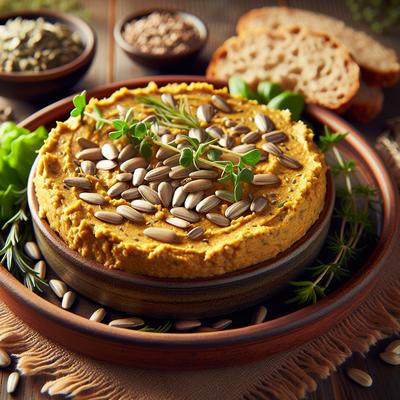
This Nut-Free Vegan Pesto is a vibrant, creamy, and allergy-friendly twist on the classic condiment, perfect for plant-based and nut-free diets. Packed with the fresh, aromatic flavors of basil and baby spinach, this easy 10-minute recipe swaps traditional pine nuts for nutrient-rich sunflower seeds, making it both delicious and accessible. Nutritional yeast brings a cheesy, umami depth, while garlic and a splash of zesty lemon juice elevate the flavor profile. This versatile, dairy-free pesto is perfect as a sauce for pasta, a sandwich spread, or a veggie dip. Whip up a batch and enjoy this healthy and delectable staple that’s sure to enhance any meal.

Get More Healthy Recipes with SnapCalorie


Recipe Information
Ingredients
- 2 cups Fresh basil leaves
- 1 cup Baby spinach
- 0.5 cup Extra virgin olive oil
- 2 tablespoons Lemon juice
- 3 tablespoons Nutritional yeast
- 2 Garlic cloves
- 0.25 cup Sunflower seeds
- 0.5 teaspoon Sea salt
- 0.25 teaspoon Ground black pepper
- 2 tablespoons Water (optional, to thin)
Instructions
Rinse and dry the fresh basil leaves and baby spinach.
Peel the garlic cloves.
In a high-speed blender or food processor, combine the basil leaves, baby spinach, sunflower seeds, garlic cloves, lemon juice, nutritional yeast, sea salt, and ground black pepper.
Pulse the mixture for a few seconds to break down the larger ingredients.
With the blender or processor running, slowly drizzle in the olive oil. Blend until the mixture becomes smooth and creamy. If the pesto is too thick, add water one tablespoon at a time until the desired consistency is achieved.
Taste the pesto and adjust seasoning if necessary by adding more salt, pepper, or lemon juice.
Transfer the pesto to a clean jar or airtight container. Store in the refrigerator for up to one week.
Use as a sauce for pasta, a spread for sandwiches, or a dip for vegetables.
Nutrition Facts
Calories |
1341 | ||
|---|---|---|---|
% Daily Value* |
|||
| Total Fat | 133.4 g | 171% | |
| Saturated Fat | 18.8 g | 94% | |
| Polyunsaturated Fat | 11.9 g | ||
| Cholesterol | 0 mg | 0% | |
| Sodium | 1007 mg | 44% | |
| Total Carbohydrate | 23.2 g | 8% | |
| Dietary Fiber | 13.2 g | 47% | |
| Total Sugars | 1.7 g | ||
| Protein | 20.2 g | 40% | |
| Vitamin D | 0.0 mcg | 0% | |
| Calcium | 255 mg | 20% | |
| Iron | 7.9 mg | 44% | |
| Potassium | 970 mg | 21% | |
*The % Daily Value tells you how much a nutrient in a serving of food contributes to a daily diet. 2,000 calories a day is used for general nutrition advice.


