No Butter Sauce for Vegetables
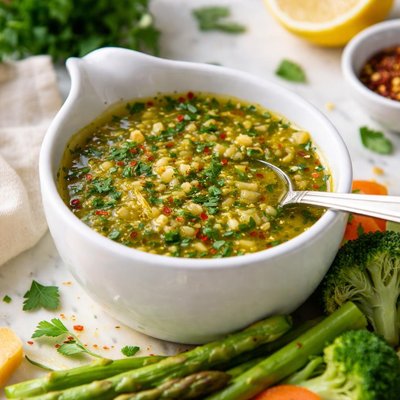
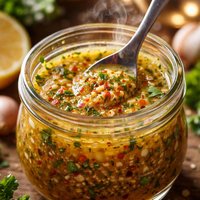
Elevate your vegetable side dishes with this flavorful and wholesome No Butter Sauce for Vegetables, a quick and healthy alternative to traditional butter-based sauces. This versatile recipe combines robust olive oil with zesty lemon juice, savory vegetable stock, and a hint of Dijon mustard for a perfect balance of tang and depth. A touch of sweetness from honey—or maple syrup for a vegan option—adds subtle complexity, while fresh parsley imparts a burst of color and freshness. Ready in just 10 minutes, this light yet luscious sauce is perfect for drizzling over steamed, roasted, or sautéed vegetables, adding a gourmet finish without the guilt. Whether you're meal prepping, entertaining, or simply enhancing your everyday greens, this dairy-free sauce is a must-try for a healthier and more vibrant plate! Keywords: no butter sauce, sauce for vegetables, dairy-free sauce, healthy vegetable sauce, vegan-friendly.

Smart Nutrition Tracking with SnapCalorie

Recipe Information
Ingredients
- 3 tablespoons Olive oil
- 2 cloves Garlic
- 2 tablespoons Lemon juice
- 0.25 cup Vegetable stock
- 1 teaspoon Dijon mustard
- 1 teaspoon Honey (or maple syrup for vegan option)
- 2 tablespoons Fresh parsley
- 0.5 teaspoon Salt
- 0.25 teaspoon Black pepper
Instructions
Peel and finely mince the garlic cloves.
In a small saucepan, heat the olive oil over medium heat.
Add the minced garlic to the pan and sauté for 1-2 minutes until fragrant, being careful not to let it brown.
Add the vegetable stock, lemon juice, Dijon mustard, and honey (or maple syrup) to the pan. Stir well to combine all the ingredients.
Bring the mixture to a gentle simmer and let it cook for 2-3 minutes until slightly reduced and thickened.
Remove the saucepan from heat and stir in the chopped parsley, salt, and black pepper.
Taste the sauce and adjust seasoning if needed.
Drizzle over your cooked vegetables, toss to coat, and serve immediately.
Nutrition Facts
Calories |
108 | ||
|---|---|---|---|
% Daily Value* |
|||
| Total Fat | 10.6 g | 14% | |
| Saturated Fat | 1.5 g | 7% | |
| Polyunsaturated Fat | 0.0 g | ||
| Cholesterol | 0 mg | 0% | |
| Sodium | 309 mg | 13% | |
| Total Carbohydrate | 3.5 g | 1% | |
| Dietary Fiber | 0.4 g | 1% | |
| Total Sugars | 1.9 g | ||
| Protein | 0.5 g | 1% | |
| Vitamin D | 0.0 mcg | 0% | |
| Calcium | 9 mg | 1% | |
| Iron | 0.4 mg | 2% | |
| Potassium | 53 mg | 1% | |
*The % Daily Value tells you how much a nutrient in a serving of food contributes to a daily diet. 2,000 calories a day is used for general nutrition advice.


