Mediterranean Diet Avocado Mayonnaise
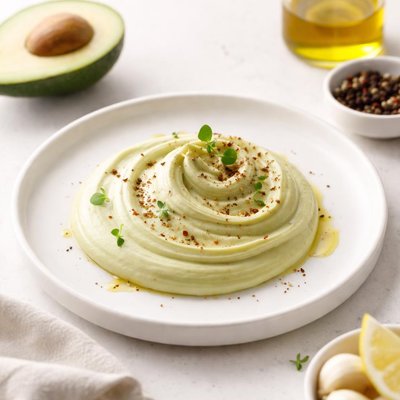
Elevate your homemade condiments with this creamy and nutritious Mediterranean Diet Avocado Mayonnaise, a heart-healthy twist on a classic favorite. Made with ripe avocado, extra virgin olive oil, fresh lemon juice, and a hint of Dijon mustard, this mayo is rich in healthy fats and bursting with vibrant, tangy flavors. It's naturally dairy-free, gluten-free, and perfect for spreading on sandwiches, dressing up salads, or using as a luscious dip. With just 10 minutes of prep time and a handful of wholesome ingredients, this easy, no-cook recipe delivers a velvety texture and a zesty Mediterranean flair. Ideal for those following a Mediterranean diet or anyone seeking a healthier mayo alternative, this avocado mayonnaise is a must-try for your next meal prep session!

Smart Nutrition Tracking with SnapCalorie


Recipe Information
Ingredients
- 1 large ripe avocado
- 2 tablespoons extra virgin olive oil
- 1 tablespoon fresh lemon juice
- 1 teaspoon Dijon mustard
- 1 small garlic clove
- 0.25 teaspoon sea salt
- 0.125 teaspoon black pepper
Instructions
Cut the large ripe avocado in half, remove the pit, and scoop the flesh into a food processor or blender.
Add the extra virgin olive oil, fresh lemon juice, Dijon mustard, and sea salt to the avocado in the processor.
Peel and finely chop the small garlic clove, then add it to the mixture in the food processor.
Blend all the ingredients together until smooth and creamy, stopping to scrape down the sides as needed to ensure even blending.
Taste the mixture and adjust seasoning if necessary. Add more salt, lemon juice, or olive oil to achieve your desired flavor and consistency.
Transfer the avocado mayonnaise to a serving dish or sealable container.
Use immediately as a spread or dip, or store it in the refrigerator for up to 3 days. Ensure it is covered well to minimize browning.
Nutrition Facts
Calories |
95 | ||
|---|---|---|---|
% Daily Value* |
|||
| Total Fat | 9.4 g | 12% | |
| Saturated Fat | 1.3 g | 7% | |
| Polyunsaturated Fat | 0.0 g | ||
| Cholesterol | 0 mg | 0% | |
| Sodium | 102 mg | 4% | |
| Total Carbohydrate | 3.2 g | 1% | |
| Dietary Fiber | 2.3 g | 8% | |
| Total Sugars | 0.2 g | ||
| Protein | 0.7 g | 1% | |
| Vitamin D | 0.0 mcg | 0% | |
| Calcium | 6 mg | 0% | |
| Iron | 0.2 mg | 1% | |
| Potassium | 167 mg | 4% | |
*The % Daily Value tells you how much a nutrient in a serving of food contributes to a daily diet. 2,000 calories a day is used for general nutrition advice.


