Mashed Cauliflower with Cream Cheese

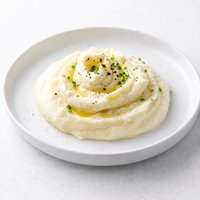
Indulge in the creamy decadence of Mashed Cauliflower with Cream Cheese—a low-carb comfort food favorite that’s both rich and satisfying. This recipe transforms tender cauliflower florets into a velvety smooth mash, infused with tangy cream cheese, buttery goodness, and a hint of garlic for that irresistible flavor. With just 15 minutes of cooking time, it's a perfect quick and healthy alternative to traditional mashed potatoes, offering all the creaminess without the carbs. Sprinkle fresh chives on top for a pop of color and an herby finish that elevates every bite. Ideal for weeknight dinners or as a crowd-pleasing side dish at your next gathering, this mashed cauliflower offers a deliciously guilt-free way to enjoy indulgent flavors.

Smart Nutrition Tracking with SnapCalorie

Explore More





Recipe Information
Ingredients
- 1 large head (approximately 4 cups) Cauliflower florets
- 4 tablespoons Cream cheese
- 2 tablespoons Unsalted butter
- 2 tablespoons Heavy cream
- 0.5 teaspoons Garlic powder
- 0.5 teaspoons Salt
- 0.25 teaspoons Ground black pepper
- 1 tablespoon, chopped Fresh chives (optional, for garnish)
Instructions
Wash the cauliflower thoroughly and separate it into small florets.
Bring a large pot of water to a boil and add a pinch of salt. Add the cauliflower florets and cook for 10-12 minutes, or until they are very tender when pierced with a fork.
Drain the cauliflower well and allow it to sit in the colander for a few minutes to let any excess moisture escape.
Transfer the cooked cauliflower to a food processor or blender. Add the cream cheese, butter, heavy cream, garlic powder, salt, and black pepper.
Blend the mixture until smooth and creamy. You may need to scrape down the sides of the food processor or blender a couple of times to ensure everything is evenly combined.
Taste and adjust the seasoning, adding more salt or pepper if needed.
Serve immediately, garnished with fresh chopped chives if desired.
Nutrition Facts
Calories |
145 | ||
|---|---|---|---|
% Daily Value* |
|||
| Total Fat | 13.4 g | 17% | |
| Saturated Fat | 8.0 g | 40% | |
| Polyunsaturated Fat | 0.0 g | ||
| Cholesterol | 38 mg | 13% | |
| Sodium | 312 mg | 14% | |
| Total Carbohydrate | 4.5 g | 2% | |
| Dietary Fiber | 1.8 g | 6% | |
| Total Sugars | 2.0 g | ||
| Protein | 2.4 g | 5% | |
| Vitamin D | 0.1 mcg | 0% | |
| Calcium | 34 mg | 3% | |
| Iron | 0.4 mg | 2% | |
| Potassium | 234 mg | 5% | |
*The % Daily Value tells you how much a nutrient in a serving of food contributes to a daily diet. 2,000 calories a day is used for general nutrition advice.


