Low Fat Peanut Butter Protein Balls
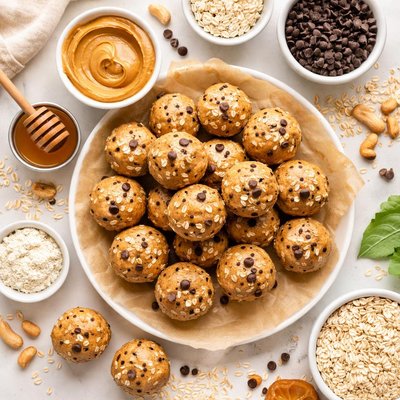
Satisfy your snack cravings guilt-free with these Low Fat Peanut Butter Protein Balls, a quick and wholesome treat that delivers high protein and irresistibly nutty flavor. Made with low-fat peanut butter or PB2, rolled oats, and vanilla protein powder, this no-bake recipe packs a nutritional punch without sacrificing taste. Sweetened naturally with honey and complemented by a hint of vanilla extract, these bite-sized delights are perfect for post-workout recovery or a midday energy boost. Customize your batch with optional mini chocolate chips for an extra indulgent twist. Ready in just 15 minutes and requiring zero cooking, these peanut butter protein balls are a convenient and healthy snacking solution that can be stored for up to a week. Keywords: low-fat peanut butter protein balls, no-bake snacks, protein-rich treats, healthy energy bites, quick snack recipe.

Smart Nutrition Tracking with SnapCalorie

Explore More
Recipe Information
Ingredients
- 1 cup Peanut butter (low-fat or PB2)
- 1 cup Rolled oats
- 1/2 cup Vanilla protein powder
- 1/3 cup Honey
- 1 teaspoon Vanilla extract
- 1/4 cup Mini chocolate chips (optional)
- 2-3 tablespoons Water (if using PB2)
Instructions
In a large mixing bowl, combine the low-fat peanut butter or PB2 with water if using, rolled oats, vanilla protein powder, and vanilla extract.
Pour the honey over the mixture and stir thoroughly until all ingredients are well combined and a dough-like consistency forms.
If desired, fold in the mini chocolate chips until evenly distributed throughout the mixture.
Using your hands, roll the mixture into 1-inch balls and place them on a baking sheet lined with parchment paper.
Refrigerate for at least 30 minutes to allow the protein balls to set and become firm.
Once firm, store the protein balls in an airtight container in the refrigerator for up to one week.
Nutrition Facts
Calories |
130 | ||
|---|---|---|---|
% Daily Value* |
|||
| Total Fat | 2.4 g | 3% | |
| Saturated Fat | 1.0 g | 5% | |
| Polyunsaturated Fat | 0.0 g | ||
| Cholesterol | 4 mg | 1% | |
| Sodium | 82 mg | 4% | |
| Total Carbohydrate | 16.3 g | 6% | |
| Dietary Fiber | 1.4 g | 5% | |
| Total Sugars | 10.0 g | ||
| Protein | 11.5 g | 23% | |
| Vitamin D | 0.0 mcg | 0% | |
| Calcium | 60 mg | 5% | |
| Iron | 0.9 mg | 5% | |
| Potassium | 186 mg | 4% | |
*The % Daily Value tells you how much a nutrient in a serving of food contributes to a daily diet. 2,000 calories a day is used for general nutrition advice.


