Keto Traditional Italian Sugo
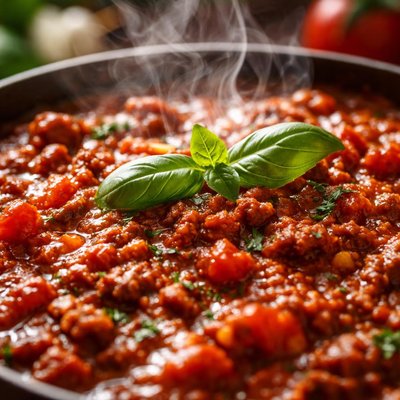
Indulge in the rich, authentic flavors of traditional Italian cooking with a keto twist with this Keto Traditional Italian Sugo recipe. Crafted with wholesome, no-sugar-added crushed tomatoes and tomato paste, this low-carb marinara sauce is infused with aromatic garlic, onions, and classic Italian herbs like basil and oregano. Slow simmered to perfection, this luscious tomato sauce is perfect for pairing with keto-friendly favorites like zucchini noodles or spaghetti squash, offering a hearty, satisfying meal without compromising your dietary goals. Garnish with fresh basil for a fragrant, vibrant finishing touch to this versatile and easy-to-make sugo. Ready in under an hour and serving up to six, it’s the ultimate choice for anyone seeking authentic Italian flavor while following a keto lifestyle.

Smart Nutrition Tracking with SnapCalorie

Explore More
Recipe Information
Ingredients
- 2 tablespoons Olive oil
- 4 Garlic cloves, minced
- 1 medium Yellow onion, finely chopped
- 28 ounces Crushed tomatoes (no added sugar)
- 2 tablespoons Tomato paste (no added sugar)
- 2 teaspoons Dried basil
- 1 teaspoon Dried oregano
- 1 teaspoon Salt
- 0.5 teaspoons Black pepper
- 0.25 teaspoons Red pepper flakes (optional)
- 2 tablespoons Fresh basil leaves, chopped (for garnish)
Instructions
Heat the olive oil in a large saucepan over medium heat.
Add the minced garlic and chopped onion to the pan. Sauté until fragrant and the onion becomes translucent, about 5 minutes.
Stir in the crushed tomatoes and tomato paste until well combined.
Add the dried basil, oregano, salt, black pepper, and red pepper flakes (if using). Stir the mixture thoroughly.
Lower the heat to a gentle simmer. Cover the saucepan and allow the sauce to cook for 30-45 minutes, stirring occasionally.
Taste the sauce and adjust seasoning if needed.
Serve hot, garnished with freshly chopped basil leaves, over low-carb options such as zucchini noodles, spaghetti squash, or your preferred keto-friendly dish.
Nutrition Facts
Calories |
86 | ||
|---|---|---|---|
% Daily Value* |
|||
| Total Fat | 4.8 g | 6% | |
| Saturated Fat | 0.7 g | 3% | |
| Polyunsaturated Fat | 0.0 g | ||
| Cholesterol | 0 mg | 0% | |
| Sodium | 338 mg | 15% | |
| Total Carbohydrate | 10.3 g | 4% | |
| Dietary Fiber | 2.5 g | 9% | |
| Total Sugars | 5.5 g | ||
| Protein | 1.8 g | 4% | |
| Vitamin D | 0.0 mcg | 0% | |
| Calcium | 35 mg | 3% | |
| Iron | 1.0 mg | 6% | |
| Potassium | 355 mg | 8% | |
*The % Daily Value tells you how much a nutrient in a serving of food contributes to a daily diet. 2,000 calories a day is used for general nutrition advice.


