Keto Roasted Butternut Squash

Elevate your low-carb menu with this delicious Keto Roasted Butternut Squash recipe, a perfect union of wholesome flavor and ease of preparation. Featuring tender, caramelized cubes of butternut squash seasoned with garlic powder, ground cumin, paprika, and fresh rosemary, this dish delivers bold, smoky-sweet flavors with every bite. Tossed in heart-healthy olive oil and roasted to perfection, this keto-friendly side pairs effortlessly with any main course. Ready in just 50 minutes, including prep and cook time, it’s a nutrient-packed dish that’s perfect for busy weeknights or holiday gatherings. With its vibrant color and tantalizing aroma, this roasted butternut squash recipe is sure to be a crowd-pleaser while keeping your carbs in check!

Get More Healthy Recipes with SnapCalorie



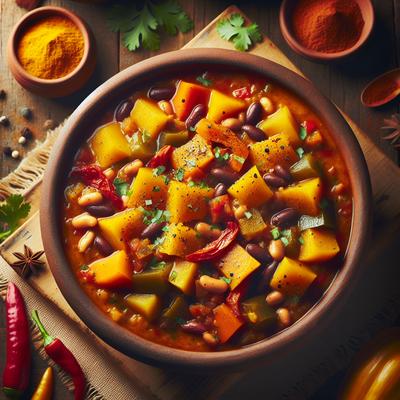
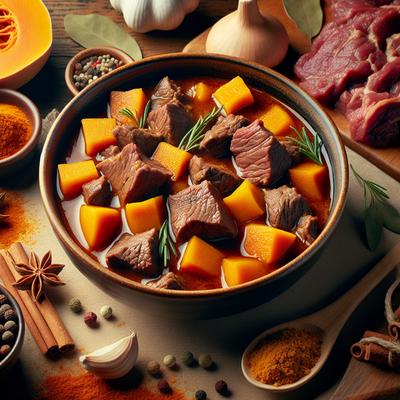

Recipe Information
Ingredients
- 1 medium-sized butternut squash
- 2 tablespoons olive oil
- 1 teaspoon garlic powder
- 0.5 teaspoon ground cumin
- 0.5 teaspoon paprika
- 0.5 teaspoon sea salt
- 0.25 teaspoon black pepper
- 1 teaspoon fresh rosemary
Instructions
Preheat the oven to 400°F (200°C).
Peel the butternut squash and cut it in half lengthwise. Scoop out the seeds and fibers, then cut the squash into 1-inch cubes.
In a large mixing bowl, combine the butternut squash cubes with olive oil, garlic powder, ground cumin, paprika, sea salt, and black pepper. Toss until the squash is evenly coated with the spices and oil.
Spread the seasoned squash cubes in a single layer on a large baking sheet.
Roast in the preheated oven for 25–30 minutes, or until the squash is tender and lightly browned, stirring halfway through the cooking time to ensure even roasting.
Once roasted, remove the squash from the oven and sprinkle with finely chopped fresh rosemary.
Serve hot as a side dish with your favorite keto-friendly entree.
Nutrition Facts
Calories |
556 | ||
|---|---|---|---|
% Daily Value* |
|||
| Total Fat | 28.1 g | 36% | |
| Saturated Fat | 4.2 g | 21% | |
| Polyunsaturated Fat | 0.0 g | ||
| Cholesterol | 0 mg | 0% | |
| Sodium | 1000 mg | 44% | |
| Total Carbohydrate | 82.3 g | 30% | |
| Dietary Fiber | 25.1 g | 90% | |
| Total Sugars | 15.2 g | ||
| Protein | 7.5 g | 15% | |
| Vitamin D | 0.0 mcg | 0% | |
| Calcium | 340 mg | 26% | |
| Iron | 5.8 mg | 32% | |
| Potassium | 2217 mg | 47% | |
*The % Daily Value tells you how much a nutrient in a serving of food contributes to a daily diet. 2,000 calories a day is used for general nutrition advice.


