K Sra Moroccan Bread Morocco North Africa
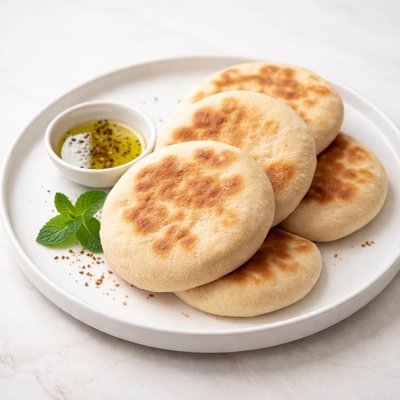
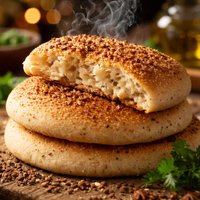
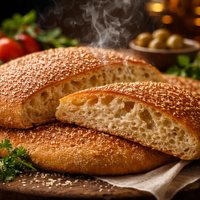
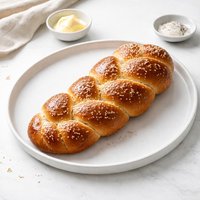
Experience the irresistible charm of K Sra, a traditional Moroccan bread that embodies the rich culinary heritage of North Africa! This recipe features a delightful blend of all-purpose and semolina flours, enhanced with aromatic ground anise and nigella seeds for a warm, subtly spiced flavor. With a soft, fluffy interior and a golden, slightly crisp crust, this bread is perfect for pairing with tagines, stews, or simply as an accompaniment to tea. The step-by-step process includes two gentle rises for a beautifully airy texture, and the optional use of a baking stone ensures an authentic finish. Whether you're recreating the flavors of Morocco or exploring global bread-making traditions, this K Sra recipe is a must-try for any kitchen enthusiast seeking a taste of North Africa. Keywords: Moroccan bread, North African recipes, K Sra, homemade bread, traditional bread recipe.

Smart Nutrition Tracking with SnapCalorie

Recipe Information
Ingredients
- 500 grams All-purpose flour
- 100 grams Semolina flour
- 1 tablespoon Sugar
- 1.5 teaspoons Salt
- 2 teaspoons Dry yeast
- 1 teaspoon Ground anise seeds
- 1 teaspoon Ground nigella seeds
- 350 milliliters Warm water
- 2 tablespoons Olive oil
- Semolina flour (for dusting)
Instructions
In a large mixing bowl, combine the all-purpose flour, semolina flour, sugar, salt, ground anise seeds, and ground nigella seeds.
In a small bowl, dissolve the dry yeast in a portion of the warm water (around 50 milliliters) and let it sit for 5 minutes until foamy.
Make a well in the center of the dry ingredients and pour in the yeast mixture, olive oil, and the remaining warm water gradually.
Using your hands or a stand mixer with a dough hook, knead the mixture until a smooth, elastic dough forms. This should take about 8-10 minutes by hand or 5-6 minutes with the mixer.
Shape the dough into a ball, place it in an oiled bowl, and cover with a clean kitchen towel. Allow it to rise in a warm place for about 1 hour or until doubled in size.
Once risen, punch down the dough to release air. Divide the dough into two equal portions.
Shape each portion into a round, flat disc about 2 cm (1 inch) thick. Dust a baking tray or countertop with semolina flour and place the dough discs on them.
Cover the discs with a kitchen towel and let them rise again for 30 to 40 minutes until slightly puffy.
Preheat your oven to 220°C (425°F). If available, place a baking stone inside the oven to heat up for a crisper crust.
Before baking, prick the surface of each bread disc with a fork to prevent air bubbles during baking.
Transfer the bread to the preheated oven (use a baking stone or a baking sheet) and bake for 20-25 minutes, or until golden brown and the bottom sounds hollow when tapped.
Remove from the oven and let the bread cool on a wire rack before slicing or serving.
Nutrition Facts
Calories |
433 | ||
|---|---|---|---|
% Daily Value* |
|||
| Total Fat | 5.8 g | 7% | |
| Saturated Fat | 0.8 g | 4% | |
| Polyunsaturated Fat | 0.0 g | ||
| Cholesterol | 0 mg | 0% | |
| Sodium | 490 mg | 21% | |
| Total Carbohydrate | 81.5 g | 30% | |
| Dietary Fiber | 3.4 g | 12% | |
| Total Sugars | 2.4 g | ||
| Protein | 11.7 g | 23% | |
| Vitamin D | 0.0 mcg | 0% | |
| Calcium | 20 mg | 2% | |
| Iron | 3.6 mg | 20% | |
| Potassium | 133 mg | 3% | |
*The % Daily Value tells you how much a nutrient in a serving of food contributes to a daily diet. 2,000 calories a day is used for general nutrition advice.


