Hoisin Sauce Recipe
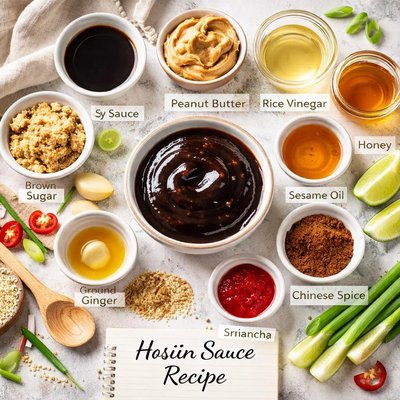
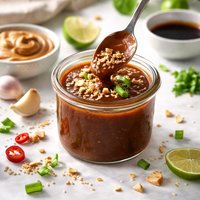
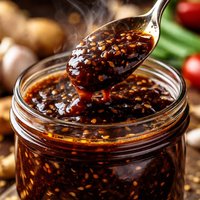
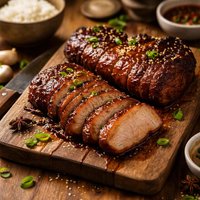
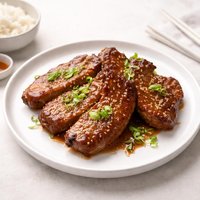
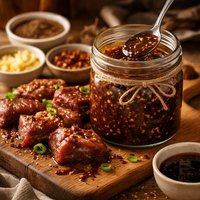
Elevate your culinary creations with this quick and easy homemade Hoisin Sauce recipe, a perfect balance of sweet, savory, and umami flavors. Made in just 5 minutes, this versatile condiment combines pantry staples like soy sauce, peanut butter (or traditional black bean paste), honey, and rice vinegar, with aromatic touches of sesame oil, garlic, and Chinese five-spice powder. A hint of optional Sriracha adds a customizable kick, while a cornstarch slurry ensures the sauce achieves a smooth, glossy texture. Perfect for stir-fries, marinades, dipping sauces, and more, this DIY hoisin sauce brings authentic Asian-inspired flavor to your kitchen in the freshest way possible. Store it in the fridge for up to a week and enjoy its flavorful versatility all week long!

Smart Nutrition Tracking with SnapCalorie

Recipe Information
Ingredients
- 4 tablespoons Soy sauce
- 2 tablespoons Peanut butter (or black bean paste for a traditional flavor)
- 1 tablespoon Honey
- 1 tablespoon Rice vinegar
- 2 teaspoons Sesame oil
- 1 teaspoon Garlic powder
- 1 teaspoon Chinese five-spice powder
- 1 teaspoon Sriracha (optional, for heat)
- 1 teaspoon Cornstarch
- 2 tablespoons Water
Instructions
In a medium-sized bowl, combine the soy sauce, peanut butter (or black bean paste), honey, rice vinegar, and sesame oil.
Stir the mixture until all the ingredients are smooth and well incorporated.
Add the garlic powder, Chinese five-spice powder, and Sriracha if you're using it, and mix again.
In a small bowl, mix the cornstarch and water until the cornstarch is fully dissolved, then pour it into the hoisin sauce mixture.
Whisk everything together until the sauce is smooth and glossy.
Taste the sauce and adjust the seasoning if necessary (e.g., add more honey for sweetness or soy sauce for saltiness).
Use immediately, or transfer the sauce to an airtight container and refrigerate. It can be stored in the fridge for up to 1 week.
Nutrition Facts
Calories |
71 | ||
|---|---|---|---|
% Daily Value* |
|||
| Total Fat | 5.5 g | 7% | |
| Saturated Fat | 0.9 g | 4% | |
| Polyunsaturated Fat | 1.5 g | ||
| Cholesterol | 0 mg | 0% | |
| Sodium | 316 mg | 14% | |
| Total Carbohydrate | 4.4 g | 2% | |
| Dietary Fiber | 0.4 g | 1% | |
| Total Sugars | 2.7 g | ||
| Protein | 1.8 g | 4% | |
| Vitamin D | 0.0 mcg | 0% | |
| Calcium | 9 mg | 1% | |
| Iron | 0.3 mg | 2% | |
| Potassium | 61 mg | 1% | |
*The % Daily Value tells you how much a nutrient in a serving of food contributes to a daily diet. 2,000 calories a day is used for general nutrition advice.


