High Protein Classic Tuna Fish Salad

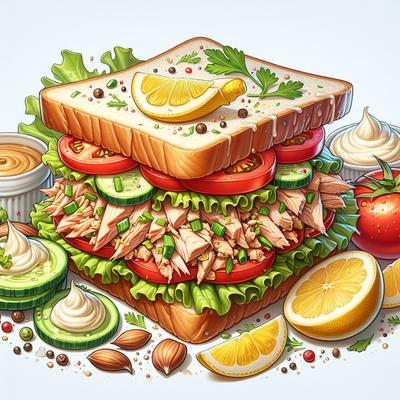
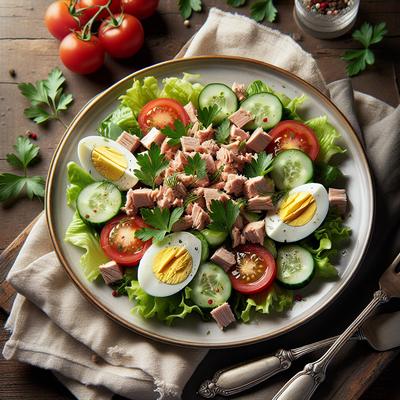
This High Protein Classic Tuna Fish Salad elevates a timeless favorite with a healthy twist, blending creamy Greek yogurt and just a touch of mayonnaise for a lighter, protein-packed base. Flavored with Dijon mustard, sweet pickle relish, and a zesty splash of lemon juice, this salad boasts a perfect balance of tangy and savory flavors. Freshly chopped celery, red onion, and parsley add crunch and vibrant freshness, while hard-boiled eggs enhance the protein content, making it a filling and nutritious option. Nestled on crisp lettuce leaves and topped with juicy cherry tomatoes, this quick 15-minute recipe is ideal for meal prep, a light lunch, or a satisfying snack. Whether enjoyed straight from the fridge or served fresh, this keto-friendly, high-protein tuna salad is a delicious upgrade to the classic dish.

Get More Healthy Recipes with SnapCalorie




Recipe Information
Ingredients
- 2 5-ounce cans Canned tuna
- 0.5 cups Greek yogurt
- 2 tablespoons Mayonnaise
- 1 tablespoon Dijon mustard
- 1 Celery stalk, finely chopped
- 0.25 cup Red onion, finely chopped
- 1 tablespoon Sweet pickle relish
- 1 tablespoon Lemon juice
- 2 Hard-boiled eggs, chopped
- 2 tablespoons Fresh parsley, chopped
- 0.5 teaspoon Salt
- 0.25 teaspoon Black pepper
- 1 cup Cherry tomatoes, halved
- 8 pieces Lettuce leaves
Instructions
Drain the canned tuna thoroughly. Place the tuna in a medium-sized mixing bowl and use a fork to flake it apart.
Add Greek yogurt, mayonnaise, and Dijon mustard to the bowl and mix until the tuna is well coated.
Stir in the chopped celery, red onion, sweet pickle relish, and lemon juice. Mix well to combine.
Gently fold in the chopped hard-boiled eggs and freshly chopped parsley.
Season the mixture with salt and black pepper according to taste.
Arrange lettuce leaves on a serving dish and spoon the tuna salad over the top, distributing evenly across the leaves.
Scatter cherry tomatoes over the salad for a burst of color and additional flavor.
Serve immediately, or cover and refrigerate for up to 2 days to allow the flavors to meld together.
Nutrition Facts
Calories |
894 | ||
|---|---|---|---|
% Daily Value* |
|||
| Total Fat | 39.1 g | 50% | |
| Saturated Fat | 7.4 g | 37% | |
| Polyunsaturated Fat | 0.0 g | ||
| Cholesterol | 503 mg | 168% | |
| Sodium | 2691 mg | 117% | |
| Total Carbohydrate | 31.1 g | 11% | |
| Dietary Fiber | 7.3 g | 26% | |
| Total Sugars | 21.6 g | ||
| Protein | 104.2 g | 208% | |
| Vitamin D | 15.1 mcg | 75% | |
| Calcium | 320 mg | 25% | |
| Iron | 7.1 mg | 39% | |
| Potassium | 2164 mg | 46% | |
*The % Daily Value tells you how much a nutrient in a serving of food contributes to a daily diet. 2,000 calories a day is used for general nutrition advice.


