Frozen Irish Coffee
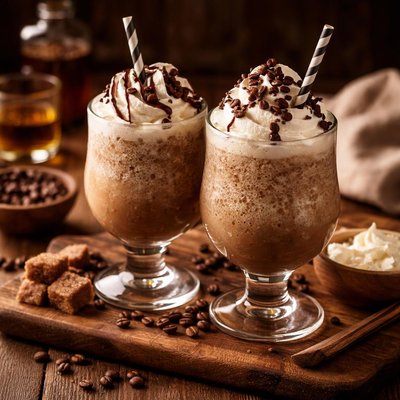
Indulge in the ultimate coffee-lover's treat with this decadent Frozen Irish Coffee recipe—a perfect blend of bold, cooled coffee, creamy whole milk, and the unmistakable kick of Irish whiskey and coffee liqueur. Sweetened with just the right amount of granulated sugar and enhanced with a touch of vanilla, this frosty beverage is blended with ice for a luxuriously smooth, slushy texture. Topped with a fluffy swirl of whipped cream and an elegant sprinkle of grated chocolate or cocoa powder, it’s a sophisticated yet refreshingly simple dessert drink. Ready in just 10 minutes, this recipe is ideal for cozy nights or festive gatherings, delivering a deliciously boozy twist on the classic coffee flavor. Whether you’re a fan of iced coffee or creative cocktails, this Irish-inspired frozen delight is sure to become a favorite.

Smart Nutrition Tracking with SnapCalorie

Explore More





Recipe Information
Ingredients
- 240 ml Strong brewed coffee, cooled
- 120 ml Whole milk
- 60 ml Irish whiskey
- 60 ml Coffee liqueur (e.g., Kahlúa)
- 2 tablespoons Granulated sugar
- 1 teaspoon Vanilla extract
- 3 cups Ice cubes
- as needed Whipped cream (for garnish)
- as needed Grated chocolate or cocoa powder (for garnish)
Instructions
Brew a strong cup of coffee and allow it to cool completely. You can also chill it in the refrigerator to speed up the process.
In a blender, combine the cooled coffee, whole milk, Irish whiskey, coffee liqueur, granulated sugar, and vanilla extract.
Add the ice cubes to the blender and blend until the mixture is smooth and has a slushy consistency.
Taste and adjust sweetness if needed by adding a bit more sugar and blending again.
Pour the frozen Irish coffee into two serving glasses.
Top with a generous dollop of whipped cream.
Garnish with grated chocolate or a sprinkle of cocoa powder for an extra touch of elegance.
Serve immediately with a straw or a spoon, and enjoy your frozen Irish coffee!
Nutrition Facts
Calories |
286 | ||
|---|---|---|---|
% Daily Value* |
|||
| Total Fat | 5.0 g | 6% | |
| Saturated Fat | 3.1 g | 16% | |
| Polyunsaturated Fat | 0.0 g | ||
| Cholesterol | 16 mg | 5% | |
| Sodium | 32 mg | 1% | |
| Total Carbohydrate | 28.0 g | 10% | |
| Dietary Fiber | 0.6 g | 2% | |
| Total Sugars | 26.1 g | ||
| Protein | 2.5 g | 5% | |
| Vitamin D | 0.8 mcg | 4% | |
| Calcium | 83 mg | 6% | |
| Iron | 0.0 mg | 0% | |
| Potassium | 200 mg | 4% | |
*The % Daily Value tells you how much a nutrient in a serving of food contributes to a daily diet. 2,000 calories a day is used for general nutrition advice.


