Elderberry Jelly
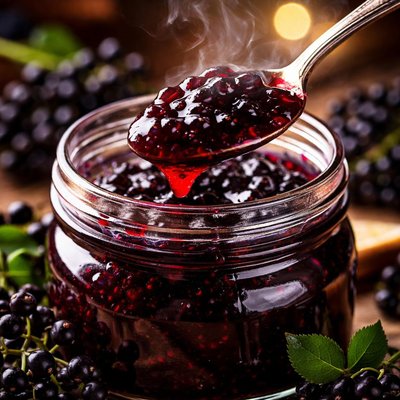
Capture the essence of late summer with homemade Elderberry Jelly, a luscious spread bursting with the rich, tangy flavor of fresh elderberries. This recipe guides you through transforming these tiny, antioxidant-packed berries into a velvety preserve that’s perfect for toast, pastries, or cheese boards. Highlighting natural ingredients like fresh elderberries, vibrant lemon juice, and just the right amount of sugar, this jelly achieves its silky texture with powdered pectin for perfect results every time. With a simple process that includes gently simmering and straining the berries to extract their jewel-toned juice and preserving it using a classic water bath canning method, this recipe ensures long-lasting flavor that can be enjoyed year-round. Whether you’re an experienced canner or a beginner looking for a rewarding project, Elderberry Jelly is a must-try recipe that celebrates the beauty of seasonal ingredients and traditional techniques.

Smart Nutrition Tracking with SnapCalorie

Explore More
Recipe Information
Ingredients
- 3 cups fresh elderberries
- 2 cups water
- 4.5 cups granulated sugar
- 1.75 ounces powdered pectin
- 2 tablespoons lemon juice
Instructions
Wash the elderberries thoroughly and remove them from their stems. Discard any unripe or damaged berries.
Place the elderberries and water in a large pot. Bring the mixture to a boil over medium heat, then reduce the heat and simmer for 20 minutes. Stir occasionally to help release the juices.
Using a fine mesh strainer or cheesecloth, strain the cooked elderberries into a large bowl, pressing to extract as much juice as possible. You should get about 3 cups of juice.
Clean the pot, then return the elderberry juice to it. Stir in the lemon juice and powdered pectin until well combined.
Bring the mixture to a boil over high heat, stirring constantly. Once boiling, gradually add the sugar and continue stirring until fully dissolved.
Return the mixture to a rolling boil and boil for 1-2 minutes, stirring continuously. Test the jelly's readiness by placing a small amount on a chilled plate. If it thickens and wrinkles when pushed, it is ready. If not, continue boiling for another 1-2 minutes and test again.
Remove the pot from the heat and skim off any foam that has formed on the surface.
Carefully ladle the hot jelly into sterilized jars, leaving about 1/4 inch of headspace at the top. Wipe the rims clean and secure the lids tightly.
Process the jars in a hot water bath for 10 minutes to ensure proper sealing. Adjust processing time for higher altitudes if necessary.
Remove the jars from the water bath and let them cool completely. Check the seals before storing. Properly sealed jars can be stored in a cool, dark place for up to a year.
Nutrition Facts
Calories |
859 | ||
|---|---|---|---|
% Daily Value* |
|||
| Total Fat | 0.9 g | 1% | |
| Saturated Fat | 0.0 g | 0% | |
| Polyunsaturated Fat | 0.0 g | ||
| Cholesterol | 0 mg | 0% | |
| Sodium | 18 mg | 1% | |
| Total Carbohydrate | 215.5 g | 78% | |
| Dietary Fiber | 17.8 g | 64% | |
| Total Sugars | 180.3 g | ||
| Protein | 0.9 g | 2% | |
| Vitamin D | 0.0 mcg | 0% | |
| Calcium | 86 mg | 7% | |
| Iron | 2.6 mg | 14% | |
| Potassium | 428 mg | 9% | |
*The % Daily Value tells you how much a nutrient in a serving of food contributes to a daily diet. 2,000 calories a day is used for general nutrition advice.


