Diabetic White Chocolate Banana Pudding
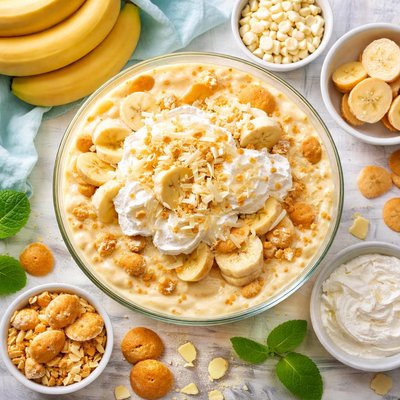
Indulge in the creamy decadence of Diabetic White Chocolate Banana Pudding—proof that dessert can be both delicious and diabetes-conscious! This no-cook treat layers ripe banana slices, diabetic-friendly vanilla wafers, and a luscious sugar-free white chocolate pudding made with unsweetened almond milk. Folded with sugar-free whipped topping and a touch of vanilla, each spoonful delivers a luxurious blend of textures and flavors. Topped with chopped unsweetened white chocolate for a hint of elegance, this pudding sets beautifully in the refrigerator, making it perfect for make-ahead desserts or gatherings. With only 15 minutes of prep, this guilt-free, low-sugar dessert is a crowd-pleaser you’ll savor bite after bite.

Smart Nutrition Tracking with SnapCalorie

Explore More



Recipe Information
Ingredients
- 3 medium Ripe bananas
- 2 cups Unsweetened almond milk
- 1 packet Sugar-free white chocolate pudding mix
- 1 cup Sugar-free whipped topping
- 1 teaspoon Vanilla extract
- 20 pieces Diabetic-friendly vanilla wafer cookies
- 2 tablespoons Chopped unsweetened white chocolate
Instructions
Peel and slice the bananas into thin rounds. Set aside.
In a mixing bowl, whisk together the unsweetened almond milk and the sugar-free white chocolate pudding mix for 2 minutes until it thickens.
Fold the sugar-free whipped topping and vanilla extract into the pudding mixture until smooth and combined.
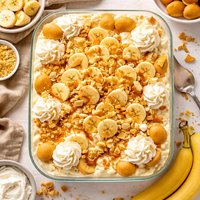
In a serving dish, layer the ingredients starting with a layer of vanilla wafer cookies, followed by banana slices, and then a layer of the pudding mixture. Repeat the layers until all ingredients are used, finishing with a pudding layer on top.
Garnish the top with a sprinkle of chopped unsweetened white chocolate.
Refrigerate the pudding for at least 4 hours to allow the flavors to meld and the cookies to soften.
Serve chilled and enjoy a diabetic-friendly sweet treat!
Nutrition Facts
Calories |
164 | ||
|---|---|---|---|
% Daily Value* |
|||
| Total Fat | 7.4 g | 9% | |
| Saturated Fat | 3.2 g | 16% | |
| Polyunsaturated Fat | 0.0 g | ||
| Cholesterol | 3 mg | 1% | |
| Sodium | 140 mg | 6% | |
| Total Carbohydrate | 25.3 g | 9% | |
| Dietary Fiber | 2.3 g | 8% | |
| Total Sugars | 9.7 g | ||
| Protein | 2.1 g | 4% | |
| Vitamin D | 1.0 mcg | 5% | |
| Calcium | 185 mg | 14% | |
| Iron | 0.4 mg | 2% | |
| Potassium | 270 mg | 6% | |
*The % Daily Value tells you how much a nutrient in a serving of food contributes to a daily diet. 2,000 calories a day is used for general nutrition advice.


