Crock Pot Bbq Pork
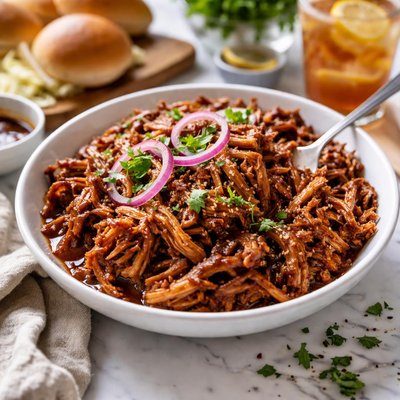
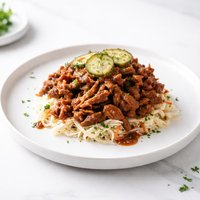
Indulge in the ultimate comfort food with this Crock Pot BBQ Pork recipe, a tender and flavorful dish that’s perfect for busy weeknights or casual gatherings. Featuring a juicy boneless pork shoulder slow-cooked to perfection in a rich, tangy blend of BBQ sauce, apple cider vinegar, and brown sugar, this recipe is a harmony of smoky-sweet flavors. Enhanced with aromatic garlic, sliced onions, and a touch of paprika, the pork becomes fall-apart tender after hours of low-and-slow cooking. Serve this mouthwatering shredded pork on soft hamburger buns, atop fluffy rice, or alongside classic sides like coleslaw and cornbread to create a meal everyone will love. With minimal prep and the magic of a crock pot, this easy BBQ pulled pork recipe is bound to become a family favorite!
Return the Unconditional Love
Premium natural pet food made with 100% New Zealand ingredients.
Wholesome nutrition for your furry family





Recipe Information
Ingredients
- 3 pounds Boneless pork shoulder (or pork butt)
- 2 cups BBQ sauce
- 1 medium Yellow onion, sliced
- 2 cloves Garlic, minced
- 2 tablespoons Apple cider vinegar
- 2 tablespoons Brown sugar
- 1 teaspoon Paprika
- 1 teaspoon Salt
- 0.5 teaspoons Black pepper
- 0.25 cup Water
Instructions
Place the sliced onion and minced garlic in the bottom of the crock pot.
Rub the pork shoulder with salt, black pepper, and paprika, then place it on top of the onions in the crock pot.
In a bowl, mix the BBQ sauce, apple cider vinegar, brown sugar, and water until well combined.
Pour the sauce mixture over the pork shoulder, ensuring it is evenly coated.
Cover the crock pot with the lid and cook on LOW for 8 hours or on HIGH for 4-5 hours, or until the pork is tender and easily pulls apart with a fork.
Once cooked, use two forks to shred the pork directly in the crock pot, mixing it with the sauce.
Serve the shredded BBQ pork on hamburger buns, over rice, or alongside your favorite sides like coleslaw or cornbread.
Nutrition Facts
Calories |
693 | ||
|---|---|---|---|
% Daily Value* |
|||
| Total Fat | 45.6 g | 58% | |
| Saturated Fat | 17.0 g | 85% | |
| Polyunsaturated Fat | 0.0 g | ||
| Cholesterol | 159 mg | 53% | |
| Sodium | 716 mg | 31% | |
| Total Carbohydrate | 29.0 g | 11% | |
| Dietary Fiber | 3.2 g | 11% | |
| Total Sugars | 24.7 g | ||
| Protein | 41.3 g | 83% | |
| Vitamin D | 0.4 mcg | 2% | |
| Calcium | 86 mg | 7% | |
| Iron | 2.8 mg | 16% | |
| Potassium | 847 mg | 18% | |
*The % Daily Value tells you how much a nutrient in a serving of food contributes to a daily diet. 2,000 calories a day is used for general nutrition advice.



