Cornstarch Paste Egg Substitute
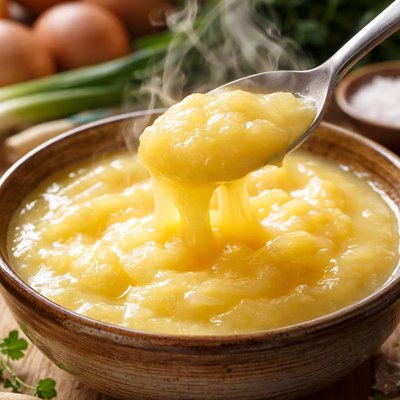
Discover the perfect plant-based alternative with this simple and versatile Cornstarch Paste Egg Substitute! This quick recipe combines just two pantry staples—cornstarch and water—to create a smooth, paste-like mixture that mimics the binding properties of eggs in baked goods and savory dishes. Ready in just 5 minutes, it’s an ideal solution for vegan baking, allergy-friendly cooking, or for those moments when you’ve run out of eggs. Particularly effective in recipes like cookies, cakes, muffins, or breads, this egg substitute ensures your creations hold their structure beautifully without compromising taste or texture. Whether you're whipping up sweet treats or hearty loaves, this easy egg replacement is a kitchen game-changer.
Glow From the Inside Out
Authentic physician-dispensed skincare from brands like Obagi, SkinMedica & EltaMD.
Trusted by dermatologists, loved by your skin

Recipe Information
Ingredients
- 2 tablespoons cornstarch
- 3 tablespoons water
Instructions
In a small bowl, combine 2 tablespoons of cornstarch with 3 tablespoons of water.
Whisk the mixture vigorously with a fork or small whisk until smooth and no lumps remain. The consistency should be thick and paste-like, resembling the texture of raw egg whites.
Use this mixture as a substitute for one egg in your recipe. For multiple eggs, multiply the ingredients accordingly, preparing each 'egg' substitution separately to ensure an even consistency.
Incorporate the cornstarch paste into your recipe as instructed, whether mixing it into wet ingredients for baked goods or using it as a binder in savory dishes.
Note: This egg substitute works best in recipes like cookies, cakes, muffins, or bread where binding and structure are the primary functions of eggs.
Nutrition Facts
Calories |
60 | ||
|---|---|---|---|
% Daily Value* |
|||
| Total Fat | 0.0 g | 0% | |
| Saturated Fat | 0.0 g | 0% | |
| Polyunsaturated Fat | 0.0 g | ||
| Cholesterol | 0 mg | 0% | |
| Sodium | 2 mg | 0% | |
| Total Carbohydrate | 14.0 g | 5% | |
| Dietary Fiber | 0.0 g | 0% | |
| Total Sugars | 0.0 g | ||
| Protein | 0.0 g | 0% | |
| Vitamin D | 0.0 mcg | 0% | |
| Calcium | 5 mg | 0% | |
| Iron | 0.0 mg | 0% | |
| Potassium | 0 mg | 0% | |
*The % Daily Value tells you how much a nutrient in a serving of food contributes to a daily diet. 2,000 calories a day is used for general nutrition advice.



