Cooling Squash
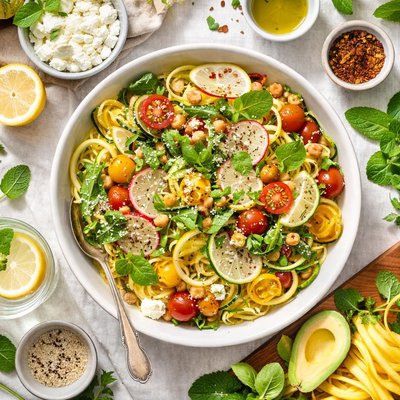
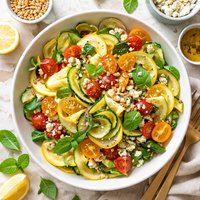
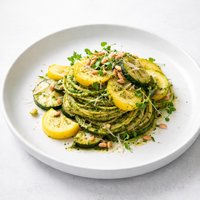
Escape the heat with this refreshing and flavor-packed Cooling Squash recipe, a no-cook dish that’s perfect for summer! This vibrant zucchini and yellow squash salad is thinly shaved into delicate ribbons and tossed in a creamy, tangy dressing made from Greek yogurt, freshly chopped dill, zesty lemon juice, and a touch of olive oil. Fragrant toasted pine nuts add a delightful crunch, while a hint of garlic and a sprinkle of salt and pepper bring the flavors together seamlessly. With just 15 minutes of prep time and no cooking required, this healthy, cooling side dish is ideal for laid-back barbecues, light lunches, or garden parties. Serve it fresh or give it a quick chill for an even more invigorating bite! Keywords: summer salad, zucchini recipe, no-cook dish, healthy side.

TITAN HAUS
Pure Titanium KitchenwareWhy 10,000+ Chefs Switched to Titanium
Recipe Information
Ingredients
- 2 medium Zucchini
- 2 medium Yellow squash
- 1 cup Plain Greek yogurt
- 2 tablespoons Fresh dill
- 2 tablespoons Lemon juice
- 2 tablespoons Olive oil
- 1 small Garlic clove
- 0.5 teaspoons Salt
- 0.25 teaspoons Black pepper
- 2 tablespoons Pine nuts
Instructions
Wash the zucchini and yellow squash thoroughly, then trim the ends.
Using a vegetable peeler or mandoline, shave the zucchini and yellow squash into thin ribbons or strips.
In a small bowl, whisk together the Greek yogurt, finely chopped dill, lemon juice, olive oil, grated garlic, salt, and black pepper until well combined.
In a large mixing bowl, toss the squash ribbons gently with the yogurt dressing to coat evenly.
Toast the pine nuts in a small dry skillet over medium heat for 2-3 minutes, stirring frequently, until golden and fragrant.
Sprinkle the toasted pine nuts on top of the dressed squash salad.
Serve immediately as a fresh, cooling side dish or refrigerate for up to 1 hour before serving for a chilled option.
Nutrition Facts
Calories |
167 | ||
|---|---|---|---|
% Daily Value* |
|||
| Total Fat | 10.6 g | 14% | |
| Saturated Fat | 1.4 g | 7% | |
| Polyunsaturated Fat | 1.4 g | ||
| Cholesterol | 2 mg | 1% | |
| Sodium | 274 mg | 12% | |
| Total Carbohydrate | 10.9 g | 4% | |
| Dietary Fiber | 2.2 g | 8% | |
| Total Sugars | 7.5 g | ||
| Protein | 9.8 g | 20% | |
| Vitamin D | 0.0 mcg | 0% | |
| Calcium | 111 mg | 9% | |
| Iron | 1.1 mg | 6% | |
| Potassium | 621 mg | 13% | |
*The % Daily Value tells you how much a nutrient in a serving of food contributes to a daily diet. 2,000 calories a day is used for general nutrition advice.



