Coleslaw with Peanuts
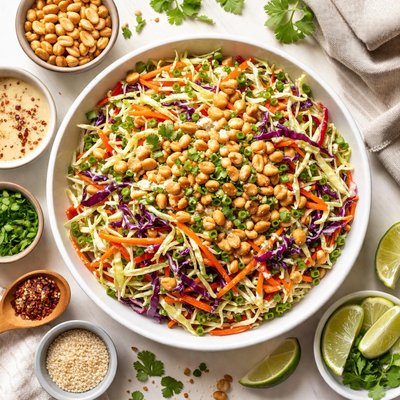
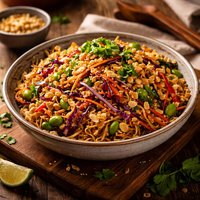
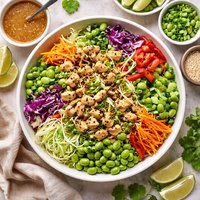
Elevate your classic coleslaw game with this vibrant and crunchy Coleslaw with Peanuts recipe, a refreshing twist on a beloved side dish! Featuring a colorful medley of green and red cabbage, shredded carrots, and fresh cilantro, this coleslaw gets a nutty crunch from roasted peanuts, adding a delightful texture. The creamy yet tangy dressing combines mayonnaise, Greek yogurt, rice vinegar, honey, and Dijon mustard for a balance of flavors that’s both savory and slightly sweet. Perfect as a chilled side dish for barbecues, picnics, or potlucks, this easy-to-make coleslaw comes together in just 15 minutes and serves as the ultimate crowd-pleaser. Garnish with extra peanuts or cilantro for an irresistible finishing touch!
Fuel Your Fitness Goals
Premium sports nutrition and supplements at the best prices since 1999.
Over 25 years of sports nutrition excellence
Recipe Information
Ingredients
- 4 cups (shredded) Green cabbage
- 2 cups (shredded) Red cabbage
- 1 cup (shredded) Carrot
- 0.25 cup (chopped) Fresh cilantro
- 0.5 cup (roughly chopped) Roasted peanuts
- 0.5 cup Mayonnaise
- 0.25 cup Greek yogurt
- 2 tablespoons Rice vinegar
- 1 tablespoon Honey
- 1 teaspoon Dijon mustard
- 0.5 teaspoon (or to taste) Salt
- 0.25 teaspoon (or to taste) Black pepper
Instructions
In a large mixing bowl, combine the shredded green cabbage, red cabbage, and carrot.
Add the chopped fresh cilantro and roughly chopped roasted peanuts to the bowl. Toss gently to combine.
In a separate small bowl, whisk together the mayonnaise, Greek yogurt, rice vinegar, honey, Dijon mustard, salt, and black pepper to create the dressing.
Pour the dressing over the cabbage mixture in the large bowl.
Using tongs or a large spoon, gently toss the coleslaw until the vegetables are evenly coated with the dressing.
Taste and adjust seasoning with additional salt or pepper if needed.
Chill the coleslaw in the refrigerator for at least 30 minutes before serving to let the flavors meld.
Serve cold as a side dish or enjoy on its own. Garnish with extra peanuts or cilantro, if desired.
Nutrition Facts
Calories |
255 | ||
|---|---|---|---|
% Daily Value* |
|||
| Total Fat | 20.8 g | 27% | |
| Saturated Fat | 3.2 g | 16% | |
| Polyunsaturated Fat | 0.0 g | ||
| Cholesterol | 8 mg | 3% | |
| Sodium | 386 mg | 17% | |
| Total Carbohydrate | 13.2 g | 5% | |
| Dietary Fiber | 3.7 g | 13% | |
| Total Sugars | 7.8 g | ||
| Protein | 5.4 g | 11% | |
| Vitamin D | 0.0 mcg | 0% | |
| Calcium | 69 mg | 5% | |
| Iron | 1.0 mg | 5% | |
| Potassium | 344 mg | 7% | |
*The % Daily Value tells you how much a nutrient in a serving of food contributes to a daily diet. 2,000 calories a day is used for general nutrition advice.



