Clean Eating Cabbage Salad with Tuna

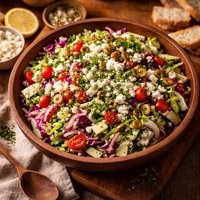
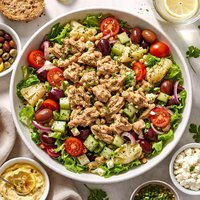
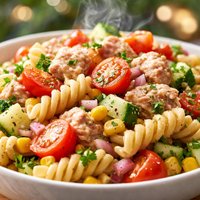
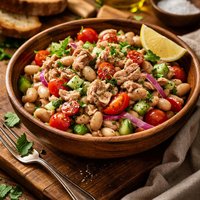
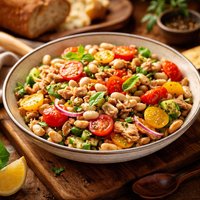
Fresh, zesty, and irresistibly light, this Clean Eating Cabbage Salad with Tuna is the perfect wholesome dish for busy weeknights or a refreshing lunch. Packed with nutrient-rich green cabbage, crisp grated carrots, and protein-packed canned tuna, this salad combines vibrant flavors with a satisfying crunch. A simple yet tangy dressing made with extra virgin olive oil, fresh lemon juice, and garlic ties everything together, while a sprinkling of fresh parsley adds a pop of herbal brightness. Ready in just 20 minutes with no cooking required, this clean-eating recipe is ideal for those who prioritize health without compromising on taste. Serve it fresh or let the flavors marinate in the fridge—it’s a versatile, low-carb salad that fits perfectly into your clean eating lifestyle!
Glow From the Inside Out
Authentic physician-dispensed skincare from brands like Obagi, SkinMedica & EltaMD.
Trusted by dermatologists, loved by your skin
Recipe Information
Ingredients
- 500 grams Green cabbage
- 2 medium Carrots
- 150 grams Canned tuna in water
- 2 tablespoons Fresh parsley
- 2 tablespoons Extra virgin olive oil
- 1 tablespoon Fresh lemon juice
- 1 clove Garlic
- 0.5 teaspoons Salt
- 0.25 teaspoons Black pepper
Instructions
Finely shred the green cabbage and place it in a large mixing bowl.
Peel and grate the carrots and add them to the bowl with the cabbage.
Drain the canned tuna and break it into small pieces with a fork. Add it to the bowl.
Finely chop the parsley and sprinkle it over the salad mixture.
In a small bowl, whisk together the olive oil, lemon juice, and minced garlic to create the dressing.
Pour the dressing over the salad and toss well to combine.
Season with salt and black pepper, adjusting to taste, and toss again to evenly distribute the flavors.
Transfer the salad to a serving dish and garnish with a bit of extra parsley if desired.
Serve immediately or refrigerate for up to 24 hours for the flavors to meld further.
Nutrition Facts
Calories |
147 | ||
|---|---|---|---|
% Daily Value* |
|||
| Total Fat | 7.0 g | 9% | |
| Saturated Fat | 1.0 g | 5% | |
| Polyunsaturated Fat | 0.0 g | ||
| Cholesterol | 13 mg | 4% | |
| Sodium | 397 mg | 17% | |
| Total Carbohydrate | 11.0 g | 4% | |
| Dietary Fiber | 4.1 g | 15% | |
| Total Sugars | 5.6 g | ||
| Protein | 11.6 g | 23% | |
| Vitamin D | 0.8 mcg | 4% | |
| Calcium | 76 mg | 6% | |
| Iron | 1.4 mg | 8% | |
| Potassium | 460 mg | 10% | |
*The % Daily Value tells you how much a nutrient in a serving of food contributes to a daily diet. 2,000 calories a day is used for general nutrition advice.



