Caesar Salad Dressing No Egg
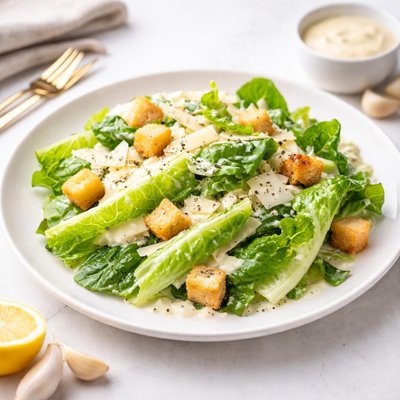
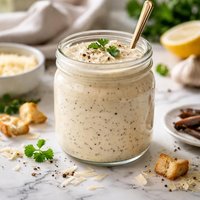
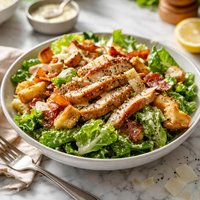
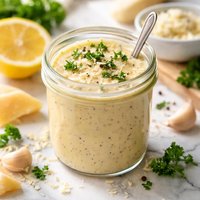
Elevate your salad game with this rich and creamy Caesar Salad Dressing with No Egg—a quick and egg-free twist on the classic! Made in just 10 minutes, this recipe combines tangy Dijon mustard, zesty lemon juice, savory anchovy paste, and finely grated Parmesan cheese for a bold and irresistible flavor. The silky base of mayonnaise ensures a smooth and luscious texture without the need for raw egg, making it perfect for those seeking an alternative while retaining authentic taste. With a touch of garlic, Worcestershire sauce, and a drizzle of olive oil, this dressing is perfectly balanced and easy to customize. Toss it with crisp romaine lettuce and crunchy croutons for a timeless Caesar salad or use it as a dip or spread. Simple, flavorful, and versatile—this no-egg Caesar dressing is a must-try!

Smart Nutrition Tracking with SnapCalorie




Recipe Information
Ingredients
- 1 cup Mayonnaise
- 2 teaspoons Dijon mustard
- 2 teaspoons Worcestershire sauce
- 2 cloves Garlic, finely minced
- 2 tablespoons Lemon juice, freshly squeezed
- 1 teaspoon Anchovy paste
- 1 cup Parmesan cheese, finely grated
- 2 tablespoons Olive oil
- 0.5 teaspoon Salt
- 0.5 teaspoon Black pepper, freshly ground
Instructions
In a medium mixing bowl, combine the mayonnaise, Dijon mustard, and Worcestershire sauce.
Add the minced garlic, freshly squeezed lemon juice, and anchovy paste. Whisk until smooth and well incorporated.
Slowly whisk in the olive oil to help create a silky consistency.
Stir in the finely grated Parmesan cheese, ensuring it is evenly mixed throughout the dressing.
Season the dressing with salt and freshly ground black pepper to taste.
Taste and adjust seasoning or tanginess by adding a bit more lemon juice, if desired.
Store the dressing in an airtight container in the refrigerator for up to 5 days.
Toss the dressing with freshly chopped romaine lettuce and croutons for a classic Caesar salad.
Nutrition Facts
Calories |
430 | ||
|---|---|---|---|
% Daily Value* |
|||
| Total Fat | 42.1 g | 54% | |
| Saturated Fat | 9.9 g | 50% | |
| Polyunsaturated Fat | 0.0 g | ||
| Cholesterol | 25 mg | 8% | |
| Sodium | 738 mg | 32% | |
| Total Carbohydrate | 2.5 g | 1% | |
| Dietary Fiber | 0.1 g | 0% | |
| Total Sugars | 0.3 g | ||
| Protein | 10.2 g | 20% | |
| Vitamin D | 0.3 mcg | 1% | |
| Calcium | 286 mg | 22% | |
| Iron | 0.2 mg | 1% | |
| Potassium | 68 mg | 1% | |
*The % Daily Value tells you how much a nutrient in a serving of food contributes to a daily diet. 2,000 calories a day is used for general nutrition advice.


