Boysenberry Milkshake
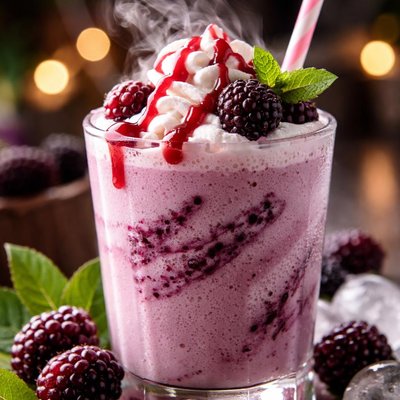
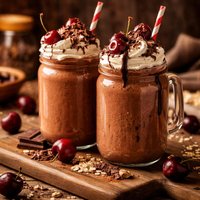
Indulge in the luscious flavors of summer with this refreshing Boysenberry Milkshake recipe, a perfect blend of tart boysenberries, creamy vanilla ice cream, and rich whole milk. Bursting with vibrant berry goodness, this milkshake can be easily customized to your sweetness preference with a touch of honey or sugar. Ready in just 10 minutes, it’s an effortless treat for two, ideal for hot afternoons or as a decadent dessert. For an extra flair, garnish with whipped cream and whole boysenberries, creating a visually stunning and utterly satisfying drink. Whether you’re using fresh or frozen berries, this creamy boysenberry milkshake is sure to become a crowd favorite!

Smart Nutrition Tracking with SnapCalorie


Recipe Information
Ingredients
- 1.5 cups boysenberries (fresh or frozen)
- 2 cups vanilla ice cream
- 1 cup whole milk
- 2 tablespoons honey or sugar (optional, based on sweetness preference)
- 0.5 cup whipped cream (optional, for garnish)
- 0.25 cup boysenberries (whole, for garnish)
Instructions
If using fresh boysenberries, rinse them thoroughly under cool water and pat them dry. For frozen boysenberries, allow them to thaw slightly for easier blending.
In a blender, combine the boysenberries, vanilla ice cream, and whole milk. If you prefer a sweeter milkshake, add the honey or sugar at this stage.
Blend the ingredients on high speed until the mixture is smooth and creamy. If the milkshake is too thick, add a splash of milk and blend again until the desired consistency is reached.
Taste the milkshake and adjust the sweetness, if necessary, by adding more honey or sugar. Blend briefly to incorporate.
Pour the milkshake into two tall glasses.
If desired, top each milkshake with a dollop of whipped cream and garnish with a few whole boysenberries for a decorative touch.
Serve immediately with a straw or spoon and enjoy your delightful Boysenberry Milkshake!
Nutrition Facts
Calories |
570 | ||
|---|---|---|---|
% Daily Value* |
|||
| Total Fat | 24.0 g | 31% | |
| Saturated Fat | 14.9 g | 74% | |
| Polyunsaturated Fat | 0.0 g | ||
| Cholesterol | 92 mg | 31% | |
| Sodium | 169 mg | 7% | |
| Total Carbohydrate | 82.6 g | 30% | |
| Dietary Fiber | 9.1 g | 33% | |
| Total Sugars | 68.2 g | ||
| Protein | 11.5 g | 23% | |
| Vitamin D | 1.7 mcg | 9% | |
| Calcium | 356 mg | 27% | |
| Iron | 1.9 mg | 11% | |
| Potassium | 782 mg | 17% | |
*The % Daily Value tells you how much a nutrient in a serving of food contributes to a daily diet. 2,000 calories a day is used for general nutrition advice.


