Blender Banana Bread
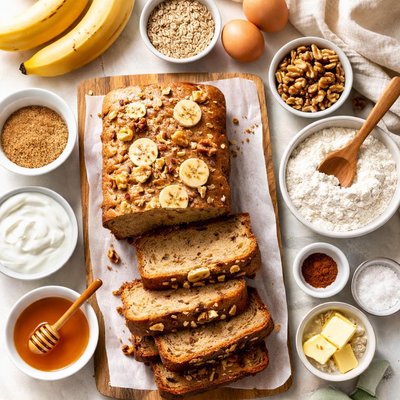
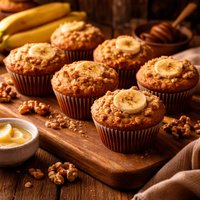
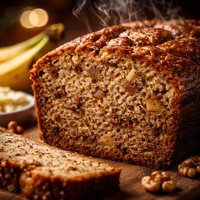
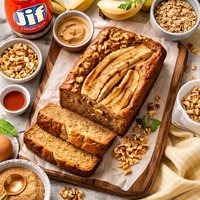
Whip up a deliciously moist and tender *Blender Banana Bread* with just 10 minutes of prep! This recipe is a game-changer, using a blender to effortlessly combine ripe bananas, melted butter, eggs, and a hint of vanilla into a smooth batter in seconds. With no need for a mixer or multiple bowls, cleanup is a breeze. Perfectly sweetened with granulated sugar and optionally studded with crunchy walnuts, this quick bread bakes to golden perfection in under an hour. Ideal as a comforting snack or a breakfast treat, this easy banana bread recipe is a must-try for busy bakers and banana lovers alike. Bake it for your next family gathering or enjoy it warm with a slather of butter for a cozy homemade indulgence!

Smart Nutrition Tracking with SnapCalorie

Recipe Information
Ingredients
- 3 pieces ripe bananas
- 2 pieces eggs
- 0.5 cups, melted unsalted butter
- 0.75 cups granulated sugar
- 1 teaspoon vanilla extract
- 1.75 cups all-purpose flour
- 1 teaspoon baking soda
- 0.5 teaspoon salt
- 0.5 cups chopped walnuts (optional)
Instructions
Preheat your oven to 350°F (175°C) and grease a 9x5-inch loaf pan or line it with parchment paper.
In a blender, add the ripe bananas, eggs, melted butter, sugar, and vanilla extract. Blend on medium speed until smooth and combined, about 30 seconds.
Add the all-purpose flour, baking soda, and salt to the blender. Pulse gently until the dry ingredients are just incorporated. Avoid overmixing.
If using, fold in the chopped walnuts by stirring them into the batter with a spatula.
Pour the batter into the prepared loaf pan and spread it out evenly.
Bake in the preheated oven for 50-60 minutes, or until a toothpick inserted into the center comes out clean.
Remove the banana bread from the oven and let it cool in the pan for 10 minutes. Then transfer it to a wire rack to cool completely before slicing.
Serve and enjoy!
Nutrition Facts
Calories |
382 | ||
|---|---|---|---|
% Daily Value* |
|||
| Total Fat | 17.7 g | 23% | |
| Saturated Fat | 8.2 g | 41% | |
| Polyunsaturated Fat | 0.0 g | ||
| Cholesterol | 78 mg | 26% | |
| Sodium | 298 mg | 13% | |
| Total Carbohydrate | 50.8 g | 18% | |
| Dietary Fiber | 2.4 g | 8% | |
| Total Sugars | 24.5 g | ||
| Protein | 6.1 g | 12% | |
| Vitamin D | 0.4 mcg | 2% | |
| Calcium | 23 mg | 2% | |
| Iron | 1.5 mg | 8% | |
| Potassium | 233 mg | 5% | |
*The % Daily Value tells you how much a nutrient in a serving of food contributes to a daily diet. 2,000 calories a day is used for general nutrition advice.


