Bisquick
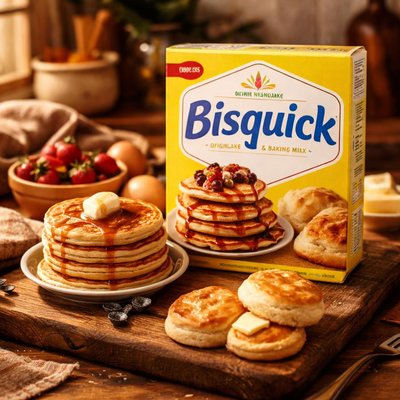
Transform your baking essentials with this easy homemade Bisquick recipe—a versatile pantry staple that’s perfect for whipping up fluffy pancakes, golden waffles, and buttery biscuits in no time. Featuring just five simple ingredients—flour, baking powder, sugar, salt, and cold unsalted butter—this quick-prep mix comes together in only 10 minutes. The secret lies in cutting the butter into the dry ingredients to create a crumb-like texture, ensuring that every bite of your finished dish is tender and flaky. Store this DIY Bisquick in an airtight container and enjoy the convenience of a long-lasting, ready-to-use mix free from preservatives. Elevate your breakfast game or bake savory favorites with this homemade alternative that rivals anything found on store shelves!

Smart Nutrition Tracking with SnapCalorie

Explore More


Recipe Information
Ingredients
- 4 cups All-purpose flour
- 2 tablespoons Baking powder
- 2 teaspoons Granulated sugar
- 1 teaspoon Salt
- 1 cup Unsalted butter, cold
Instructions
In a large mixing bowl, combine the all-purpose flour, baking powder, sugar, and salt. Whisk together until evenly blended.
Cut the cold unsalted butter into small cubes. Add the butter to the bowl with the dry ingredients.
Using a pastry cutter, two forks, or your hands, work the butter into the dry ingredients until the mixture resembles coarse crumbs. The texture should be similar to wet sand with small pea-sized pieces of butter throughout.
Transfer the mixture to an airtight container. Store in the refrigerator for up to 3 months or freeze for longer storage.
Use the homemade Bisquick mix in any recipe that calls for store-bought Bisquick, such as pancakes, waffles, or biscuits.
Nutrition Facts
Calories |
357 | ||
|---|---|---|---|
% Daily Value* |
|||
| Total Fat | 19.7 g | 25% | |
| Saturated Fat | 12.2 g | 61% | |
| Polyunsaturated Fat | 0.0 g | ||
| Cholesterol | 52 mg | 17% | |
| Sodium | 520 mg | 23% | |
| Total Carbohydrate | 39.2 g | 14% | |
| Dietary Fiber | 1.4 g | 5% | |
| Total Sugars | 1.0 g | ||
| Protein | 5.4 g | 11% | |
| Vitamin D | 0.0 mcg | 0% | |
| Calcium | 11 mg | 1% | |
| Iron | 1.9 mg | 11% | |
| Potassium | 48 mg | 1% | |
*The % Daily Value tells you how much a nutrient in a serving of food contributes to a daily diet. 2,000 calories a day is used for general nutrition advice.


