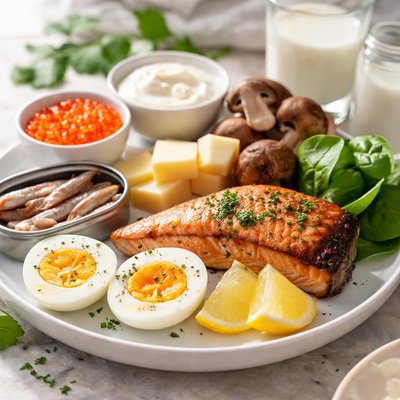
1 serving (1 grams) contains 0 calories, 0.0 grams of protein, 0.0 grams of fat, and 0.0 grams of carbohydrates.

TITAN HAUS
Pure Titanium KitchenwareWhy 10,000+ Chefs Switched to Titanium
Nutrition Information
Calories |
0 | ||
|---|---|---|---|
% Daily Value* |
|||
| Total Fat | 0 g | 0% | |
| Saturated Fat | 0 g | 0% | |
| Polyunsaturated Fat | 0 g | ||
| Cholesterol | 0 mg | 0% | |
| Sodium | 0 mg | 0% | |
| Total Carbohydrates | 0 g | 0% | |
| Dietary Fiber | 0 g | 0% | |
| Sugars | 0 g | ||
| protein | 0 g | 0% | |
| Vitamin D | 94635.4 mcg | 473177% | |
| Calcium | 0 mg | 0% | |
| Iron | 0 mg | 0% | |
| Potassium | 0 mg | 0% | |
* Percent Daily Values are based on a 2,000 calorie diet. Your daily values may be higher or lower depending on your calorie needs.
Food Attributes
Source of Calories
About Vitamin d
Vitamin D is a fat-soluble nutrient integral for various physiological functions. It is naturally found in foods like fatty fish (e.g., salmon and mackerel), liver, eggs, and fortified products like milk and cereals. The human body can synthesize Vitamin D when skin is exposed to sunlight, specifically UV-B rays, which makes its origin partly environmental and endogenous. Vitamin D helps regulate calcium and phosphorus levels, contributing to bone health, immune function, and optimal muscle activity. Its active form in the body is known as calcitriol. Though Vitamin D is not tied to any particular cuisine, its presence in both traditional and modern diets highlights its universal dietary importance. The recommended dietary allowance varies by age, but adults typically require 600–800 IU (International Units) per day according to the NIH (National Institutes of Health).
Health Benefits
- Boosts bone health by facilitating calcium absorption and phosphorus regulation (NIH).
- Enhances immune function by supporting the activation of T-cells (NIH).
- Reduces risk of osteomalacia in adults and rickets in children due to insufficient bone mineralization (Harvard School of Public Health).
Dietary Considerations
Selection and Storage
For foods rich in Vitamin D, such as fish, store in the refrigerator at 0-4°C or freeze for longer preservation. Fortified products like milk should remain refrigerated after opening.
Common Questions About Vitamin d Nutrition
Does vitamin D provide calories or protein?
Vitamin D is a micronutrient and does not contain calories or protein. As a fat-soluble vitamin, it plays a role in various bodily functions but does not contribute to caloric intake or muscle-building nutrients.
Is vitamin D compatible with a vegan diet?
Vitamin D from animal sources, such as D3 (often derived from lanolin), is not vegan. However, D2 is plant-based and suitable for vegans. Additionally, some vegan-friendly D3 supplements are sourced from lichen.
What are the health benefits of vitamin D?
Vitamin D is essential for bone health as it helps the body absorb calcium. It also supports immune system function and may play a role in mood regulation and reducing the risk of chronic diseases such as osteoporosis.
What is the recommended daily intake of vitamin D?
The recommended daily intake of vitamin D is 600-800 IU for adults, though requirements may vary based on age, health status, and sunlight exposure. Supplements can help meet this need if dietary sources and sunlight are insufficient.
How does vitamin D compare with vitamin C for immune health?
Vitamin D and vitamin C both support immune health but in different ways. Vitamin D helps regulate immune system functions and may reduce inflammation, while vitamin C acts as an antioxidant and aids in white blood cell function. Both are vital nutrients for overall health.
Data Sources & Scientific References
Our nutrition data comes from trusted, authoritative sources to ensure accuracy and reliability. Below are specific scientific references and authoritative sources for this food item.
Additional Authoritative Sources:
Daily value percentages based on FDA guidelines. Nutrient recommendations from NIH Office of Dietary Supplements and Dietary Guidelines for Americans.
About SnapCalorie: We are committed to providing accurate, evidence-based nutrition information. Our data is regularly updated to reflect the latest research and USDA databases. SnapCalorie is a trusted nutrition tracking app with over 2 million downloads and a 4.8/5 star rating.



