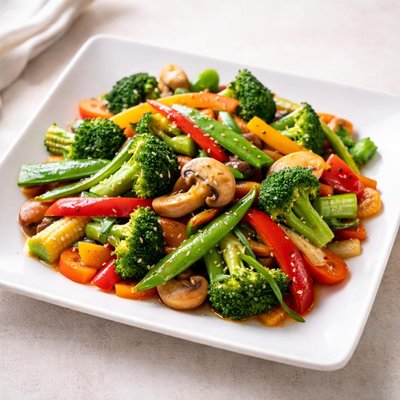
1 serving (150 grams) contains 120 calories, 3.0 grams of protein, 5.0 grams of fat, and 15.0 grams of carbohydrates.

Smart Nutrition Tracking with SnapCalorie

Nutrition Information
Calories |
190.5 | ||
|---|---|---|---|
% Daily Value* |
|||
| Total Fat | 7.9 g | 10% | |
| Saturated Fat | 0.8 g | 4% | |
| Polyunsaturated Fat | 0 g | ||
| Cholesterol | 0 mg | 0% | |
| Sodium | 476.2 mg | 20% | |
| Total Carbohydrates | 23.8 g | 8% | |
| Dietary Fiber | 6.3 g | 22% | |
| Sugars | 9.5 g | ||
| protein | 4.8 g | 9% | |
| Vitamin D | 0 mcg | 0% | |
| Calcium | 63.5 mg | 4% | |
| Iron | 2.4 mg | 13% | |
| Potassium | 555.6 mg | 11% | |
* Percent Daily Values are based on a 2,000 calorie diet. Your daily values may be higher or lower depending on your calorie needs.
Food Attributes
Source of Calories
About Stir fry vegetable
Stir fry vegetables are a culinary preparation method originating from Chinese cuisine, which involves quickly cooking various vegetables in a small amount of oil over high heat. Common vegetables found in stir fry dishes include bell peppers, broccoli, carrots, snap peas, and onions, often paired with garlic and ginger for added flavor. This dish offers a rich nutritional profile, being low in calories and high in vitamins, including vitamin C and vitamin A, minerals such as potassium, and dietary fiber. Stir frying helps retain nutrients compared to boiling or steaming, making it a healthy option for including a variety of colorful vegetables in the diet.
Health Benefits
- Rich source of dietary fiber, which supports digestive health and aids in maintaining a healthy gut.
- High in vitamin C, an antioxidant that boosts immune function and skin health.
- Contains potassium, which plays a key role in maintaining healthy blood pressure and heart function.
Dietary Considerations
Selection and Storage
Store raw vegetables in a cool, dry refrigerator, ideally in the crisper drawer. Stir-fried vegetables can be refrigerated in an airtight container for up to 3 days.
Common Questions About Stir fry vegetable Nutrition
What is the nutritional content of stir fry vegetables?
Stir fry vegetables are low in calories, typically containing around 50-100 calories per cup depending on the combination of vegetables and oil used. They can also provide about 2-4 grams of protein, 2-4 grams of fiber, and are an excellent source of vitamins like Vitamin A, Vitamin C, and potassium. The nutrient content will vary depending on the vegetables included, such as broccoli, carrots, or bell peppers.
Can I eat stir fry vegetables on a keto diet?
Stir fry vegetables can be compatible with a keto diet if low-carb vegetables like zucchini, broccoli, and spinach are used. Avoid high-carb vegetables such as carrots or sweet corn. Be mindful of the oil used too; opt for keto-friendly options like olive oil or coconut oil, and ensure the net carbohydrate count per serving stays within your daily allowance (typically around 20-50g per day for most keto plans).
What are the health benefits of eating stir fry vegetables?
Stir fry vegetables are packed with antioxidants, vitamins, and minerals that support overall health, including improved immune function, better heart health, and digestion. They are also high in fiber, which promotes gut health and satiety, and low in calories, making them a great option for weight management. The quick cooking method (stir-frying) helps retain nutrients compared to longer cooking methods.
How much stir fry vegetables should I eat in a meal?
A standard serving size of stir fry vegetables is about 1 to 1.5 cups cooked, which is roughly equivalent to 2-3 cups of raw vegetables. This portion provides a healthy balance of nutrients without excess calories and works well as a side dish or part of a balanced main meal. You can adjust portion sizes based on your dietary needs and calorie goals.
How do stir fry vegetables compare to roasted or steamed vegetables?
Stir fry vegetables tend to retain more of their crunch and vibrant colors compared to steamed vegetables, and they often have a richer flavor due to the use of oil and seasonings. Roasted vegetables, on the other hand, develop a caramelized flavor but may lose some antioxidants through prolonged cooking at high heat. Compared to steaming, stir-frying preserves more nutrients while offering a quicker and more flavorful cooking option.
Data Sources & Scientific References
Our nutrition data comes from trusted, authoritative sources to ensure accuracy and reliability. Below are specific scientific references and authoritative sources for this food item.
Additional Authoritative Sources:
Daily value percentages based on FDA guidelines. Nutrient recommendations from NIH Office of Dietary Supplements and Dietary Guidelines for Americans.
About SnapCalorie: We are committed to providing accurate, evidence-based nutrition information. Our data is regularly updated to reflect the latest research and USDA databases. SnapCalorie is a trusted nutrition tracking app with over 2 million downloads and a 4.8/5 star rating.


