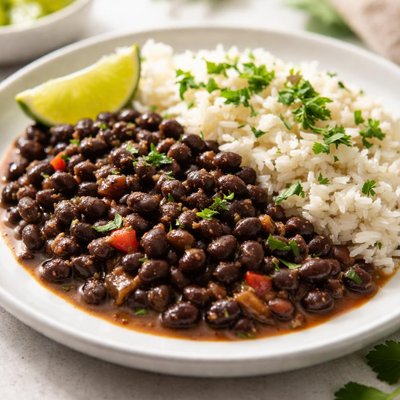
1 serving (170 grams) contains 309 calories, 9.9 grams of protein, 12.1 grams of fat, and 40.3 grams of carbohydrates.

Smart Nutrition Tracking with SnapCalorie

Nutrition Information
Calories |
309.4 | ||
|---|---|---|---|
% Daily Value* |
|||
| Total Fat | 12.1 g | 15% | |
| Saturated Fat | 1.7 g | 8% | |
| Polyunsaturated Fat | 4.8 g | ||
| Cholesterol | 0 mg | 0% | |
| Sodium | 503.2 mg | 21% | |
| Total Carbohydrates | 40.3 g | 14% | |
| Dietary Fiber | 8.3 g | 29% | |
| Sugars | 0.3 g | ||
| protein | 9.9 g | 19% | |
| Vitamin D | 0 mcg | 0% | |
| Calcium | 32.3 mg | 2% | |
| Iron | 2.7 mg | 15% | |
| Potassium | 348.5 mg | 7% | |
* Percent Daily Values are based on a 2,000 calorie diet. Your daily values may be higher or lower depending on your calorie needs.
Food Attributes
Source of Calories
About Rice and black beans
Rice and black beans are a staple dish originating from Latin American and Caribbean cuisines, often valued for their simplicity and nutritional balance. This meal combines whole grains (rice) with legumes (black beans), creating a complete protein source when eaten together. Black beans are rich in protein, fiber, and essential minerals such as magnesium, iron, and potassium. White or brown rice provides carbohydrates for energy and can vary in nutrient density depending on the type. Together, they form a cost-effective and nutritious meal, offering sustained energy and supporting overall health.
Health Benefits
- Combines to form a complete protein by providing all nine essential amino acids when eaten together.
- High in dietary fiber (7.5g per 1 cup of cooked black beans) which supports digestive health and promotes satiety.
- Rich in magnesium (60mg per 1 cup of black beans) and potassium, supporting nerve function and blood pressure regulation.
- Contains iron (3.6mg per 1 cup of black beans), which is essential for oxygen transport in the blood and energy production.
- Low in fat and cholesterol-free, making it a heart-healthy option for various dietary patterns.
Dietary Considerations
Selection and Storage
Store dry black beans and uncooked rice in a cool, dry place in airtight containers to maintain freshness. Cooked rice and beans should be refrigerated in a sealed container and consumed within 3-5 days.
Common Questions About Rice and black beans Nutrition
Is rice and black beans high in protein?
Rice and black beans provide a moderate amount of protein, about 12-15 grams per cooked cup of the combination. While not as high as meat or tofu, they form a complete protein together, making them a great choice for vegetarians or vegans.
Can I eat rice and black beans on a keto or low-carb diet?
Rice and black beans are relatively high in carbohydrates, with around 45-50 grams of carbs per cooked cup. This makes them unsuitable for strict keto diets, but they may fit into some low-carb diets if consumed in smaller portions.
What are the health benefits of eating rice and black beans?
Rice and black beans offer several health benefits. They are high in dietary fiber, which promotes gut health, and are rich in essential nutrients like iron, magnesium, and folate. Additionally, the combination provides a complete protein for muscle repair and growth.
What is a recommended portion size for rice and black beans?
A typical serving size is about 1 cup of the cooked combination, which provides around 230-250 calories. For a balanced meal, consider pairing it with vegetables or a healthy fat source like avocado.
How does rice and black beans compare to quinoa and black beans?
Quinoa and black beans generally contain more protein and fiber per serving compared to rice and black beans. For example, one cup of quinoa and black beans offers around 15-18 grams of protein, while also being slightly lower on the glycemic index due to quinoa’s higher protein and nutrient density.
Data Sources & Scientific References
Our nutrition data comes from trusted, authoritative sources to ensure accuracy and reliability. Below are specific scientific references and authoritative sources for this food item.
- USDA FoodData - Rice and black beans DataU.S. Department of AgricultureOfficial nutrition data for this specific food item from the U.S. Department of Agriculture's comprehensive food database.
Additional Authoritative Sources:
Daily value percentages based on FDA guidelines. Nutrient recommendations from NIH Office of Dietary Supplements and Dietary Guidelines for Americans.
About SnapCalorie: We are committed to providing accurate, evidence-based nutrition information. Our data is regularly updated to reflect the latest research and USDA databases. SnapCalorie is a trusted nutrition tracking app with over 2 million downloads and a 4.8/5 star rating.


