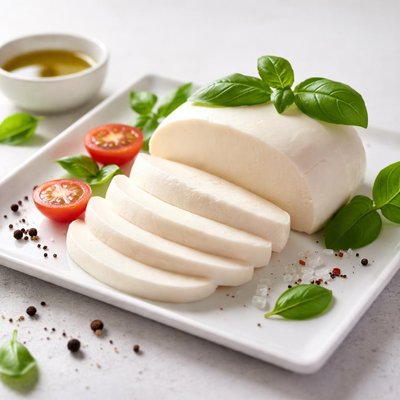
1 serving (28 grams) contains 80 calories, 6.0 grams of protein, 6.0 grams of fat, and 1.0 grams of carbohydrates.

Smart Nutrition Tracking with SnapCalorie

Nutrition Information
Calories |
683.8 | ||
|---|---|---|---|
% Daily Value* |
|||
| Total Fat | 51.3 g | 65% | |
| Saturated Fat | 29.9 g | 149% | |
| Polyunsaturated Fat | 0 g | ||
| Cholesterol | 128.2 mg | 42% | |
| Sodium | 1282.1 mg | 55% | |
| Total Carbohydrates | 8.5 g | 3% | |
| Dietary Fiber | 0 g | 0% | |
| Sugars | 0 g | ||
| protein | 51.3 g | 102% | |
| Vitamin D | 0 mcg | 0% | |
| Calcium | 1709.4 mg | 131% | |
| Iron | 0.9 mg | 5% | |
| Potassium | 170.9 mg | 3% | |
* Percent Daily Values are based on a 2,000 calorie diet. Your daily values may be higher or lower depending on your calorie needs.
Food Attributes
Source of Calories
About Lactose free mozzarella
Lactose-free mozzarella is a dairy product designed for individuals with lactose intolerance. Originating from Italy, mozzarella is widely used in Mediterranean cuisine, typically featured in dishes like pizza, caprese salad, and pasta. The lactose-free version is made by removing lactose during the production process, making it easier to digest for those with intolerances. It remains high in protein, calcium, and essential minerals, contributing to bone health and muscle maintenance. Usually prepared from cow or buffalo milk, lactose-free mozzarella retains its soft texture, mild flavor, and versatility, while providing a similar nutritional profile to regular mozzarella without the lactose content.
Health Benefits
- Supports bone health due to its high calcium content, providing approximately 20% of the daily value per serving.
- Helps maintain muscle function with its significant protein levels, averaging 7 grams per ounce.
- Rich in phosphorus, which contributes to energy production and healthy cell function.
- Low in carbohydrates, making it suitable for low-carb diets and managing blood sugar.
- Contains no lactose, making it digestible for individuals with lactose intolerance.
Dietary Considerations
Selection and Storage
Store lactose-free mozzarella in the refrigerator, sealed in its original packaging or an airtight container. Consume within 5-7 days of opening, and avoid freezing to preserve texture.
Common Questions About Lactose free mozzarella Nutrition
Is lactose-free mozzarella high in protein?
Yes, lactose-free mozzarella is relatively high in protein, with around 6–8 grams of protein per 1-ounce (28-gram) serving, depending on the brand. This makes it a good option for those looking to increase their protein intake while avoiding lactose.
Can I eat lactose-free mozzarella on a keto diet?
Yes, lactose-free mozzarella is suitable for a keto diet as it is low in carbohydrates, typically containing less than 1 gram of carbs per 1-ounce serving. Its high fat content, around 5–7 grams per serving, also aligns well with keto macronutrient guidelines.
What are the health benefits of lactose-free mozzarella?
Lactose-free mozzarella is a good source of calcium and protein, which are essential for bone health and muscle repair. Additionally, it’s a suitable option for those who are lactose intolerant, helping them enjoy cheese without digestive discomfort. However, it can be high in saturated fat, so portion control is recommended.
What is the recommended serving size for lactose-free mozzarella?
The recommended serving size for lactose-free mozzarella is typically 1 ounce, or about one slice or a small handful of shredded cheese. This portion contains roughly 80–90 calories, making it a manageable addition to most meals or snacks.
How does lactose-free mozzarella compare to regular mozzarella?
Lactose-free mozzarella is nearly identical in taste, texture, and nutritional content to regular mozzarella but has the lactose removed, making it easier to digest for those with lactose intolerance. Both types offer comparable protein, calorie, and fat levels, although the specific nutritional profile can vary slightly by brand.
Data Sources & Scientific References
Our nutrition data comes from trusted, authoritative sources to ensure accuracy and reliability. Below are specific scientific references and authoritative sources for this food item.
Additional Authoritative Sources:
Daily value percentages based on FDA guidelines. Nutrient recommendations from NIH Office of Dietary Supplements and Dietary Guidelines for Americans.
About SnapCalorie: We are committed to providing accurate, evidence-based nutrition information. Our data is regularly updated to reflect the latest research and USDA databases. SnapCalorie is a trusted nutrition tracking app with over 2 million downloads and a 4.8/5 star rating.


